the Creative Commons Attribution 4.0 License.
the Creative Commons Attribution 4.0 License.
 | 10 Dec 2025
A comparative analysis of China's anthropogenic CO2 emissions (2000–2023): insights from six bottom-up inventories and uncertainty assessment
Huirong Yang
Kai Wu

Huizhong Shen
Greet Janssens-Maenhout
Monica Crippa
Diego Guizzardi
Minqiang Zhou
Related authors
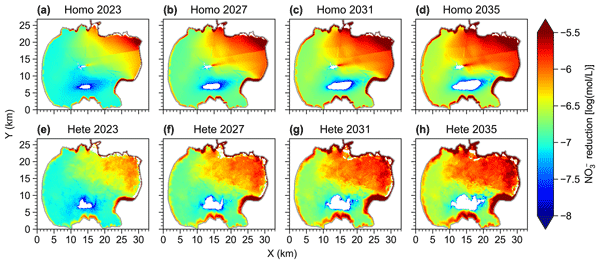
Long-term overuse of groundwater has lowered water levels and increased pollution in parts of northern China. We studied whether adding river water back into the ground can restore groundwater and reduce nitrate pollution. Using computer simulations based on field data, we found that recharge can significantly raise water levels and lower nitrate levels, mainly by dilution rather than natural removal processes.
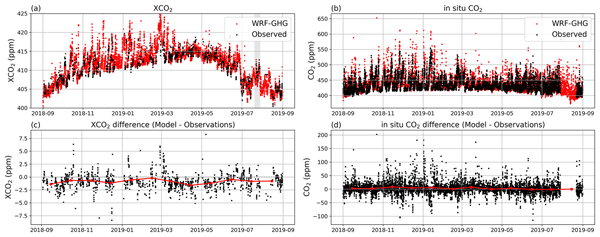
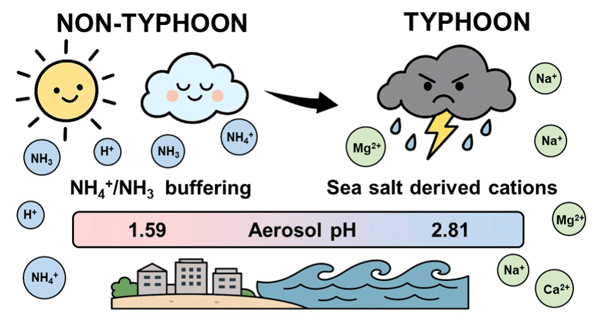
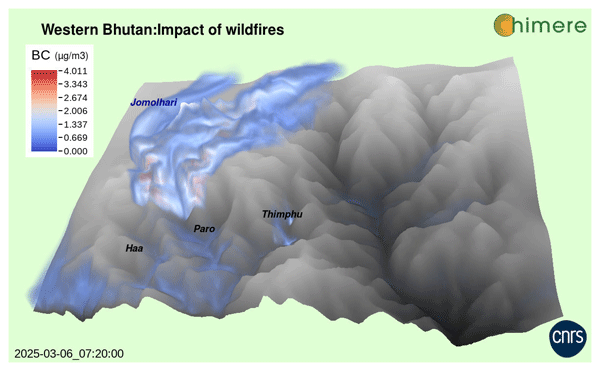
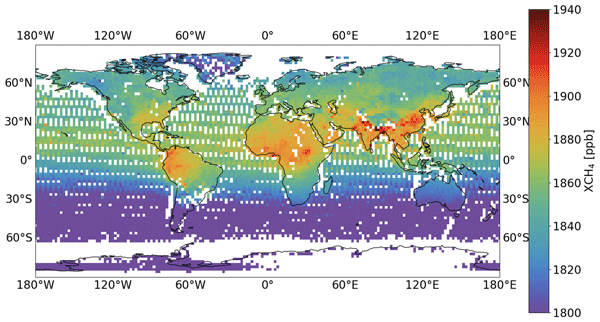
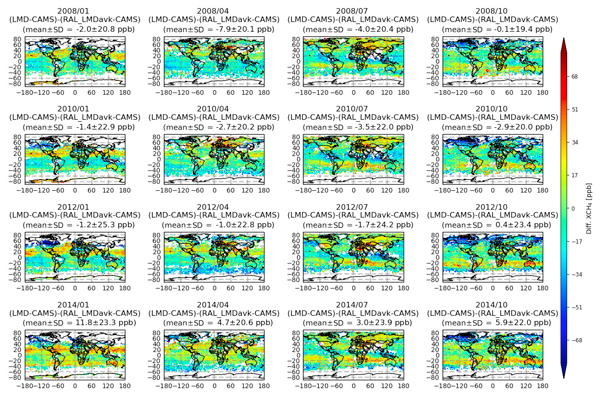
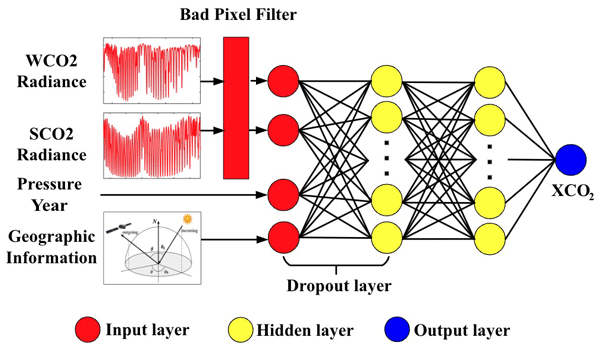
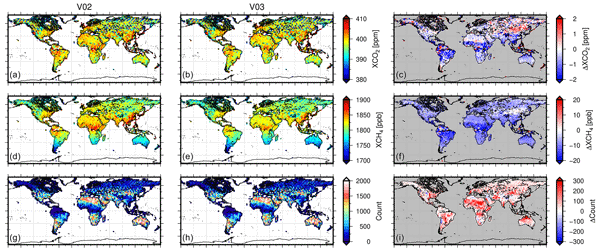
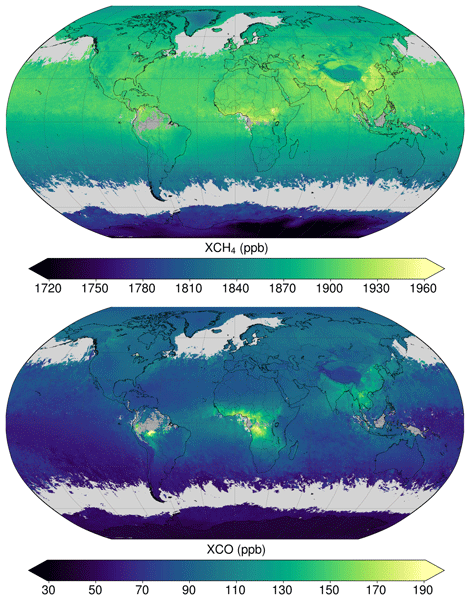
The Greenhouse Gases Observing Satellite-2 (GOSAT-2) is a satellite dedicated to measuring concentrations of greenhouse gases from space. Since its launch, the increase of CH4 and CO2 concentrations in the atmosphere is clear. The datasets obtained from GOSAT-2 are used in the Copernicus atmospheric services to monitor the climate, in light of the Paris Agreement. Here we present robust datasets of these gases from GOSAT-2, including a novel machine learning approach to data quality filtering.
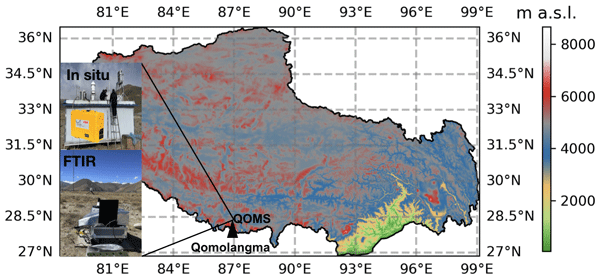
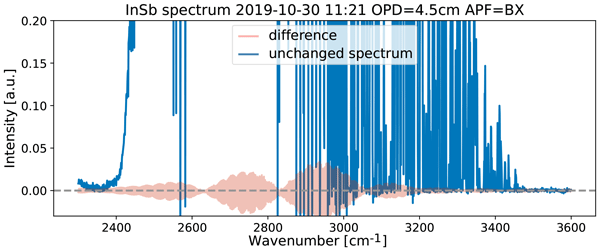
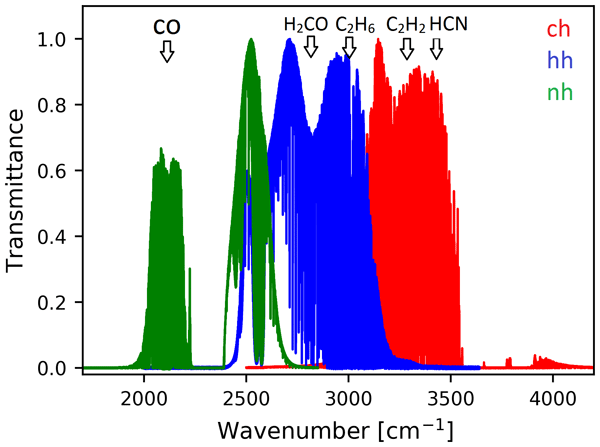
The Qinghai–Tibetan Plateau is a key system that impacts the global carbon balance. This study presents the greenhouse gas (GHG) mole fraction measurement campaign in May 2022 at Mt. Qomolangma station, including ground-based remote sensing and in situ measurements. The GHG measurements are carried out in this region for the first time and used for satellite validation.