Articles | Volume 26, issue 12
https://doi.org/10.5194/acp-26-9257-2026
© Author(s) 2026. This work is distributed under
the Creative Commons Attribution 4.0 License.
https://doi.org/10.5194/acp-26-9257-2026
© Author(s) 2026. This work is distributed under
the Creative Commons Attribution 4.0 License.
Investigating information transfer in CO2 flux inversions: an analysis of ensemble Kalman filter based on Monte Carlo simulations
Shidong Fan
Department of Ocean Science and Engineering, Southern University of Science and Technology, Shenzhen 518055, China
Center for the Oceanic and Atmospheric Science at SUSTech (COAST), Southern University of Science and Technology, Shenzhen 518055, China
Department of Ocean Science and Engineering, Southern University of Science and Technology, Shenzhen 518055, China
Center for the Oceanic and Atmospheric Science at SUSTech (COAST), Southern University of Science and Technology, Shenzhen 518055, China
Southern Marine Science and Engineering Guangdong Laboratory (Guangzhou), Guangzhou, 511458, China
Related authors
No articles found.
Yike Wang, Yueming Cheng, Boru Mai, Tie Dai, Xuejiao Deng, Tao Deng, Xiaoli Zhao, Yiwei Diao, Feng Xia, Miao Liang, Ying Li, and Yixiao Zhu
EGUsphere, https://doi.org/10.5194/egusphere-2025-6272, https://doi.org/10.5194/egusphere-2025-6272, 2025
Short summary
Short summary
We developed a carbon assimilation system to construct a near-real-time 4-km anthropogenic inventory in the Pearl River Delta. We analyze spatiotemporal emission distributions, compare the inversion inventories against statistical emissions, and elucidate their relationship with ambient CO2 concentrations. The results of this study provide a robust scientific basis for advancing the dynamic updating and quantitative evaluation of anthropogenic emissions across meso- to microscale domains.
Naveed Ahmad, Changqing Lin, Alexis K. H. Lau, Jhoon Kim, Tianshu Zhang, Fangqun Yu, Chengcai Li, Ying Li, Jimmy C. H. Fung, and Xiang Qian Lao
Atmos. Chem. Phys., 24, 9645–9665, https://doi.org/10.5194/acp-24-9645-2024, https://doi.org/10.5194/acp-24-9645-2024, 2024
Short summary
Short summary
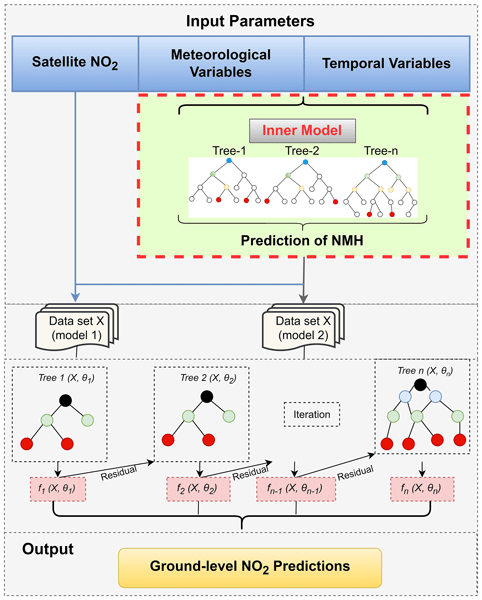
This study developed a nested machine learning model to convert the GEMS NO2 column measurements into ground-level concentrations across China. The model directly incorporates the NO2 mixing height (NMH) into the methodological framework. The study underscores the importance of considering NMH when estimating ground-level NO2 from satellite column measurements and highlights the significant advantages of new-generation geostationary satellites in air quality monitoring.
Weilun Zhao, Ying Li, Gang Zhao, Song Guo, Nan Ma, Shuya Hu, and Chunsheng Zhao
Atmos. Chem. Phys., 23, 14889–14902, https://doi.org/10.5194/acp-23-14889-2023, https://doi.org/10.5194/acp-23-14889-2023, 2023
Short summary
Short summary
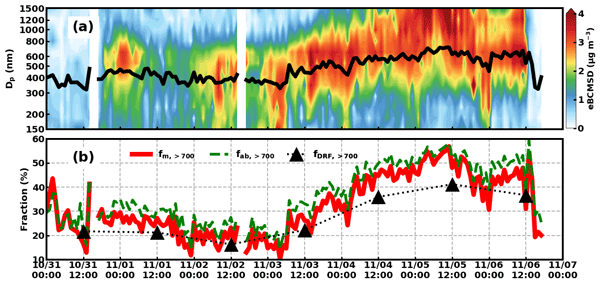
Studies have concentrated on particles containing black carbon (BC) smaller than 700 nm because of technical limitations. In this study, BC-containing particles larger than 700 nm (BC>700) were measured, highlighting their importance to total BC mass and absorption. The contribution of BC>700 to the BC direct radiative effect was estimated, highlighting the necessity to consider the whole size range of BC-containing particles in the model estimation of BC radiative effects.
Weilun Zhao, Gang Zhao, Ying Li, Song Guo, Nan Ma, Lizi Tang, Zirui Zhang, and Chunsheng Zhao
Atmos. Meas. Tech., 15, 6807–6817, https://doi.org/10.5194/amt-15-6807-2022, https://doi.org/10.5194/amt-15-6807-2022, 2022
Short summary
Short summary
A new method to determine black carbon mass size distribution (BCMSD) was proposed using the size-resolved absorption coefficient measured by an aerodynamic aerosol classifier in tandem with an aethalometer. This new method fills the gap in the high-time-resolution measurement of BCMSD ranging from upper submicron particle sizes to larger than 1 µm. This method can be applied to field measurement of BCMSD extensively for better understanding BC aging and better estimating the BC climate effect.
Shidong Fan and Ying Li
Atmos. Chem. Phys., 22, 7331–7351, https://doi.org/10.5194/acp-22-7331-2022, https://doi.org/10.5194/acp-22-7331-2022, 2022
Short summary
Short summary
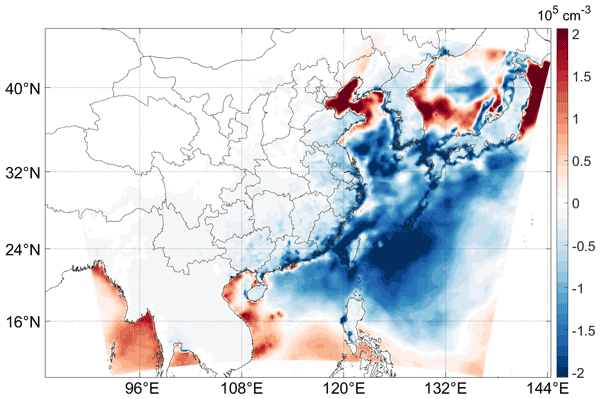
We investigated the mechanisms by which marine-emitted halogens influence the OH radical, which is not considered in air quality forecasting model systems. The atmospheric OH radical has a complicated response to halogen emissions by species through both physical and chemical processes. Over ocean, inorganic iodine is the controlling species and chemistry is more important. Over land, the physics of sea salt aerosols are more important. The mechanism is applicable to other circumstances.
Ying Li, Xiangjun Zhao, Xuejiao Deng, and Jinhui Gao
Atmos. Chem. Phys., 22, 3861–3873, https://doi.org/10.5194/acp-22-3861-2022, https://doi.org/10.5194/acp-22-3861-2022, 2022
Short summary
Short summary
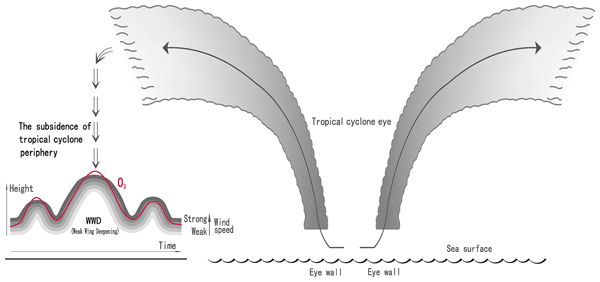
This study finds a new phenomenon of weak wind deepening (WWD) associated with the peripheral circulation of typhoon and gives the influence mechanism of WWD on its contribution to daily variation during sustained ozone episodes. The WWD provides the premise for pollution accumulation in the whole PBL and continued enhancement of ground-level ozone via vertical mixing processes. These findings could benefit the daily daytime ozone forecast in the PRD region and other areas.
Cited articles
Ahmadov, R., Gerbig, C., Kretschmer, R., Koerner, S., Neininger, B., Dolman, A. J., and Sarrat, C.: Mesoscale covariance of transport and CO2 fluxes: Evidence from observations and simulations using the WRF-VPRM coupled atmosphere-biosphere model, J. Geophys. Res.-Atmos., 112, https://doi.org/10.1029/2007jd008552, 2007.
Asch, M., Bocquet, M., and Nodet, M.: Data Assimilation: Methods, Algorithms, and Applications, Society for Industrial and Applied Mathematics, https://doi.org/10.1137/1.9781611974546, 2016.
Basu, S., Miller, J. B., and Lehman, S.: Separation of biospheric and fossil fuel fluxes of CO2 by atmospheric inversion of CO2 and 14CO2 measurements: Observation System Simulations, Atmos. Chem. Phys., 16, 5665–5683, https://doi.org/10.5194/acp-16-5665-2016, 2016.
Basu, S., Lehman, S. J., Miller, J. B., Andrews, A. E., Sweeney, C., Gurney, K. R., Xu, X., Southon, J., and Tans, P. P.: Estimating US fossil fuel CO2 emissions from measurements of C-14 in atmospheric CO2, P. Natl. Acad. Sci. USA, 117, 13300–13307, https://doi.org/10.1073/pnas.1919032117, 2020.
Beck, V., Koch, T., Kretschmer, R., Marshall, J., Ahmadov, R., Gerbig, C., Pillai, D., and Heimann, M.: The WRF Greenhouse Gas Model (WRF-GHG), Max-Planck-Institut für Biogeochemie, https://www.bgc-jena.mpg.de/5363366/tech_report25.pdf (last access: 23 June 2026), 2011.
Chandra, N., Patra, P. K., Niwa, Y., Ito, A., Iida, Y., Goto, D., Morimoto, S., Kondo, M., Takigawa, M., Hajima, T., and Watanabe, M.: Estimated regional CO2 flux and uncertainty based on an ensemble of atmospheric CO2 inversions, Atmos. Chem. Phys., 22, 9215–9243, https://doi.org/10.5194/acp-22-9215-2022, 2022.
Chen, H. W., Zhang, F., Lauvaux, T., Davis, K. J., Feng, S., Butler, M. P., and Alley, R. B.: Characterization of Regional-Scale CO2 Transport Uncertainties in an Ensemble with Flow-Dependent Transport Errors, Geophys. Res. Lett., 46, 4049–4058, https://doi.org/10.1029/2018GL081341, 2019.
Chen, H. W. W., Zhang, F., Lauvaux, T., Scholze, M., Davis, K. J. J., and Alley, R. B. B.: Regional CO2 Inversion Through Ensemble-Based Simultaneous State and Parameter Estimation: TRACE Framework and Controlled Experiments, J. Adv. Model. Earth Syst., 15, https://doi.org/10.1029/2022ms003208, 2023.
Chevallier, F.: Fluxes of Carbon Dioxide From Managed Ecosystems Estimated by National Inventories Compared to Atmospheric Inverse Modeling, Geophys. Res. Lett., 48, https://doi.org/10.1029/2021gl093565, 2021.
Chevallier, F., Fisher, M., Peylin, P., Serrar, S., Bousquet, P., Breon, F. M., Chedin, A., and Ciais, P.: Inferring CO2 sources and sinks from satellite observations: Method and application to TOVS data, J. Geophys. Res.-Atmos., 110, https://doi.org/10.1029/2005jd006390, 2005.
Chevallier, F., Breon, F.-M., and Rayner, P. J.: Contribution of the Orbiting Carbon Observatory to the estimation of CO2 sources and sinks: Theoretical study in a variational data assimilation framework, J. Geophys. Res.-Atmos., 112, https://doi.org/10.1029/2006jd007375, 2007.
Chevallier, F., Wang, T., Ciais, P., Maignan, F., Bocquet, M., Arain, M. A., Cescatti, A., Chen, J., Dolman, A. J., Law, B. E., Margolis, H. A., Montagnani, L., and Moors, E. J.: What eddy-covariance measurements tell us about prior land flux errors in CO2-flux inversion schemes, Global Biogeochem. Cy., 26, https://doi.org/10.1029/2010gb003974, 2012.
Crippa, M., Solazzo, E., Huang, G., Guizzardi, D., Koffi, E., Muntean, M., Schieberle, C., Friedrich, R., and Janssens-Maenhout, G.: High resolution temporal profiles in the Emissions Database for Global Atmospheric Research, Sci. Data, 7, https://doi.org/10.1038/s41597-020-0462-2, 2020.
Dong, X., Yue, M., Jiang, Y., Hu, X.-M., Ma, Q., Pu, J., and Zhou, G.: Analysis of CO2 spatio-temporal variations in China using a weather–biosphere online coupled model, Atmos. Chem. Phys., 21, 7217–7233, https://doi.org/10.5194/acp-21-7217-2021, 2021.
Evensen, G., Vossepoel, F. C., and Van Leeuwen, P. J.: Data Assimilation Fundamentals: A Unified Formulation of the State and Parameter Estimation Problem, Springer International Publishing, Cham, https://doi.org/10.1007/978-3-030-96709-3, 2022.
Fan, S. and Li, Y.: The impacts of marine-emitted halogens on OH radicals in East Asia during summer, Atmos. Chem. Phys., 22, 7331–7351, https://doi.org/10.5194/acp-22-7331-2022, 2022.
Fan, S. and Li, Y.: Potential deterioration of ozone pollution in coastal areas caused by marine-emitted halogens: A case study in the Guangdong-Hong Kong-Macao Greater Bay Area, Sci. Total Environ., 860, 160456, https://doi.org/10.1016/j.scitotenv.2022.160456, 2023.
Fan, S., Li, Y., and Liu, C.: Are Environmentally Friendly Fireworks Really “Green” for Air Quality? A Study from the 2019 National Day Fireworks Display in Shenzhen, Environ. Sci. Technol., 55, 3520–3529, https://doi.org/10.1021/acs.est.0c03521, 2021.
Fay, A. R., Gregor, L., Landschützer, P., McKinley, G. A., Gruber, N., Gehlen, M., Iida, Y., Laruelle, G. G., Rödenbeck, C., Roobaert, A., and Zeng, J.: SeaFlux: harmonization of air–sea CO2 fluxes from surface pCO2 data products using a standardized approach, Earth Syst. Sci. Data, 13, 4693–4710, https://doi.org/10.5194/essd-13-4693-2021, 2021.
Fisher, M.: Minimization algorithms for variational data assimilation, in: Seminar on Recent Developments in Numerical Methods for Atmospheric Modelling, 7–11 September 1998, https://www.ecmwf.int/en/elibrary/74480-minimization-algorithms-variational-data-assimilation (last access: 23 June 2026), 1998.
Gao, J., Li, Y., Xie, Z., Hu, B., Wang, L., Bao, F., and Fan, S.: The impact of the aerosol reduction on the worsening ozone pollution over the Beijing-Tianjin-Hebei region via influencing photolysis rates, Sci. Total Environ., 821, https://doi.org/10.1016/j.scitotenv.2022.153197, 2022.
Gaspari, G. and Cohn, S. E.: Construction of correlation functions in two and three dimensions, Q. J. Roy. Meteorol. Soc., 125, 723–757, https://doi.org/10.1002/qj.49712555417, 1999.
Global Atmosphere Watch Station Information System: Locations of Observation Sites, https://gawsis.meteoswiss.ch/GAWSIS/#/, last access: 28 April 2024.
Gourdji, S. M., Karion, A., Lopez-Coto, I., Ghosh, S., Mueller, K. L., Zhou, Y., Williams, C. A., Baker, I. T., Haynes, K. D., and Whetstone, J. R.: A Modified Vegetation Photosynthesis and Respiration Model (VPRM) for the Eastern USA and Canada, Evaluated With Comparison to Atmospheric Observations and Other Biospheric Models, J. Geophys. Res.-Biogeosci., 127, https://doi.org/10.1029/2021jg006290, 2022.
Houtekamer, P. L. and Mitchell, H. L.: A Sequential Ensemble Kalman Filter for Atmospheric Data Assimilation, Mon. Weather Rev., 129, 123–137, https://doi.org/10.1175/1520-0493(2001)129<0123:ASEKFF>2.0.CO;2, 2001.
IPCC AR6: Climate Change 2021: The Physical Science Basis. Contribution of Working Group I to the Sixth Assessment Report of the Intergovernmental Panel on Climate Change, https://doi.org/10.1017/9781009157896, 2021.
Jacobson, A. R., Schuldt, K. N., Tans, P., Andrews, A., Miller, J. B., Oda, T., Basu, S., Mund, J., Weir, B., Ott, L., Aalto, T., Abshire, J. B., Aikin, K., Aoki, S., Apadula, F., Arnold, S., Baier, B., Bartyzel, J., Beyersdorf, A., Biermann, T., Biraud, S. C., Boenisch, H., Brailsford, G., Brand, W. A., Chen, G., Chen, H., Chmura, L., Clark, S., Colomb, A., Commane, R., Conil, S., Couret, C., Cox, A., Cristofanelli, P., Cuevas, E., Curcoll, R., Daube, B., Davis, K. J., De Wekker, S., Della Coletta, J., and et al.: CarbonTracker CT2022, https://doi.org/10.25925/z1gj-3254, 2023.
Janssens-Maenhout, G., Crippa, M., Guizzardi, D., Muntean, M., Schaaf, E., Dentener, F., Bergamaschi, P., Pagliari, V., Olivier, J. G. J., Peters, J. A. H. W., van Aardenne, J. A., Monni, S., Doering, U., Petrescu, A. M. R., Solazzo, E., and Oreggioni, G. D.: EDGAR v4.3.2 Global Atlas of the three major greenhouse gas emissions for the period 1970–2012, Earth Syst. Sci. Data, 11, 959–1002, https://doi.org/10.5194/essd-11-959-2019, 2019.
Jin, Z., Wang, T., Zhang, H., Wang, Y., Ding, J., and Tian, X.: Constraint of satellite CO2 retrieval on the global carbon cycle from a Chinese atmospheric inversion system, Sci. China-Earth Sci., 66, 609–618, https://doi.org/10.1007/s11430-022-1036-7, 2023.
Kountouris, P., Gerbig, C., Rödenbeck, C., Karstens, U., Koch, T. F., and Heimann, M.: Atmospheric CO2 inversions on the mesoscale using data-driven prior uncertainties: quantification of the European terrestrial CO2 fluxes, Atmos. Chem. Phys., 18, 3047–3064, https://doi.org/10.5194/acp-18-3047-2018, 2018.
Kurosawa, K. and Poterjoy, J.: Data Assimilation Challenges Posed by Nonlinear Operators: A Comparative Study of Ensemble and Variational Filters and Smoothers, https://doi.org/10.1175/MWR-D-20-0368.1, 2021.
Lauvaux, T., Schuh, A. E., Bocquet, M., Wu, L., Richardson, S., Miles, N., and Davis, K. J.: Network design for mesoscale inversions of CO2 sources and sinks, Tellus B: Chem. Phys. Meteorol., 64, 17980, https://doi.org/10.3402/tellusb.v64i0.17980, 2012.
Li, J. and Li, Y.: Ozone deterioration over North China plain caused by light absorption of black carbon and organic carbon, Atmos. Environ., 313, 120048, https://doi.org/10.1016/j.atmosenv.2023.120048, 2023.
Li, X., Hu, X.-M., Cai, C., Jia, Q., Zhang, Y., Liu, J., Xue, M., Xu, J., Wen, R., and Crowell, S. M. R.: Terrestrial CO2 Fluxes, Concentrations, Sources and Budget in Northeast China: Observational and Modeling Studies, J. Geophys. Res.-Atmos., 125, https://doi.org/10.1029/2019jd031686, 2020.
Liu, J., Bowman, K. W., and Henze, D. K.: Source-receptor relationships of column-average CO2 and implications for the impact of observations on flux inversions, J. Geophys. Res.-Atmos., 120, 5214–5236, https://doi.org/10.1002/2014JD022914, 2015.
Liu, J., Bowman, K. W., and Lee, M.: Comparison between the Local Ensemble Transform Kalman Filter (LETKF) and 4D-Var in atmospheric CO2 flux inversion with the Goddard Earth Observing System-Chem model and the observation impact diagnostics from the LETKF, J. Geophys. Res.-Atmos., 121, 13066–13087, https://doi.org/10.1002/2016jd025100, 2016.
Ma, C., Wang, T., Mizzi, A. P., Anderson, J. L., Zhuang, B., Xie, M., and Wu, R.: Multiconstituent Data Assimilation With WRF-Chem/DART: Potential for Adjusting Anthropogenic Emissions and Improving Air Quality Forecasts Over Eastern China, J. Geophys. Res.-Atmos., 124, 7393–7412, https://doi.org/10.1029/2019jd030421, 2019.
Mahadevan, P., Wofsy, S. C., Matross, D. M., Xiao, X., Dunn, A. L., Lin, J. C., Gerbig, C., Munger, J. W., Chow, V. Y., and Gottlieb, E. W.: A satellite-based biosphere parameterization for net ecosystem CO2 exchange: Vegetation Photosynthesis and Respiration Model (VPRM), Global Biogeochem. Cy., 22, https://doi.org/10.1029/2006gb002735, 2008.
Miyoshi, T., Kondo, K., and Imamura, T.: The 10,240-member ensemble Kalman filtering with an intermediate AGCM, Geophys. Res. Lett., 41, 5264–5271, https://doi.org/10.1002/2014gl060863, 2014.
Monteil, G., Broquet, G., Scholze, M., Lang, M., Karstens, U., Gerbig, C., Koch, F.-T., Smith, N. E., Thompson, R. L., Luijkx, I. T., White, E., Meesters, A., Ciais, P., Ganesan, A. L., Manning, A., Mischurow, M., Peters, W., Peylin, P., Tarniewicz, J., Rigby, M., Rödenbeck, C., Vermeulen, A., and Walton, E. M.: The regional European atmospheric transport inversion comparison, EUROCOM: first results on European-wide terrestrial carbon fluxes for the period 2006–2015, Atmos. Chem. Phys., 20, 12063–12091, https://doi.org/10.5194/acp-20-12063-2020, 2020.
Müller, S., Schüler, L., Zech, A., and Heße, F.: GSTools v1.3: a toolbox for geostatistical modelling in Python, Geosci. Model Dev., 15, 3161–3182, https://doi.org/10.5194/gmd-15-3161-2022, 2022.
Munassar, S., Monteil, G., Scholze, M., Karstens, U., Rödenbeck, C., Koch, F.-T., Totsche, K. U., and Gerbig, C.: Why do inverse models disagree? A case study with two European CO2 inversions, Atmos. Chem. Phys., 23, 2813–2828, https://doi.org/10.5194/acp-23-2813-2023, 2023.
Niwa, Y., Tomita, H., Satoh, M., Imasu, R., Sawa, Y., Tsuboi, K., Matsueda, H., Machida, T., Sasakawa, M., Belan, B., and Saigusa, N.: A 4D-Var inversion system based on the icosahedral grid model (NICAM-TM 4D-Var v1.0) – Part 1: Offline forward and adjoint transport models, Geosci. Model Dev., 10, 1157–1174, https://doi.org/10.5194/gmd-10-1157-2017, 2017a.
Niwa, Y., Fujii, Y., Sawa, Y., Iida, Y., Ito, A., Satoh, M., Imasu, R., Tsuboi, K., Matsueda, H., and Saigusa, N.: A 4D-Var inversion system based on the icosahedral grid model (NICAM-TM 4D-Var v1.0) – Part 2: Optimization scheme and identical twin experiment of atmospheric CO2 inversion, Geosci. Model Dev., 10, 2201–2219, https://doi.org/10.5194/gmd-10-2201-2017, 2017b.
Niwa, Y., Ishijima, K., Ito, A., and Iida, Y.: Toward a long-term atmospheric CO2 inversion for elucidating natural carbon fluxes: technical notes of NISMON-CO2 v2021.1, Prog. Earth Planet. Sci., 9, https://doi.org/10.1186/s40645-022-00502-6, 2022.
OCO-2/OCO-3 Science Team, Payne, V., and Chatterjee, A.: OCO-2 Level 2 bias-corrected XCO2 and other select fields from the full-physics retrieval aggregated as daily files v11.0, Goddard Earth Sciences Data and Information Services Center (GES DISC) [data set], https://doi.org/10.5067/5Q8JLZL1VD4A, 2024.
Piao, S., He, Y., Wang, X., and Chen, F.: Estimation of China's terrestrial ecosystem carbon sink: Methods, progress and prospects, Sci. China Earth Sci., 65, 641–651, https://doi.org/10.1007/s11430-021-9892-6, 2022.
Pleim, J. E.: A Combined Local and Nonlocal Closure Model for the Atmospheric Boundary Layer. Part I: Model Description and Testing, J. Appl. Meteorol. Climatol., https://doi.org/10.1175/JAM2539.1, 2007.
Raju, A., Sijikumar, S., Burman, P. K. D., Valsala, V., Tiwari, Y. K., Mukherjee, S., Lohani, P., and Kumar, K.: Very high-resolution Net Ecosystem Exchange over India using Vegetation Photosynthesis and Respiration Model (VPRM) simulations, Ecol. Modell., 481, https://doi.org/10.1016/j.ecolmodel.2023.110340, 2023.
Rao, C. R.: Some Statistical Problems in Multitarget Tracking, in: Statistical Decision Theory and Related Topics V, 513–521, https://doi.org/10.1007/978-1-4612-2618-5_40, 1994.
Schuh, A. E., Byrne, B., Jacobson, A. R., Crowell, S. M. R., Deng, F., Baker, D. F., Johnson, M. S., Philip, S., and Weir, B.: On the role of atmospheric model transport uncertainty in estimating the Chinese land carbon sink, Nature, 603, E13–E14, https://doi.org/10.1038/s41586-021-04258-9, 2022.
Sengupta, D. and Jammalamadaka, S. R.: Linear models and regression with R: an integrated approach, second, World Scientific, https://doi.org/10.1142/11282, 2020.
Sotos, A. E. C., Vanhoof, S., Noortgate, W. V. D., and Onghena, P.: The transitivity misconception of Pearson's correlation coefficient, Stat. Educ. Res. J., 8, 33–55, https://doi.org/10.52041/serj.v8i2.394, 2009.
Storm, I., Karstens, U., D'Onofrio, C., Vermeulen, A., and Peters, W.: A view of the European carbon flux landscape through the lens of the ICOS atmospheric observation network, Atmos. Chem. Phys., 23, 4993–5008, https://doi.org/10.5194/acp-23-4993-2023, 2023.
Super, I., Denier van der Gon, H. A. C., van der Molen, M. K., Dellaert, S. N. C., and Peters, W.: Optimizing a dynamic fossil fuel CO2 emission model with CTDAS (CarbonTracker Data Assimilation Shell, v1.0) for an urban area using atmospheric observations of CO2, CO, NOx, and SO2, Geosci. Model Dev., 13, 2695–2721, https://doi.org/10.5194/gmd-13-2695-2020, 2020.
Tanizaki, H.: Nonlinear Filters, Springer, Berlin, Heidelberg, https://doi.org/10.1007/978-3-662-03223-7, 1996.
van der Laan-Luijkx, I. T., van der Velde, I. R., van der Veen, E., Tsuruta, A., Stanislawska, K., Babenhauserheide, A., Zhang, H. F., Liu, Y., He, W., Chen, H., Masarie, K. A., Krol, M. C., and Peters, W.: The CarbonTracker Data Assimilation Shell (CTDAS) v1.0: implementation and global carbon balance 2001–2015, Geosci. Model Dev., 10, 2785–2800, https://doi.org/10.5194/gmd-10-2785-2017, 2017.
Wang, J., Feng, L., Palmer, P. I., Liu, Y., Fang, S., Bosch, H., O'Dell, C. W., Tang, X., Yang, D., Liu, L., and Xia, C.: Large Chinese land carbon sink estimated from atmospheric carbon dioxide data, Nature, 586, 720-+, https://doi.org/10.1038/s41586-020-2849-9, 2020.
Wang, S., Cohen, J. B., Guan, L., Lu, L., Tiwari, P., and Qin, K.: Observationally constrained global NOx and CO emissions variability reveals sources which contribute significantly to CO−2 emissions, npj Clim. Atmos. Sci., 8, 87, https://doi.org/10.1038/s41612-025-00977-2, 2025.
Wang, Y., Wang, X., Wang, K., Chevallier, F., Zhu, D., Lian, J., He, Y., Tian, H., Li, J., Zhu, J., Jeong, S., and Canadell, J. G.: The size of the land carbon sink in China, Nature, 603, E7–E9, https://doi.org/10.1038/s41586-021-04255-y, 2022.
Wanninkhof, R.: Relationship between wind speed and gas exchange over the ocean revisited, Limnol. Oceanogr.-Methods, 12, 351–362, https://doi.org/10.4319/lom.2014.12.351, 2014.
Wesloh, D., Keller, K., Feng, S., Lauvaux, T., and Davis, K. J.: Temporal Error Correlations in a Terrestrial Carbon Cycle Model Derived by Comparison to Carbon Dioxide Eddy Covariance Flux Tower Measurements, J. Geophys. Res.-Biogeosci., 129, e2023JG007526, https://doi.org/10.1029/2023JG007526, 2024.
World Data Centre for Greenhouse Gases: Global Atmosphere Watch (GAW) program data portal, https://gaw.kishou.go.jp/user, last access: 4 September 2025.
Wu, L., Bocquet, M., Chevallier, F., Lauvaux, T., and Davis, K.: Hyperparameter estimation for uncertainty quantification in mesoscale carbon dioxide inversions, Tellus B: Chem. Phys. Meteorol., 65, 20894, https://doi.org/10.3402/tellusb.v65i0.20894, 2013.
Zhao, S., Russell, M. G., Hakami, A., Capps, S. L., Turner, M. D., Henze, D. K., Percell, P. B., Resler, J., Shen, H., Russell, A. G., Nenes, A., Pappin, A. J., Napelenok, S. L., Bash, J. O., Fahey, K. M., Carmichael, G. R., Stanier, C. O., and Chai, T.: A multiphase CMAQ version 5.0 adjoint, Geosci. Model Dev., 13, 2925–2944, https://doi.org/10.5194/gmd-13-2925-2020, 2020.
Short summary
Atmospheric CO2 inversions infer surface fluxes from concentration measurements, yet results vary widely across systems. Using ensemble simulations as well as variational theory, this study shows that the assumed spatial and temporal correlations of surface fluxes largely determine how observational information propagates. Transport shapes patterns, but prior correlations control scale and strength, explaining signal amplification, dilution, and flux misattribution.
Atmospheric CO2 inversions infer surface fluxes from concentration measurements, yet results...
Altmetrics
Final-revised paper
Preprint