
Articles | Volume 26, issue 3
https://doi.org/10.5194/acp-26-2275-2026
© Author(s) 2026. This work is distributed under
the Creative Commons Attribution 4.0 License.
the Creative Commons Attribution 4.0 License.
https://doi.org/10.5194/acp-26-2275-2026
© Author(s) 2026. This work is distributed under
the Creative Commons Attribution 4.0 License.
the Creative Commons Attribution 4.0 License.
Research article
| 
12 Feb 2026
Research article |
| 12 Feb 2026
| 12 Feb 2026
Quantitative assessment of supercooled liquid water sensitivity to different aerosol field inputs over the Sichuan Basin
Min Yuan
CORRESPONDING AUTHOR

College of Aviation Meteorology, Civil Aviation Flight University of China, Chengdu, China
China Meteorological Administration Key Laboratory for Aviation Meteorology, Chengdu, China
Di Wang
College of Aviation Meteorology, Civil Aviation Flight University of China, Chengdu, China
Weijia Wang
Weather Modification Office of Sichuan Province, Chengdu, China
Lei Yin
School of Internet of Things, Nanjing University of Posts and Telecommunications, Nanjing, China
Xiaobo Dong
Key Laboratory of Meteorology and Ecological Environment of Hebei Province, Shijiazhuang, China
Weather Modification Center of Hebei Province, Shijiazhuang, China
Delong Zhao
Weather Modification Center, China Meteorological Administration, Beijing, China
Fan Ping
Institute of Atmospheric Physics, Chinese Academy of Sciences, Beijing, China
Related authors
No articles found.
Yuyan Long, Delong Zhao, Yun Zhang, Dantong Liu, Jing Duan, and Mengyu Huang
EGUsphere, https://doi.org/10.5194/egusphere-2026-4431, https://doi.org/10.5194/egusphere-2026-4431, 2026
Short summary
Short summary
Convective clouds exhibited high ice concentrations over the Tibetan Plateau. We use aircraft data to study extra ice formation. Multiple natural processes generate extra ice across a wider range than traditional theories suggest. The presence of supercooled droplets is essential, but their size, rather than their number alone, determines whether multiplication begins. Temperature and the amounts of other cloud particles control ice enhancement intensity.
Meilian Chen, Xiaoqin Jing, Jiaojiao Li, Jing Yang, Xiaobo Dong, Bart Geerts, Yan Yin, Baojun Chen, Lulin Xue, Mengyu Huang, Ping Tian, and Shaofeng Hua
Atmos. Chem. Phys., 25, 7581–7596, https://doi.org/10.5194/acp-25-7581-2025, https://doi.org/10.5194/acp-25-7581-2025, 2025
Short summary
Short summary
Several recent studies have reported complete cloud glaciation induced by airborne-based glaciogenic cloud seeding over plains. Since turbulence is an important factor to maintain clouds in a mixed phase, it is hypothesized that turbulence may have an impact on the seeding effect. This hypothesis is evident in the present study, which shows that turbulence can accelerate the impact of airborne glaciogenic seeding of stratiform clouds.
Yanrong Yang, Yuheng Zhang, Tianran Han, Conghui Xie, Yayong Liu, Yufei Huang, Jietao Zhou, Haijiong Sun, Delong Zhao, Kui Zhang, and Shao-Meng Li
Atmos. Meas. Tech., 18, 3035–3050, https://doi.org/10.5194/amt-18-3035-2025, https://doi.org/10.5194/amt-18-3035-2025, 2025
Short summary
Short summary
A wind speed correction algorithm for multirotor unoccupied aerial vehicles (UAVs) was developed using computational fluid dynamics (CFD). An integrated compensation algorithm was designed to account for the effects of UAV motion, attitude changes, and rotor-induced airflow on wind speed measurements. Comparative experimental results confirmed the effectiveness of the proposed compensation algorithm.
Kang Hu, Hong Liao, Dantong Liu, Jianbing Jin, Lei Chen, Siyuan Li, Yangzhou Wu, Changhao Wu, Shitong Zhao, Xiaotong Jiang, Ping Tian, Kai Bi, Ye Wang, and Delong Zhao
Geosci. Model Dev., 18, 3623–3634, https://doi.org/10.5194/gmd-18-3623-2025, https://doi.org/10.5194/gmd-18-3623-2025, 2025
Short summary
Short summary
This study combines machine learning with concentration-weighted trajectory analysis to quantify regional transport PM2.5. From 2013–2020, local emissions dominated Beijing's pollution events. The Air Pollution Prevention and Control Action Plan reduced regional transport pollution, but the eastern region showed the smallest decrease. Beijing should prioritize local emission reduction while considering the east region's contributions in future strategies.
Sihan Liu, Honglei Wang, Delong Zhao, Wei Zhou, Yuanmou Du, Zhengguo Zhang, Peng Cheng, Tianliang Zhao, Yue Ke, Zihao Wu, and Mengyu Huang
Atmos. Chem. Phys., 25, 4151–4165, https://doi.org/10.5194/acp-25-4151-2025, https://doi.org/10.5194/acp-25-4151-2025, 2025
Short summary
Short summary
To understand the effect of aerosols on the vertical distribution of stratocumulus microphysical quantities in southwest China, the daily variation characteristics and formation mechanism of the vertical profiles of stratocumulus microphysical characteristics in this region were described using the data of nine cloud-crossing aircraft observations over Guangxi from 10 October to 3 November 2020.
Jing Yang, Jiaojiao Li, Meilian Chen, Xiaoqin Jing, Yan Yin, Bart Geerts, Zhien Wang, Yubao Liu, Baojun Chen, Shaofeng Hua, Hao Hu, Xiaobo Dong, Ping Tian, Qian Chen, and Yang Gao
Atmos. Chem. Phys., 24, 13833–13848, https://doi.org/10.5194/acp-24-13833-2024, https://doi.org/10.5194/acp-24-13833-2024, 2024
Short summary
Short summary
Detecting unambiguous signatures is vital for examining cloud-seeding impacts, but often, seeding signatures are immersed in natural variability. In this study, reflectivity changes induced by glaciogenic seeding using different AgI concentrations are investigated under various conditions, and a method is developed to estimate the AgI concentration needed to detect unambiguous seeding signatures. The results aid in operational seeding-based decision-making regarding the amount of AgI dispersed.
Chenxi Wang, Zheng Jin, Yang Liu, Mengxin Bai, Weijia Wang, Yingzhuo Yu, and Liantang Deng
EGUsphere, https://doi.org/10.5194/egusphere-2024-3180, https://doi.org/10.5194/egusphere-2024-3180, 2024
Preprint archived
Short summary
Short summary
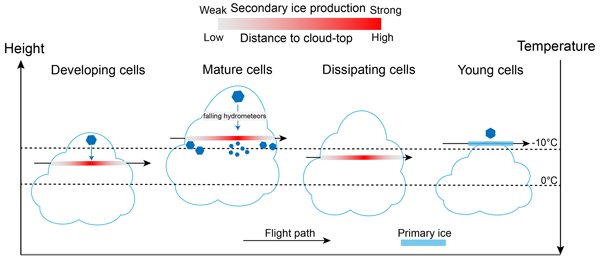
Using near surface atmospheric pollutant reanalysis and remote sensing measurements, a dipole-like spatial pattern of near surface ozone trap across two megacities of the Sichuan Basin is demonstrated during 2013–2019. Unexpectedly, Chongqing has the deeper ozone trap compared to Chengdu despite its lower urbanization level. Results showed the ozone trap pattern aligns more closely with meteorological condition rather than chemical condition.
Yuanmou Du, Dantong Liu, Delong Zhao, Mengyu Huang, Ping Tian, Dian Wen, Wei Xiao, Wei Zhou, Hui He, Baiwan Pan, Dongfei Zuo, Xiange Liu, Yingying Jing, Rong Zhang, Jiujiang Sheng, Fei Wang, Yu Huang, Yunbo Chen, and Deping Ding
Atmos. Chem. Phys., 24, 13429–13444, https://doi.org/10.5194/acp-24-13429-2024, https://doi.org/10.5194/acp-24-13429-2024, 2024
Short summary
Short summary
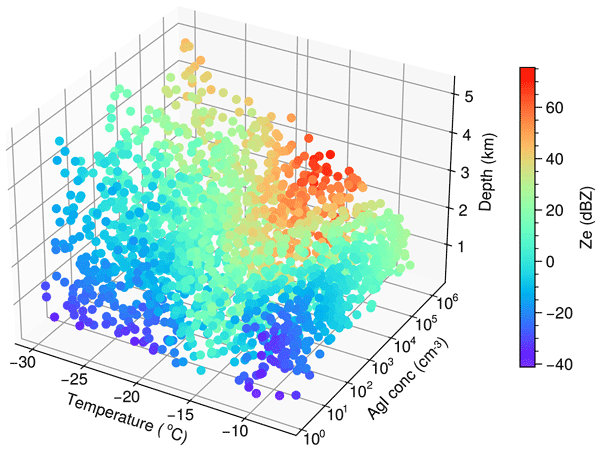
By conducting in situ measurements, we investigated ice production processes in stratiform clouds with embedded convection over the North China Plain. The results show that the ice number concentration is strongly related to the distance to the cloud top, and the level with a larger distance to the cloud top has more graupel falling from upper levels, which promotes collision and coalescence between graupel and droplets and enhances secondary ice production.
Yanrong Yang, Yuheng Zhang, Tianran Han, Conghui Xie, Yayong Liu, Yufei Huang, Jietao Zhou, Haijiong Sun, Delong Zhao, Kui Zhang, and Shao-Meng Li
Atmos. Meas. Tech. Discuss., https://doi.org/10.5194/amt-2023-248, https://doi.org/10.5194/amt-2023-248, 2024
Preprint withdrawn
Short summary
Short summary
The paper introduces a correction algorithm for accurate wind speed measurement in a multirotor unmanned aerial vehicle (UAV) with a sonic anemometer. Addressing propeller rotation, UAV movement, and attitude changes, it integrates computational fluid dynamics simulation and regression analysis. This comprehensive algorithm corrects rotor disturbances, motion, and attitude variations. Validation against meteorological tower data demonstrates its enhanced reliability in wind speed measurements.
Siyuan Li, Dantong Liu, Shaofei Kong, Yangzhou Wu, Kang Hu, Huang Zheng, Yi Cheng, Shurui Zheng, Xiaotong Jiang, Shuo Ding, Dawei Hu, Quan Liu, Ping Tian, Delong Zhao, and Jiujiang Sheng
Atmos. Chem. Phys., 22, 6937–6951, https://doi.org/10.5194/acp-22-6937-2022, https://doi.org/10.5194/acp-22-6937-2022, 2022
Short summary
Short summary
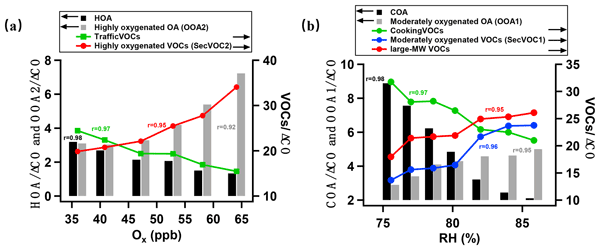
The understanding of secondary organic aerosols is hindered by the aerosol–gas evolution by different oxidation mechanisms. By concurrently measuring detailed mass spectra of aerosol and gas phases in a megacity online, we identified the primary and secondary source sectors and investigated the transformation between gas and aerosol phases influenced by photooxidation and moisture. The results will help us to understand the respective evolution of major sources in a typical urban environment.
Hengqi Wang, Yiran Peng, Knut von Salzen, Yan Yang, Wei Zhou, and Delong Zhao
Geosci. Model Dev., 15, 2949–2971, https://doi.org/10.5194/gmd-15-2949-2022, https://doi.org/10.5194/gmd-15-2949-2022, 2022
Short summary
Short summary
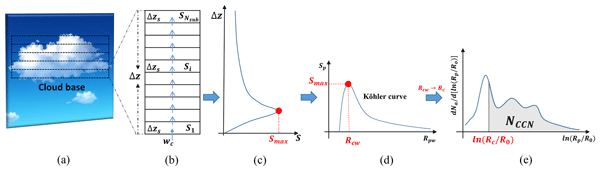
The aerosol activation scheme is an important part of the general circulation model, but evaluations using observed data are mostly regional. This research introduced a numerically efficient aerosol activation scheme and evaluated it by using stratus and stratocumulus cloud data sampled during multiple aircraft campaigns in Canada, Chile, Brazil, and China. The decent performance indicates that the scheme is suitable for simulations of cloud droplet number concentrations over wide conditions.
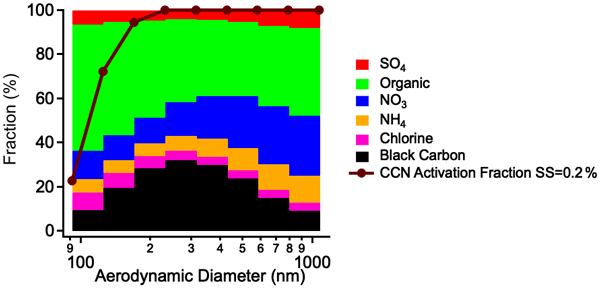
Chenjie Yu, Dantong Liu, Kang Hu, Ping Tian, Yangzhou Wu, Delong Zhao, Huihui Wu, Dawei Hu, Wenbo Guo, Qiang Li, Mengyu Huang, Deping Ding, and James D. Allan
Atmos. Chem. Phys., 22, 4375–4391, https://doi.org/10.5194/acp-22-4375-2022, https://doi.org/10.5194/acp-22-4375-2022, 2022
Short summary
Short summary
In this study, we applied a new technique to investigate the aerosol properties on both a mass and number basis and CCN abilities in Beijing suburban regions. The size-resolved aerosol chemical compositions and CCN activation measurement enable a detailed analysis of BC-containing particle hygroscopicity and its size-dependent contribution to the CCN activation. The results presented in this study will affect future models and human health studies.
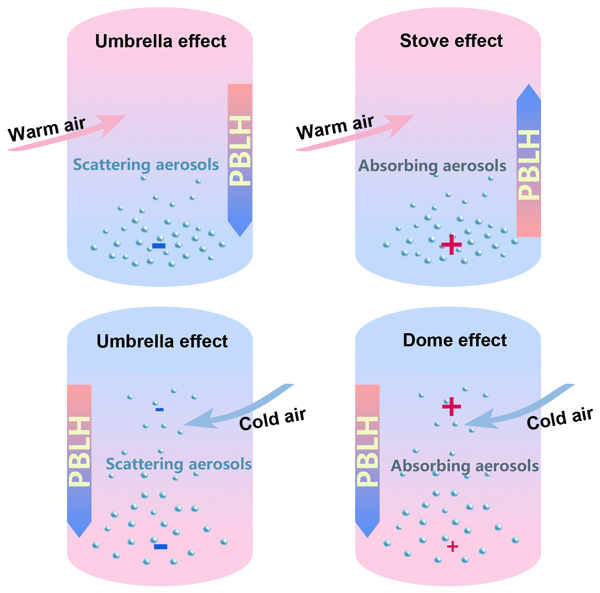
Hao Luo, Li Dong, Yichen Chen, Yuefeng Zhao, Delong Zhao, Mengyu Huang, Deping Ding, Jiayuan Liao, Tian Ma, Maohai Hu, and Yong Han
Atmos. Chem. Phys., 22, 2507–2524, https://doi.org/10.5194/acp-22-2507-2022, https://doi.org/10.5194/acp-22-2507-2022, 2022
Short summary
Short summary
Aerosol–planetary boundary layer (PBL) interaction is a key mechanism for stabilizing the atmosphere and exacerbating surface air pollution. Using aircraft measurements and WRF-Chem simulations, we find that the aerosol–PBL interaction of different aerosols under contrasting synoptic patterns, PBL structures, and aerosol vertical distributions vary significantly. We attempt to determine which pollutants to target in different synoptic conditions to attain more precise air pollution control.
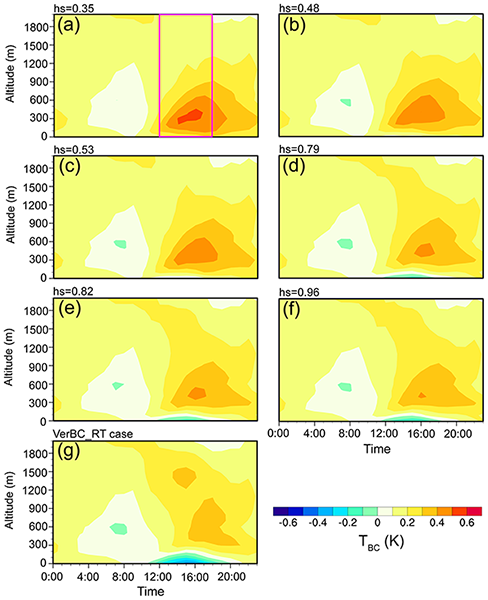
Donglin Chen, Hong Liao, Yang Yang, Lei Chen, Delong Zhao, and Deping Ding
Atmos. Chem. Phys., 22, 1825–1844, https://doi.org/10.5194/acp-22-1825-2022, https://doi.org/10.5194/acp-22-1825-2022, 2022
Short summary
Short summary
The black carbon (BC) vertical profile plays a critical role in BC–meteorology interaction, which also influences PM2.5 concentrations. More BC mass was assigned into high altitudes (above 1000 m) in the model, which resulted in a stronger cooling effect near the surface, a larger temperature inversion below 421 m, more reductions in PBLH, and a larger increase in near-surface PM2.5 in the daytime caused by the direct radiative effect of BC.
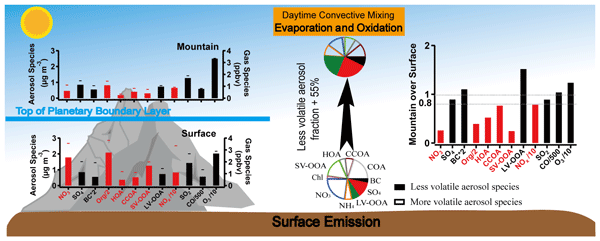
Quan Liu, Dantong Liu, Yangzhou Wu, Kai Bi, Wenkang Gao, Ping Tian, Delong Zhao, Siyuan Li, Chenjie Yu, Guiqian Tang, Yunfei Wu, Kang Hu, Shuo Ding, Qian Gao, Fei Wang, Shaofei Kong, Hui He, Mengyu Huang, and Deping Ding
Atmos. Chem. Phys., 21, 14749–14760, https://doi.org/10.5194/acp-21-14749-2021, https://doi.org/10.5194/acp-21-14749-2021, 2021
Short summary
Short summary
Through simultaneous online measurements of detailed aerosol compositions at both surface and surface-influenced mountain sites, the evolution of aerosol composition during daytime vertical transport was investigated. The results show that, from surface to the top of the planetary boundary layer, the oxidation state of organic aerosol had been significantly enhanced due to evaporation and further oxidation of these evaporated gases.
Cited articles
Albrecht, B. A.: Aerosols, Cloud Microphysics, and Fractional Cloudiness, Science, 245, 1227–1230, https://doi.org/10.1126/science.245.4923.1227, 1989.
Barthlott, C., Zarboo, A., Matsunobu, T., and Keil, C.: Importance of aerosols and shape of the cloud droplet size distribution for convective clouds and precipitation, Atmos. Chem. Phys., 22, 2153–2172, https://doi.org/10.5194/acp-22-2153-2022, 2022.
Beard, K. V. and Ochs, H. T.: Warm-Rain Initiation: An Overview of Microphysical Mechanisms, J. Appl. Meteorol., 32, 608–625, https://doi.org/10.1175/1520-0450(1993)032<0608:WRIAOO>2.0.CO;2, 1993.
Belosi, F., Rinaldi, M., DeCesari, S., Tarozzi, A., Nicosia, A., and Santachiara, G.: Ground Level Ice Nuclei Particle Measurements Including Saharan Dust Events at a Po Valley Rural Site (San Pietro Capofiume, Italy), Atmos. Res., 186, 116–126, https://doi.org/10.1016/j.atmosres.2016.11.012, 2017.
Benedetti, A., Morcrette, J. -J., Boucher, O., Dethof, A., Engelen, R. J., Fisher, M., Flentje, H., Huneeus, N., Jones, L., Kaiser, J. W., Kinne, S., Mangold, A., Razinger, M., Simmons, A. J., and Suttie, M.: Aerosol analysis and forecast in the European Centre for Medium-Range Weather Forecasts Integrated Forecast System: 2. Data assimilation, J. Geophys. Res.-Atmos., 114, 2008JD011115, https://doi.org/10.1029/2008JD011115, 2009.
Bernstein, B. C., Rasmussen, R. M., McDonough, F., and Wolff, C.: Keys to differentiating between small-and large-drop icing conditions in continental clouds, J. Appl. Meteorol. Climatol., 58, 1931–1953, https://doi.org/10.1175/JAMC-D-18-0038.1, 2019.
Bromfield, M. A., Horri, N., Halvorsen, K., and Lande, K.: Loss of control in flight accident case study: icing-related tailplane stall, Aeronaut. J., 127, 1554–1573, https://doi.org/10.1017/aer.2023.18, 2023.
Chapman, E. G., Gustafson, W. I., Easter, R. C., Barnard, J. C., Ghan, S. J., Pekour, M. S., and Fast, J. D.: Coupling aerosol-cloud-radiative processes in the WRF-Chem model: Investigating the radiative impact of elevated point sources, Atmos. Chem. Phys., 9, 945–964, https://doi.org/10.5194/acp-9-945-2009, 2009.
Charlson, R. J., Schwartz, S. E., Hales, J. M., Cess, R. D., Coakley, J. A., Hansen, J. E., and Hofmann, D. J.: Climate Forcing by Anthropogenic Aerosols, Science, 255, 423–430, https://doi.org/10.1126/science.255.5043.423, 1992.
Chen, F. and Dudhia, J.: Coupling an advanced land surface–hydrology model with the Penn State–NCAR MM5 modeling system, Part I: Model implementation and sensitivity, Mon. Weather Rev., 129, 569-585, https://doi.org/10.1175/1520-0493(2001)129<0569:CAALSH>2.0.CO;2, 2001.
Cheng, C. T., Wang, W. C., and Chen, J. P.: Simulation of the effects of increasing cloud condensation nuclei on mixed-phase clouds and precipitation of a front system, Atmos. Res., 96, 461–476, https://doi.org/10.1016/j.atmosres.2010.02.005, 2010.
Chin, M., Rood, R. B., Lin, S., Müller, J., and Thompson, A. M.: Atmospheric sulfur cycle simulated in the global model GOCART: Model description and global properties, J. Geophys. Res.-Atmos., 105, 24671–24687, https://doi.org/10.1029/2000JD900384, 2000.
Chin, M., Ginoux, P., Kinne, S., Torres, O., Holben, B. N., Duncan, B. N., Martin, R. V., Logan, J. A., Higurashi, A., and Nakajima, T.: Tropospheric Aerosol Optical Thickness from the GOCART Model and Comparisons with Satellite and Sun Photometer Measurements, J. Atmos. Sci., 59, 461–483, https://doi.org/10.1175/1520-0469(2002)059<0461:TAOTFT>2.0.CO;2, 2002.
Cober, S. G. and Isaac, G. A.: Characterization of Aircraft Icing Environments with Supercooled Large Drops for Application to Commercial Aircraft Certification, J. Appl. Meteorol. Climatol., 51, 265–284, https://doi.org/10.1175/JAMC-D-11-022.1, 2012.
Colarco, P., Da Silva, A., Chin, M., and Diehl, T.: Online simulations of global aerosol distributions in the NASA GEOS-4 model and comparisons to satellite and ground-based aerosol optical depth, J. Geophys. Res.-Atmos., 115, 2009JD012820, https://doi.org/10.1029/2009JD012820, 2010.
Cole, J. and Sand, W.: Statistical study of aircraft icing accidents, in: 29th Aerospace Sciences Meeting, 29th Aerospace Sciences Meeting, Reno, NV, USA, American Institute of Aeronautics and Astronautics, https://doi.org/10.2514/6.1991-558, 1991.
Collow, A. B., Colarco, P. R., Da Silva, A. M., Buchard, V., Bian, H., Chin, M., Das, S., Govindaraju, R., Kim, D., and Aquila, V.: Benchmarking GOCART-2G in the Goddard Earth Observing System (GEOS), Geosci. Model Dev., 17, 1443–1468, https://doi.org/10.5194/gmd-17-1443-2024, 2024.
Cooper, W. A.: Ice Initiation in Natural Clouds, Meteor. Monogr., 21, 29–32, https://doi.org/10.1175/0065-9401-21.43.29, 1986.
Cui, Z., Davies, S., Carslaw, K. S., and Blyth, A. M.: The response of precipitation to aerosol through riming and melting in deep convective clouds, Atmos. Chem. Phys., 11, 3495–3510, https://doi.org/10.5194/acp-11-3495-2011, 2011.
Dagan, G., Koren, I., Altaratz, O., and Heiblum, R. H.: Time-dependent, non-monotonic response of warm convective cloud fields to changes in aerosol loading, Atmos. Chem. Phys., 17, 7435–7444, https://doi.org/10.5194/acp-17-7435-2017, 2017.
D'Alessandro, J. J., McFarquhar, G. M., Wu, W., Stith, J. L., Jensen, J. B., and Rauber, R. M.: Characterizing the Occurrence and Spatial Heterogeneity of Liquid, Ice, and Mixed Phase Low-Level Clouds Over the Southern Ocean Using in Situ Observations Acquired During SOCRATES, J. Geophys. Res.-Atmos., 126, e2020JD034482, https://doi.org/10.1029/2020JD034482, 2021.
Deng, X., Fu, S., and Xue, H.: The Non-Monotonic Response of Cumulus Congestus to the Concentration of Cloud Condensation Nuclei, Atmosphere, 15, 1225, https://doi.org/10.3390/atmos15101225, 2024.
Dong, X., Zhao, C., Huang, Z., Mai, R., Lv, F., Xue, X., Zhang, X., Hou, S., Yang, Y., Yang, Y., and Sun, Y.: Increase of precipitation by cloud seeding observed from a case study in November 2020 over Shijiazhuang, China, Atmos. Res., 262, 105766, https://doi.org/10.1016/j.atmosres.2021.105766, 2021.
Dudhia, J.: Numerical study of convection observed during the winter monsoon experiment using a mesoscale two-dimensional model, J. Atmos. Sci., 46, 3077–3107, https://doi.org/10.1175/1520-0469(1989)046<3077:NSOCOD>2.0.CO;2, 1989.
Dusek, U., Frank, G. P., Hildebrandt, L., Curtius, J., Schneider, J., Walter, S., Chand, D., Drewnick, F., Hings, S., Jung, D., Borrmann, S., and Andreae, M. O.: Size matters more than chemistry for cloud-nucleating ability of aerosol particles, Science, 312, 1375–1378, https://doi.org/10.1126/science.1125261, 2006.
Faber, S., Bernstein, B., Landolt, S., Jacobson, D., DiVito, S., Wolde, M., Korolev, A., Heckman, I., Nichman, L., and Nguyen, C.: Airborne Observations of Highly Variable and Complex Freezing Drizzle and Mixed-Phase Environments, J. Appl. Meteorol. Climatol., 63, 1343–1361, https://doi.org/10.1175/JAMC-D-24-0056.1, 2024.
Fan, J., Wang, Y., Rosenfeld, D., and Liu, X.: Review of Aerosol–Cloud Interactions: Mechanisms, Significance, and Challenges, J. Atmos. Sci., 73, 4221–4252, https://doi.org/10.1175/JAS-D-16-0037.1, 2016.
Feng, K. and Zhang, X.: Maintenance and Support Management for Type Certification Flight Test of Large Civil Aircraft, in: Proceedings of the First Symposium on Aviation Maintenance and Management, Volume II, 535–545, Springer Berlin Heidelberg, https://doi.org/10.1007/978-3-642-54233-6_59, 2014.
Ginoux, P., Chin, M., Tegen, I., Prospero, J. M., Holben, B., Dubovik, O., and Lin, S.: Sources and distributions of dust aerosols simulated with the GOCART model, J. Geophys. Res.-Atmos., 106, 20255–20273, https://doi.org/10.1029/2000JD000053, 2001.
Glotfelty, T., Alapaty, K., He, J., Hawbecker, P., Song, X., and Zhang, G.: The Weather Research and Forecasting Model with Aerosol–Cloud Interactions (WRF-ACI): Development, Evaluation, and Initial Application, Mon. Weather Rev., 147, 1491–1511, https://doi.org/10.1175/MWR-D-18-0267.1, 2019.
Grell, G. A., Peckham, S. E., Schmitz, R., McKeen, S. A., Frost, G., Skamarock, W. C., and Eder, B.: Fully coupled “online” chemistry within the WRF model, Atmos. Environ., 39, 6957–6975, https://doi.org/10.1016/j.atmosenv.2005.04.027, 2005.
He, Y., Zhao, P., Xiao, H., and Zhao, C.: Structural difference on the response of microphysical and precipitation processes to aerosol perturbation in a quasi-stationary Southwest Vortex system, J. Geophys. Res.-Atmos., 130, e2024JD041767, https://doi.org/10.1029/2024JD041767, 2025.
Hellmuth, F., Carlsen, T., Daloz, A. S., David, R. O., Che, H., and Storelvmo, T.: Evaluation of biases in mid-to-high-latitude surface snowfall and cloud phase in ERA5 and CMIP6 using satellite observations, Atmos. Chem. Phys., 25, 1353–1383, https://doi.org/10.5194/acp-25-1353-2025, 2025.
Hersbach, H., Bell, B., Berrisford, P., Hirahara, S., Horányi, A., Muñoz-Sabater, J., Nicolas, J., Peubey, C., Radu, R., Schepers, D., Simmons, A., Soci, C., Abdalla, S., Abellan, X., Balsamo, G., Bechtold, P., Biavati, G., Bidlot, J., Bonavita, M., De Chiara, G., Dahlgren, P., Dee, D., Diamantakis, M., Dragani, R., Flemming, J., Forbes, R., Fuentes, M., Geer, A., Haimberger, L., Healy, S., Hogan, R. J., Hólm, E., Janisková, M., Keeley, S., Laloyaux, P., Lopez, P., Lupu, C., Radnoti, G., de Rosnay, P., Rozum, I., Vamborg, F., Villaume, S., and Thépaut, J. N.: The ERA5 global reanalysis, Q. J. R. Meteorol. Soc., 146, 1999–2049, https://doi.org/10.1002/qj.3803, 2020.
Hoffmann, F. and Feingold, G.: A Note on Aerosol Processing by Droplet Collision-Coalescence, Geophys. Res. Lett., 50, e2023GL103716, https://doi.org/10.1029/2023GL103716, 2023.
Hong, S. Y., Noh, Y., and Dudhia, J.: A new vertical diffusion package with an explicit treatment of entrainment processes, Mon. Weather Rev., 134, 2318–2341, https://doi.org/10.1175/MWR3199.1, 2006.
Hoose, C., Kristjánsson, J. E., Iversen, T., Kirkevåg, A., Seland, Ø., and Gettelman, A.: Constraining cloud droplet number concentration in GCMs suppresses the aerosol indirect effect, Geophys. Res. Lett., 36, https://doi.org/10.1029/2009GL038568, 2009.
Inness, A., Ades, M., Agustí-Panareda, A., Barré, J., Benedictow, A., Blechschmidt, A.-M., Dominguez, J. J., Engelen, R., Eskes, H., Flemming, J., Huijnen, V., Jones, L., Kipling, Z., Massart, S., Parrington, M., Peuch, V.-H., Razinger, M., Remy, S., Schulz, M., and Suttie, M.: The CAMS reanalysis of atmospheric composition, Atmos. Chem. Phys., 19, 3515–3556, https://doi.org/10.5194/acp-19-3515-2019, 2019.
Jeon, Y. L., Moon, S., Lee, H., Baik, J. J., and Lkhamjav, J.: Non-monotonic dependencies of cloud microphysics and precipitation on aerosol loading in deep convective clouds: A case study using the WRF model with bin microphysics, Atmosphere, 9, 434, https://doi.org/10.3390/atmos9110434, 2018.
Jiao, D., Xu, N., Yang, F., and Xu, K.: Evaluation of spatial-temporal variation performance of ERA5 precipitation data in China, Sci. Rep., 11, 17956, https://doi.org/10.1038/s41598-021-97432-y, 2021.
Jin, X., Wu, T., and Li, L.: The quasi-stationary feature of nocturnal precipitation in the Sichuan Basin and the role of the Tibetan Plateau, Clim. Dyn., 41, 977–994, https://doi.org/10.1007/s00382-012-1521-y, 2013.
Kain, J. S.: The Kain-Fritsch convective parameterization: an update, J. Appl. Meteorol., 43, 170–181, https://doi.org/10.1175/1520-0450(2004)043<0170:TKCPAU>2.0.CO;2, 2004.
Kleinman, L. I., Daum, P. H., Lee, Y.-N., Lewis, E. R., Sedlacek III, A. J., Senum, G. I., Springston, S. R., Wang, J., Hubbe, J., Jayne, J., Min, Q., Yum, S. S., and Allen, G.: Aerosol concentration and size distribution measured below, in, and above cloud from the DOE G-1 during VOCALS-REx, Atmos. Chem. Phys., 12, 207–223, https://doi.org/10.5194/acp-12-207-2012, 2012.
Lance, S., Brock, C. A., Rogers, D., and Gordon, J. A.: Water droplet calibration of the Cloud Droplet Probe (CDP) and in-flight performance in liquid, ice and mixed-phase clouds during ARCPAC, Atmos. Meas. Tech., 3, 1683–1706, https://doi.org/10.5194/amt-3-1683-2010, 2010.
Lave, J., Landolt, S. D., DiVito, S., Korolev, A., and Wolde, M.: Improving Terminal Area Supercooled Large Drop Detection Utilizing Raw Ceilometer Backscatter Profiles Obtained during the ICICLE Flight Campaign, in: American Meteorological Society Meeting Abstracts, January 2021, Vol. 101, 2021.
Li, H., Grell, G. A., Ahmadov, R., Zhang, L., Sun, S., Schnell, J., and Wang, N.: A simple and realistic aerosol emission approach for use in the Thompson–Eidhammer microphysics scheme in the NOAA UFS Weather Model (version GSL global-24 Feb 2022), Geosci. Model Dev., 17, 607–619, https://doi.org/10.5194/gmd-17-607-2024, 2024.
Li, J., Han, Z., Wu, Y., Xiong, Z., Xia, X., Li, J., Liang, L., and Zhang, R.: Aerosol radiative effects and feedbacks on boundary layer meteorology and PM 2.5 chemical components during winter haze events over the Beijing-Tianjin-Hebei region, Atmos. Chem. Phys., 20, 8659–8690, https://doi.org/10.5194/acp-20-8659-2020, 2020.
Liu, H., Peng, S., Fang, R., Li, Y., Duan, L., Wang, T., Mao, C., and Lin, Z.: Analysis of the Meteorological Conditions and Atmospheric Numerical Simulation of an Aircraft Icing Accident, Atmosphere, 15, 1222, https://doi.org/10.3390/atmos15101222, 2024.
Lohmann, U.: A glaciation indirect aerosol effect caused by soot aerosols, Geophys. Res. Lett., 29, 1052, https://doi.org/10.1029/2001GL014357, 2002.
Lu, H., Xie, M., Zhuang, B., Ma, D., Liu, B., Zhan, Y., Wang, T., Li, S., Li, M., and Zhu, K.: Impacts of atmospheric circulation patterns and cloud inhibition on aerosol radiative effect and boundary layer structure during winter air pollution in Sichuan Basin, China, Atmos. Chem. Phys., 24, 8963–8982, https://doi.org/10.5194/acp-24-8963-2024, 2024.
Mlawer, E. J., Taubman, S. J., Brown, P. D., Iacono, M. J., and Clough, S. A.: Radiative transfer for inhomogeneous atmospheres: RRTM, a validated correlated model for the longwave, J. Geophys. Res.-Atmos., 102, 16663–16682, https://doi.org/10.1029/97JD00237, 1997.
Morales Betancourt, R. and Nenes, A.: Understanding the contributions of aerosol properties and parameterization discrepancies to droplet number variability in a global climate model, Atmos. Chem. Phys., 14, 4809–4826, https://doi.org/10.5194/acp-14-4809-2014, 2014.
Morcrette, J. J., Boucher, O., Jones, L., Salmond, D., Bechtold, P., Beljaars, A., Benedetti, A., Bonet, A., Kaiser, J. W., Razinger, M., Schulz, M., Serrar, S., Simmons, A. J., Sofiev, M., Suttie, M., Tompkins, A. M., and Untch, A.: Aerosol analysis and forecast in the European Centre for medium-range weather forecasts integrated forecast system: Forward modelling, J. Geophys. Res.-Atmos., 114, https://doi.org/10.1029/2008JD011235, 2009.
Omanovic, N., Ferrachat, S., Fuchs, C., Henneberger, J., Miller, A. J., Ohneiser, K., Ramelli, F., Seifert, P., Spirig, R., Zhang, H., and Lohmann, U.: Evaluating the Wegener–Bergeron–Findeisen process in ICON in large-eddy mode with in situ observations from the CLOUDLAB project, Atmos. Chem. Phys., 24, 6825–6844, https://doi.org/10.5194/acp-24-6825-2024, 2024.
Paukert, M., Fan, J., Rasch, P. J., Morrison, H., Milbrandt, J. A., Shpund, J., and Khain, A.: Three-moment representation of rain in a bulk microphysics model, J. Adv. Model. Earth Syst., 11, 257–277, https://doi.org/10.1029/2018MS001512, 2019.
Petty, K. R. and Floyd, C. D.: A statistical review of aviation airframe icing accidents in the US, in: Proceedings of the 11th Conference on Aviation, Range, and Aerospace Hyannis, American Meteorological Society, https://ams.confex.com/ams/11aram22sls/techprogram/paper_81425.htm (last access: 11 February 2026), 2004.
Potapczuk, M. G.: Aircraft Icing Research at NASA Glenn Research Center, J. Aerosp. Eng., 26, 260–276, https://doi.org/10.1061/(ASCE)AS.1943-5525.0000322, 2013.
Pruppacher, H. R., Klett, J. D., and Wang, P. K.: Microphysics of Clouds and Precipitation, Aerosol Sci. Technol., 28, 381–382, https://doi.org/10.1080/02786829808965531, 1998.
Rosenfeld, D., Andreae, M. O., Asmi, A., Chin, M., de Leeuw, G., Donovan, D. P., Kahn, R., Kinne, S., Kivekäs, N., Kulmala, M., Lau, W., Schmidt, K. S., Suni, T., Wagner, T., Wild, M., and Quaas, J.: Global observations of aerosol-cloud-precipitation-climate interactions, Rev. Geophys., 52, 750–808, https://doi.org/10.1002/2013RG000441, 2014.
Rosenfeld, D.: Suppression of Rain and Snow by Urban and Industrial Air Pollution, Science, 287, 1793–1796, https://doi.org/10.1126/science.287.5459.1793, 2000.
Rugg, A., Haggerty, J., Adriaansen, D., Serke, D., and Ellis, S.: Significant Updates for the Current Icing Product (CIP) and Forecast Icing Product (FIP) Following the 2019 In-Cloud Icing and Large-Drop Experiment (ICICLE), SAE International Journal of Advances and Current Practices in Mobility, 6, 1363–1372, https://doi.org/10.4271/2023-01-1487, 2023.
Sand, W. R., Cooper, W. A., Politovich, M. K., and Veal, D. L.: Icing conditions encountered by a research aircraft, J. Appl. Meteorol. Climatol., 23, 1427–1440, https://doi.org/10.1175/0733-3021-23.10.1427, 1984.
Schima, J., McFarquhar, G., Romatschke, U., Vivekanandan, J., D'Alessandro, J., Haggerty, J., Wolff, C., Schaefer, E., Järvinen, E., and Schnaiter, M.: Characterization of Southern Ocean Boundary Layer Clouds Using Airborne Radar, Lidar, and In Situ Cloud Data: Results From SOCRATES, J. Geophys. Res.-Atmos., 127, e2022JD037277, https://doi.org/10.1029/2022JD037277, 2022.
Seifert, A. and Beheng, K. D.: A two-moment cloud microphysics parameterization for mixed-phase clouds, Part 1: Model description, Meteorol. Atmos. Phys., 92, 45–66, https://doi.org/10.1007/s00703-005-0112-4, 2006.
Sotiropoulou, R. E. P., Medina, J., and Nenes, A.: CCN predictions: Is theory sufficient for assessments of the indirect effect?, Geophys. Res. Lett., 33, https://doi.org/10.1029/2005GL025148, 2006.
Thomas, B., Viswanadhapalli, Y., Srinivas, C. V., Dasari, H. P., Attada, R., and Langodan, S.: Cloud resolving simulation of extremely heavy rainfall event over Kerala in August 2018 – Sensitivity to microphysics and aerosol feedback, Atmos. Res., 258, 105613, https://doi.org/10.1016/j.atmosres.2021.105613, 2021.
Thompson, G. and Eidhammer, T.: A Study of Aerosol Impacts on Clouds and Precipitation Development in a Large Winter Cyclone, J. Atmos. Sci., 71, 3636–3658, https://doi.org/10.1175/JAS-D-13-0305.1, 2014.
Thompson, G., Field, P. R., Rasmussen, R. M., and Hall, W. D.: Explicit Forecasts of Winter Precipitation Using an Improved Bulk Microphysics Scheme, Part II: Implementation of a New Snow Parameterization, Mon. Weather Rev., 136, 5095–5115, https://doi.org/10.1175/2008MWR2387.1, 2008.
Thompson, G., Politovich, M. K., and Rasmussen, R. M.: A Numerical Weather Model's Ability to Predict Characteristics of Aircraft Icing Environments, Weather Forecast., 32, 207–221, https://doi.org/10.1175/WAF-D-16-0125.1, 2017.
Twomey, S.: The nuclei of natural cloud formation part II: The supersaturation in natural clouds and the variation of cloud droplet concentration, Geofis. Pura E Appl., 43, 243–249, https://doi.org/10.1007/BF01993560, 1959.
Twomey, S.: The Influence of Pollution on the Shortwave Albedo of Clouds, J. Atmos. Sci., 34, 1149–1152, https://doi.org/10.1175/1520-0469(1977)034<1149:TIOPOT>2.0.CO;2, 1977.
Ukhov, A., Ahmadov, R., Grell, G., and Stenchikov, G.: Improving dust simulations in WRF-Chem v4.1.3 coupled with the GOCART aerosol module, Geosci. Model Dev., 14, 473–493, https://doi.org/10.5194/gmd-14-473-2021, 2020.
Wang, J., Li, Z., Liang, Y., and Ke, J.: An Assessment of the Applicability of ERA5 Reanalysis Boundary Layer Data Against Remote Sensing Observations in Mountainous Central China, Atmosphere, 16, 1152, https://doi.org/10.3390/atmos16101152, 2025.
Ward, D. S., Eidhammer, T., Cotton, W. R., and Kreidenweis, S. M.: The role of the particle size distribution in assessing aerosol composition effects on simulated droplet activation, Atmos. Chem. Phys., 10, 5435–5447, https://doi.org/10.5194/acp-10-5435-2010, 2010.
Weston, M. J., Piketh, S. J., Burnet, F., Broccardo, S., Denjean, C., Bourrianne, T., and Formenti, P.: Sensitivity analysis of an aerosol-aware microphysics scheme in Weather Research and Forecasting (WRF) during case studies of fog in Namibia, Atmos. Chem. Phys., 22, 10221–10245, https://doi.org/10.5194/acp-22-10221-2022, 2022.
Wu, W., Huang, W., Li, B., Xie, Y., Yang, Y., Wang, P., Niu, Z., and Deng, L.: Improving Supercooled Water Forecast Through Real-Time Aerosol Input: A Case Study, J. Geophys. Res.-Atmos., 129, e2023JD039671, https://doi.org/10.1029/2023JD039671, 2024.
Yu, L., Zhang, M., Wang, L., Li, H., and Li, J.: Characteristics of Aerosols and Clouds and Their Role in Earth's Energy Budget, J. Clim., 37, 995–1014, https://doi.org/10.1175/JCLI-D-23-0414.1, 2024.
Yu, X. and Lee, T. Y.: Role of convective parameterization in simulations of a convection band at grey-zone resolutions, Tellus A: Dyn. Meteorol. Oceanogr., 62, 617–632, https://doi.org/10.1111/j.1600-0870.2010.00470.x, 2010.
Yu, Y., Zhu, Q., He, Q., Gao, Y., Zhou, X., Zhang, R., and Cheng, T.: Variations of aerosol and cloud vertical characteristics based on aircraft measurements in upstream of Shanghai during the 2020 China international import expo, Front. Environ. Sci., 10, 1098611, https://doi.org/10.3389/fenvs.2022.1098611, 2022.
Yuan, M., Lv, A., Wang, W., Dong, X., and Ping, F.: The microphysical properties and processes in in-flight icing: A case study, Atmos. Res., 326, 108326, https://doi.org/10.1016/j.atmosres.2025.108326, 2025.
Zaveri, R. A., Easter, R. C., Fast, J. D., and Peters, L. K.: Model for simulating aerosol interactions and chemistry (MOSAIC), J. Geophys. Res.-Atmos., 113, https://doi.org/10.1029/2007JD008782, 2008.
Zhang, Q., Quan, J., Tie, X., Huang, M., and Ma, X.: Impact of aerosol particles on cloud formation: Aircraft measurements in China, Atmos. Environ., 45, 665–672, https://doi.org/10.1016/j.atmosenv.2010.10.025, 2011.
Zhao, L., Wang, Y., Zhao, C., Dong, X., and Yung, Y. L.: Compensating errors in cloud radiative and physical properties over the Southern Ocean in the CMIP6 climate models, Adv. Atmos. Sci., 39, 2156–2171, https://doi.org/10.1007/s00376-022-2036-z, 2022.
Zhao, X., Liu, X., Burrows, S., DeMott, P. J., Diao, M., McFarquhar, G. M., Patade, S., Phillips, V., Roberts, G. C., Sanchez, K. J., Shi, Y., and Zhang, M.: Important Ice Processes Are Missed by the Community Earth System Model in Southern Ocean Mixed-Phase Clouds: Bridging SOCRATES Observations to Model Developments, J. Geophys. Res.-Atmos., 128, e2022JD037513, https://doi.org/10.1029/2022JD037513, 2023.
Short summary
This study quantitatively evaluates the characteristics of supercooled liquid water, as well as the sensitivity of the microphysical processes governing the production and depletion of supercooled liquid water to different aerosol inputs, including clean and polluted conditions. The results highlight the importance of near-real-time aerosol inputs for improving prediction of aircraft icing environments.
This study quantitatively evaluates the characteristics of supercooled liquid water, as well as...


Altmetrics
Final-revised paper
Preprint