
Articles | Volume 26, issue 21
https://doi.org/10.5194/acp-26-15461-2026
© Author(s) 2026. This work is distributed under
the Creative Commons Attribution 4.0 License.
the Creative Commons Attribution 4.0 License.
https://doi.org/10.5194/acp-26-15461-2026
© Author(s) 2026. This work is distributed under
the Creative Commons Attribution 4.0 License.
the Creative Commons Attribution 4.0 License.
Research article
| 
03 Nov 2026
Research article |
| 03 Nov 2026
| 03 Nov 2026
Vertical profiling and aerosol typing using fluorescence Raman and depolarization lidar measurements over Thessaloniki, Greece
Georgia Peletidou
CORRESPONDING AUTHOR

Laboratory of Atmospheric Physics, Department of Physics, Aristotle University of Thessaloniki, 54124 Thessaloniki, Greece
Kalliopi A. Voudouri
Laboratory of Atmospheric Physics, Department of Physics, Aristotle University of Thessaloniki, 54124 Thessaloniki, Greece
National Observatory of Athens, Institute for Astronomy, Astrophysics, Space Applications and Remote Sensing, 15236 Athens, Greece
Konstantinos Michailidis
Laboratory of Atmospheric Physics, Department of Physics, Aristotle University of Thessaloniki, 54124 Thessaloniki, Greece
Peristera Paschou
National Observatory of Athens, Institute for Astronomy, Astrophysics, Space Applications and Remote Sensing, 15236 Athens, Greece
Nikolaos Siomos
Chair of Experimental Meteorology, Faculty of Physics, Ludwig-Maximilians-Universität München, 80539 München, Germany
Sofia Papadogiannaki
Laboratory of Atmospheric Physics, Department of Physics, Aristotle University of Thessaloniki, 54124 Thessaloniki, Greece
Jens Reichardt
Richard-Aßmann-Observatorium, Deutscher Wetterdienst, Lindenberg, Germany
Dimitrios Balis
Laboratory of Atmospheric Physics, Department of Physics, Aristotle University of Thessaloniki, 54124 Thessaloniki, Greece
Related authors
No articles found.
Nikos Gialesakis, Friedemann Reum, Nikos Daskalakis, Ioanna Evangelou, Aikaterini Bougiatioti, Marios Mermigkas, Maria Gkini, Nikolaos Mihalopoulos, Dimitrios Balis, Konstantinos Eleftheriadis, Mihalis Vrekoussis, and Maria Kanakidou
EGUsphere, https://doi.org/10.5194/egusphere-2026-4307, https://doi.org/10.5194/egusphere-2026-4307, 2026
This preprint is open for discussion and under review for Atmospheric Chemistry and Physics (ACP).
Short summary
Short summary
We use ground-based CO2 measurements from urban background, regional background and high-altitude stations, together with satellite-derived column-averaged CO2 observations, in a regional atmospheric inversion modelling framework to optimize CO2 emissions over Greece. We demonstrate the capability of this framework to improve CO2 emission estimates, while noting that expanded observational coverage would be needed for strong emission constraints, especially near the major CO2 sources.
Kalliopi Artemis Voudouri, Andreas Karipis, Alexandra Tsekeri, Otto Hasekamp, Kirk Knobelspiesse, Meng Gao, Santiago Gasso, Gerd-jan van Zadelhoff, Athanasios Tsikerdekis, Guangliang Fu, Anton Lopatin, Oleg Dubovik, Edward Malina, Eleni Marinou, and Vassilis Amiridis
EGUsphere, https://doi.org/10.5194/egusphere-2026-5990, https://doi.org/10.5194/egusphere-2026-5990, 2026
This preprint is open for discussion and under review for Atmospheric Measurement Techniques (AMT).
Short summary
Short summary
This study evaluates two satellite-based methods for retrieving aerosol layer height using observations from the PACE and EarthCARE missions. We assess the consistency of their retrievals under different atmospheric conditions and across diverse regions, identifying when they agree best and highlighting the strengths and limitations of each approach. The results support the validation of these missions, which are expected to provide long-term observations for reliable climate data records.
Hans Segura, Allison A. Wing, Heike Kalesse-Los, Ruben Carrasco, James H. Ruppert Jr., Anna Trosits, Louise Nuijens, Felix Ament, Daniel Blandfort, Michael M. Bell, Pierre Bosser, Delián Colón-Burgos, Geet George, Joelle Habib, Jochen Horstmann, Friedhelm Jansen, Lukas Kluft, Robert Kopte, Klas Ove Möller, Peristera Paschou, Hauke Schmidt, Michael Schlundt, Ilya Serikov, Martin Stelzner, Elizabeth J. Thompson, Werenfrid Wimmer, Marcus Dengler, and Daniel Klocke
Earth Syst. Sci. Data Discuss., https://doi.org/10.5194/essd-2026-343, https://doi.org/10.5194/essd-2026-343, 2026
Revised manuscript accepted for ESSD
Short summary
Short summary
BOWTIE (Beobachtung von Ozean und Wolken - Das Trans ITCZ Experiment) was an observational campaign occurring in summer 2024, which intensively took measurements from the upper ocean to the upper troposphere in the wettest region of the tropical Atlantic. Here, we provide an overview of the measurements and instrumentation, including remote sensing and conventional, which targeted small-scale processes under different weather regimes, from calm doldrums to gusty, precipitating events.
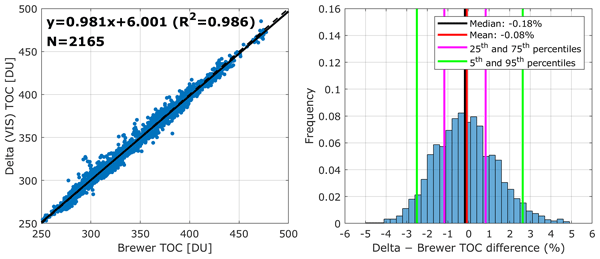
Dimitris Karagkiozidis, Alkiviadis Bais, Katerina Garane, Michel Van Roozendael, Dimitris Nikolis, Manuel Roca, and Dimitris Balis
Atmos. Meas. Tech., 19, 3309–3332, https://doi.org/10.5194/amt-19-3309-2026, https://doi.org/10.5194/amt-19-3309-2026, 2026
Short summary
Short summary
This study presents total ozone column (TOC) measurements over Thessaloniki, Greece, using a ground-based Ultraviolet-Visible (UV-VIS) instrument, by applying the direct sun Differential Optical Absorption Spectroscopy (DOAS) technique. The retrievals in both the UV (Huggins) and VIS (Chappuis) bands show very good agreement with collocated Brewer and Pandora observations. The results highlight the successful exploitation of the Chappuis bands for reliable ozone monitoring, providing a complementary approach to traditional UV-based TOC retrievals.
Kalliopi Artemis Voudouri, Eleni Marinou, Ilianna Koutsoupi, Vassilis Spyrakos, Dimitra Karkani, Ioanna Tsikoudi, Alessandro Battaglia, Pavlos Kollias, Eleni Giannakaki, and Vassilis Amiridis
EGUsphere, https://doi.org/10.5194/egusphere-2026-2384, https://doi.org/10.5194/egusphere-2026-2384, 2026
Short summary
Short summary
Cloud observations from the CloudSat mission (2007–2017) reveal how clouds vary per altitude and season across the Mediterranean. Comparisons with ERA5 reanalysis show good overall agreement, though ice clouds are often underestimated. Early EarthCARE mission data are also presented, towards improving long-term climate records.
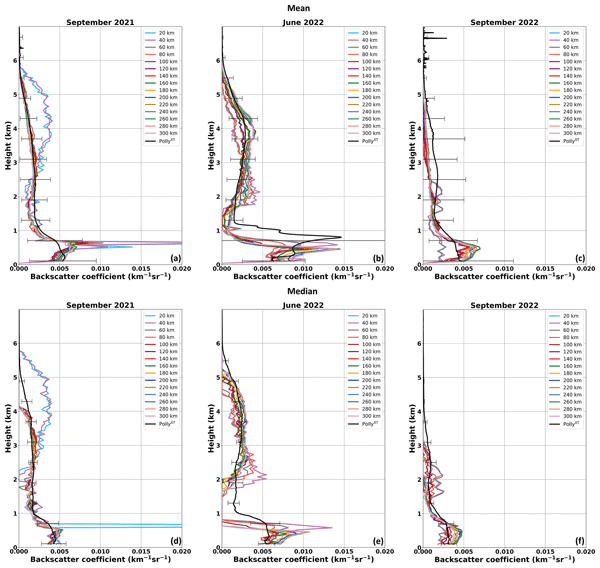
Athena Augusta Floutsi, Konstantinos Rizos, Dimitri Trapon, Ronny Engelmann, Dietrich Althausen, Eleni Marinou, Peristera Paschou, Julian Hofer, Emmanouil Proestakis, Henriette Gebauer, Annett Skupin, Albert Ansmann, Thorsten Fehr, Timon Hummel, Rob Koopman, Vassilis Amiridis, Ulla Wandinger, and Holger Baars
Atmos. Meas. Tech., 19, 1901–1925, https://doi.org/10.5194/amt-19-1901-2026, https://doi.org/10.5194/amt-19-1901-2026, 2026
Short summary
Short summary
We assess the representativeness of a remote ground-based station in Mindelo, Cabo Verde by utilizing continuous observations of a ground-based multiwavelength polarization Raman lidar and the LIdar climatology of Vertical Aerosol Structure (LIVAS) products. Based on a statistical analysis of the optical properties at different radii around Mindelo and case studies, we conclude that overall, the ground-based station in Mindelo can be considered conditionally representative.
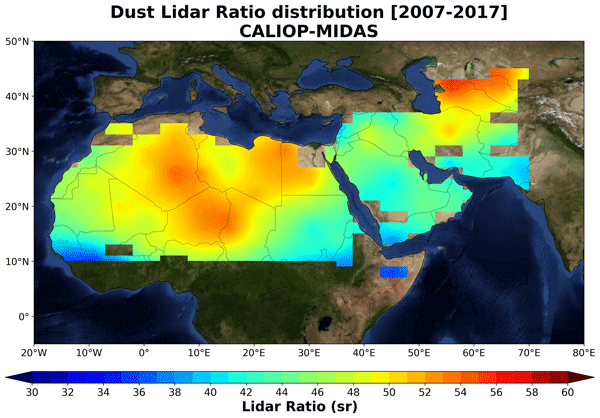
Anna Moustaka, Nikolaos Siomos, Stelios Kazadzis, Emmanouil Proestakis, Kalliopi Artemis Voudouri, Anton Lopatin, Oleg Dubovik, Kleareti Tourpali, Christos Zerefos, Vassilis Amiridis, and Antonis Gkikas
Atmos. Meas. Tech., 19, 1201–1225, https://doi.org/10.5194/amt-19-1201-2026, https://doi.org/10.5194/amt-19-1201-2026, 2026
Short summary
Short summary
North Africa and the Middle East are home to the world’s most active dust sources, but accurately monitoring airborne dust remains challenging. We combine active and passive satellite aerosol products to dynamically estimate dust lidar ratios over a 12-year period. The results reveal pronounced and physically meaningful regional variability, improving aerosol characterization and supporting climate and air-quality applications.
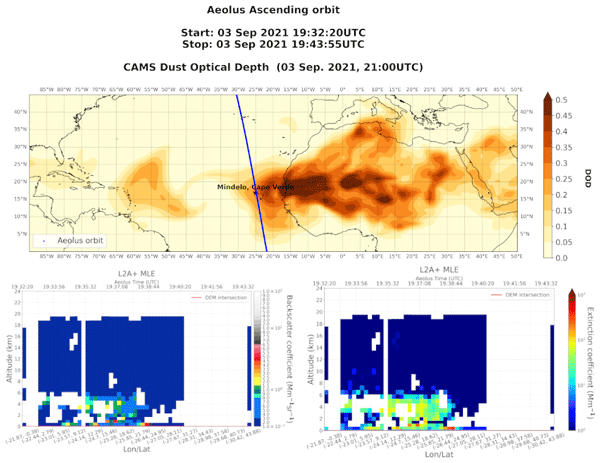
Konstantinos Rizos, Emmanouil Proestakis, Thanasis Georgiou, Antonis Gkikas, Eleni Marinou, Peristera Paschou, Kalliopi Artemis Voudouri, Athanasios Tsikerdekis, David P. Donovan, Gerd-Jan van Zadelhoff, Angela Benedetti, Holger Baars, Athena Augusta Floutsi, Nikos Benas, Martin Stengel, Christian Retscher, Edward Malina, and Vassilis Amiridis
Atmos. Meas. Tech., 19, 699–728, https://doi.org/10.5194/amt-19-699-2026, https://doi.org/10.5194/amt-19-699-2026, 2026
Short summary
Short summary
The Aeolus satellite's lidar system had limitations in detecting certain atmospheric layers and distinguishing between aerosol and cloud types. To improve accuracy, a new dust detection product was developed. By combining data from various sources and validating it with ground-based measurements, this enhanced product performs better than the original. It helps improve dust transport models and weather predictions, making it a valuable tool for atmospheric monitoring and forecasting.
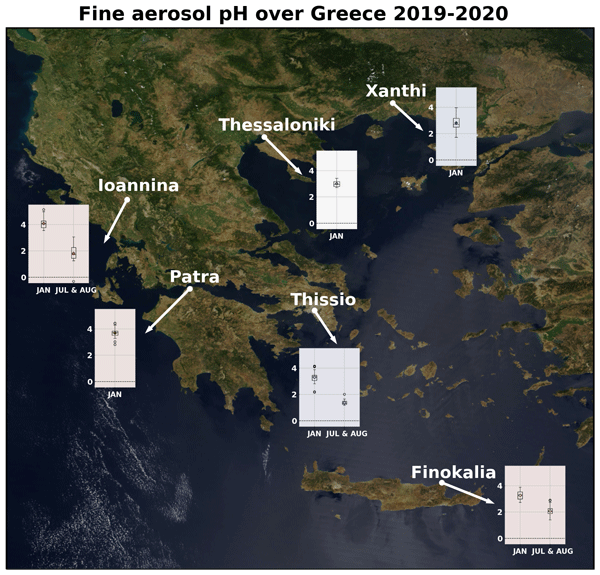
Anna Maria Neroladaki, Maria Tsagkaraki, Kyriaki Papoutsidaki, Kalliopi Tavernaraki, Filothei Boufidou, Pavlos Zarmpas, Irini Tsiodra, Eleni Liakakou, Aikaterini Bougiatioti, Giorgos Kouvarakis, Nikos Kalivitis, Christos Kaltsonoudis, Athanasios Karagioras, Dimitrios Balis, Konstantinos Michailidis, Konstantinos Kourtidis, Stelios Myriokefalitakis, Nikos Hatzianastassiou, Spyros N. Pandis, Athanasios Nenes, Nikolaos Mihalopoulos, and Maria Kanakidou
Atmos. Chem. Phys., 25, 17953–17971, https://doi.org/10.5194/acp-25-17953-2025, https://doi.org/10.5194/acp-25-17953-2025, 2025
Short summary
Short summary
Aerosol acidity affects aerosol composition and properties, and therefore climate, human health and ecosystems. We use summer and winter fine aerosol observations at 6 sites across Greece, and a thermodynamic model to calculate the spatial and seasonal variability of aerosol acidity. Aerosols were acidic to moderately acidic and more acidic during summer than winter. The importance of organics for aerosol acidity was small. Depending on location different factors controlled aerosol acidity.
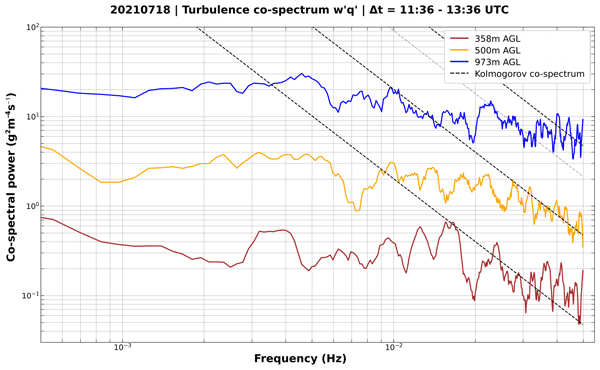
Johannes Speidel, Hannes Vogelmann, Andreas Behrendt, Diego Lange, Matthias Mauder, Jens Reichardt, and Kevin Wolz
Atmos. Meas. Tech., 18, 4923–4948, https://doi.org/10.5194/amt-18-4923-2025, https://doi.org/10.5194/amt-18-4923-2025, 2025
Short summary
Short summary
Humidity transport from the Earth's surface into the atmosphere is relevant for many processes. However, knowledge of the actual distribution of humidity concentrations is sparse – mainly due to technological limitations. With the lidar presented herein, it is possible to measure humidity concentrations and their vertical fluxes up to altitudes of > 3 km with high spatiotemporal resolution, opening new possibilities for detailed process understanding and, ultimately, better model representation.
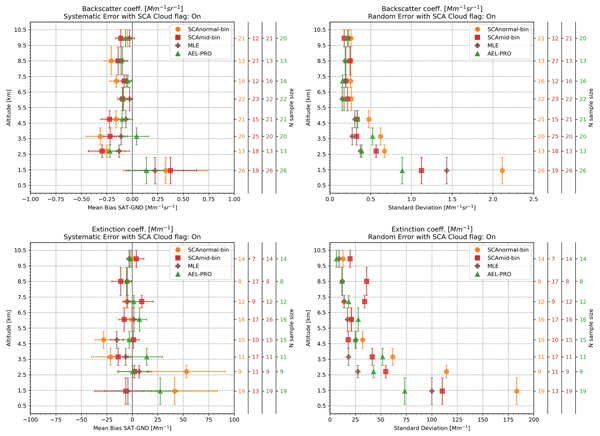
Peristera Paschou, Nikolaos Siomos, Eleni Marinou, Antonis Gkikas, Samira M. Idrissa, Daniel T. Quaye, Désiré D. Fiogbe Attannon, Kalliopi Artemis Voudouri, Charikleia Meleti, David P. Donovan, George Georgoussis, Tommaso Parrinello, Thorsten Fehr, Jonas von Bismarck, and Vassilis Amiridis
Atmos. Meas. Tech., 18, 4731–4754, https://doi.org/10.5194/amt-18-4731-2025, https://doi.org/10.5194/amt-18-4731-2025, 2025
Short summary
Short summary
This study presents the results from a validation study on the Level 2A products (aerosol optical properties) of the ESA's (European Space Agency) Aeolus mission. Measurements from the eVe lidar, a combined linear/circular polarization and Raman lidar and ESA's ground reference system, that have been collected during the Joint Aeolus Tropical Atlantic Campaign are compared with collocated Aeolus Level 2A profiles obtained from the latest version (Baseline 16) of the Aeolus algorithms.

Jens Reichardt, Felix Lauermann, and Oliver Behrendt
Atmos. Chem. Phys., 25, 5857–5892, https://doi.org/10.5194/acp-25-5857-2025, https://doi.org/10.5194/acp-25-5857-2025, 2025
Short summary
Short summary
Optical remote sensing systems, so-called lidars, are used to learn more about aerosols, which play an important role in atmospheric processes. The present study demonstrates that lidars, which measure the backscattering behavior of aerosols over the entire visible wavelength range, can increase our knowledge of the spatial and temporal occurrence of aerosol layers, the type of aerosol, and their interaction with clouds. The focus of the publication is on wildfire aerosol and Saharan dust.
Lena Feld, Pablo Schmid, Marios Mermigkas, Dimitrios Balis, Jochen Gross, Darko Dubravica, Carlos Alberti, Benedikt Herkommer, Stefan Versick, Roland Ruhnke, Frank Hase, and Peter Braesicke
EGUsphere, https://doi.org/10.5194/egusphere-2025-639, https://doi.org/10.5194/egusphere-2025-639, 2025
Short summary
Short summary
Our goal is to measure CO2 emissions from cities, to verify and improve our knowledge of reported anthropogenic emissions. We use atmospheric measurements and simulations of CO2 transport to find an independent estimate. This study investigates the CO2 emissions of the city of Thessaloniki, where the reported emissions differ. The data we collected indicates that the emissions are larger than stated by the ODIAC inventory, which we used for our simulations.
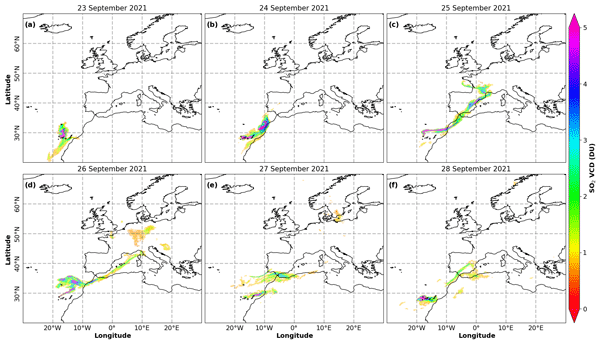
Pascal Hedelt, Jens Reichardt, Felix Lauermann, Benjamin Weiß, Nicolas Theys, Alberto Redondas, Africa Barreto, Omaira Garcia, and Diego Loyola
Atmos. Chem. Phys., 25, 1253–1272, https://doi.org/10.5194/acp-25-1253-2025, https://doi.org/10.5194/acp-25-1253-2025, 2025
Short summary
Short summary
The 2021 volcanic eruption of Tajogaite on La Palma is investigated using ground-based and satellite measurements. In addition, the atmospheric transport of the volcanic cloud towards Europe is studied in detail. The amount of SO2 released during the eruption and the height of the volcanic plume are in excellent agreement among the different measurements. Furthermore, volcanic aerosol microphysical properties could be retrieved using a new retrieval approach based on lidar measurements.
Alexandra Tsekeri, Anna Gialitaki, Marco Di Paolantonio, Davide Dionisi, Gian Luigi Liberti, Alnilam Fernandes, Artur Szkop, Aleksander Pietruczuk, Daniel Pérez-Ramírez, Maria J. Granados Muñoz, Juan Luis Guerrero-Rascado, Lucas Alados-Arboledas, Diego Bermejo Pantaleón, Juan Antonio Bravo-Aranda, Anna Kampouri, Eleni Marinou, Vassilis Amiridis, Michael Sicard, Adolfo Comerón, Constantino Muñoz-Porcar, Alejandro Rodríguez-Gómez, Salvatore Romano, Maria Rita Perrone, Xiaoxia Shang, Mika Komppula, Rodanthi-Elisavet Mamouri, Argyro Nisantzi, Diofantos Hadjimitsis, Francisco Navas-Guzmán, Alexander Haefele, Dominika Szczepanik, Artur Tomczak, Iwona S. Stachlewska, Livio Belegante, Doina Nicolae, Kalliopi Artemis Voudouri, Dimitris Balis, Athena A. Floutsi, Holger Baars, Linda Miladi, Nicolas Pascal, Oleg Dubovik, and Anton Lopatin
Atmos. Meas. Tech., 16, 6025–6050, https://doi.org/10.5194/amt-16-6025-2023, https://doi.org/10.5194/amt-16-6025-2023, 2023
Short summary
Short summary
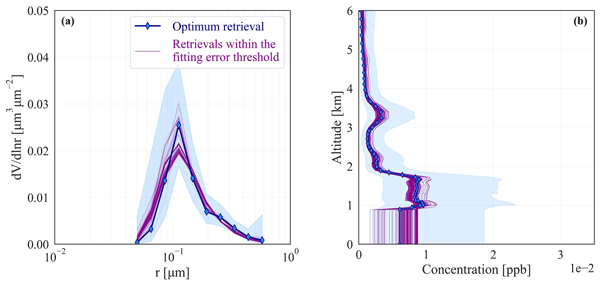
EARLINET/ACTRIS organized an intensive observational campaign in May 2020, with the objective of monitoring the atmospheric state over Europe during the COVID-19 lockdown and relaxation period. The work presented herein focuses on deriving a common methodology for applying a synergistic retrieval that utilizes the network's ground-based passive and active remote sensing measurements and deriving the aerosols from anthropogenic activities over Europe.
Antonis Gkikas, Anna Gialitaki, Ioannis Binietoglou, Eleni Marinou, Maria Tsichla, Nikolaos Siomos, Peristera Paschou, Anna Kampouri, Kalliopi Artemis Voudouri, Emmanouil Proestakis, Maria Mylonaki, Christina-Anna Papanikolaou, Konstantinos Michailidis, Holger Baars, Anne Grete Straume, Dimitris Balis, Alexandros Papayannis, Tomasso Parrinello, and Vassilis Amiridis
Atmos. Meas. Tech., 16, 1017–1042, https://doi.org/10.5194/amt-16-1017-2023, https://doi.org/10.5194/amt-16-1017-2023, 2023
Short summary
Short summary
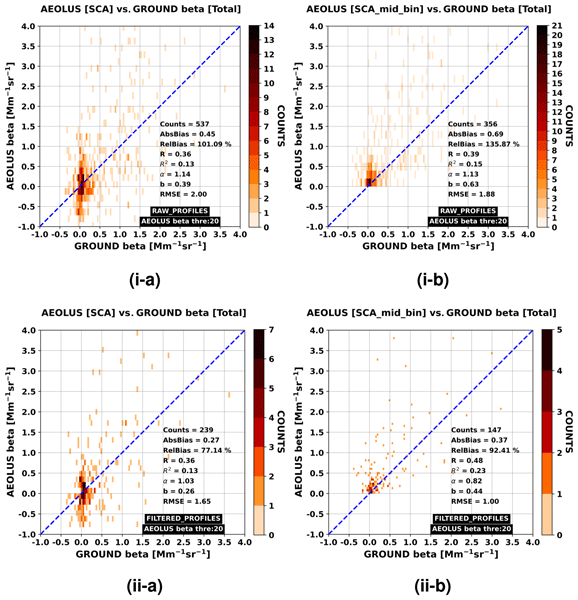
We perform an assessment analysis of the Aeolus Standard Correct Algorithm (SCA) backscatter coefficient retrievals against reference observations acquired at three Greek lidar stations (Athens, Thessaloniki and Antikythera) of the PANACEA network. Overall, 43 cases are analysed, whereas specific aerosol scenarios in the vicinity of Antikythera island (SW Greece) are emphasised. All key Cal/Val aspects and recommendations, and the ongoing related activities, are thoroughly discussed.
Konstantinos Michailidis, Maria-Elissavet Koukouli, Dimitris Balis, J. Pepijn Veefkind, Martin de Graaf, Lucia Mona, Nikolaos Papagianopoulos, Gesolmina Pappalardo, Ioanna Tsikoudi, Vassilis Amiridis, Eleni Marinou, Anna Gialitaki, Rodanthi-Elisavet Mamouri, Argyro Nisantzi, Daniele Bortoli, Maria João Costa, Vanda Salgueiro, Alexandros Papayannis, Maria Mylonaki, Lucas Alados-Arboledas, Salvatore Romano, Maria Rita Perrone, and Holger Baars
Atmos. Chem. Phys., 23, 1919–1940, https://doi.org/10.5194/acp-23-1919-2023, https://doi.org/10.5194/acp-23-1919-2023, 2023
Short summary
Short summary
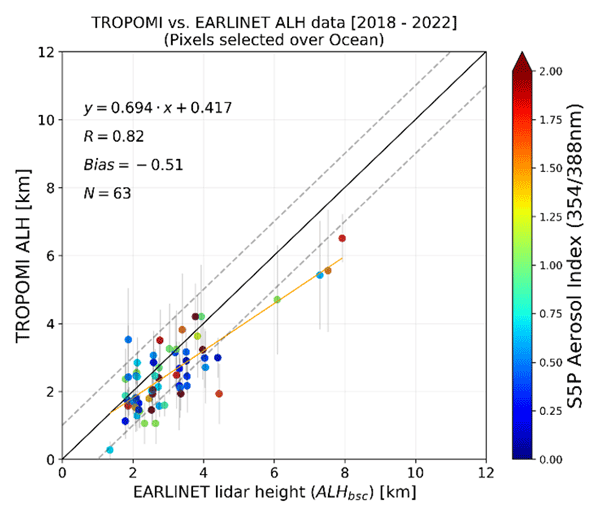
Comparisons with ground-based correlative lidar measurements constitute a key component in the validation of satellite aerosol products. This paper presents the validation of the TROPOMI aerosol layer height (ALH) product, using archived quality assured ground-based data from lidar stations that belong to the EARLINET network. Comparisons between the TROPOMI ALH and co-located EARLINET measurements show good agreement over the ocean.

Katerina Garane, Ka Lok Chan, Maria-Elissavet Koukouli, Diego Loyola, and Dimitris Balis
Atmos. Meas. Tech., 16, 57–74, https://doi.org/10.5194/amt-16-57-2023, https://doi.org/10.5194/amt-16-57-2023, 2023
Short summary
Short summary
In this work, 2.5 years of TROPOMI/S5P Total Column Water Vapor (TCWV) observations retrieved from the blue wavelength band are validated against co-located precipitable water measurements from NASA AERONET, which uses Cimel Sun photometers globally. Overall, the TCWV product agrees well on a global scale with the ground-based dataset (Pearson correl. coefficient 0.909) and has a mean relative bias of −2.7 ± 4.9 % with respect to the AERONET observations for moderate albedo and cloudiness.

Jens Reichardt, Oliver Behrendt, and Felix Lauermann
Atmos. Meas. Tech., 16, 1–13, https://doi.org/10.5194/amt-16-1-2023, https://doi.org/10.5194/amt-16-1-2023, 2023
Short summary
Short summary
The UVA spectrometer is the latest instrumental addition to the spectrometric fluorescence and Raman lidar RAMSES. The redesigned receiver and the data analysis of the fluorescence measurement are described. Furthermore, the effect of aerosol fluorescence on humidity measurements is studied. It turns out that Raman lidars equipped with a spectrometer show superior performance over those with one discrete fluorescence detection channel only. The cause is variability in the fluorescence spectrum.
Maria-Elissavet Koukouli, Konstantinos Michailidis, Pascal Hedelt, Isabelle A. Taylor, Antje Inness, Lieven Clarisse, Dimitris Balis, Dmitry Efremenko, Diego Loyola, Roy G. Grainger, and Christian Retscher
Atmos. Chem. Phys., 22, 5665–5683, https://doi.org/10.5194/acp-22-5665-2022, https://doi.org/10.5194/acp-22-5665-2022, 2022
Short summary
Short summary
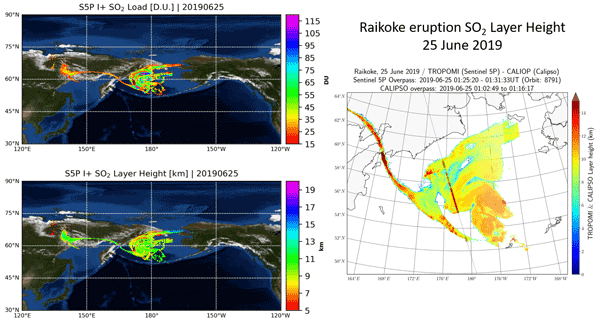
Volcanic eruptions eject large amounts of ash and trace gases into the atmosphere. The use of space-borne instruments enables the global monitoring of volcanic SO2 emissions in an economical and risk-free manner. The main aim of this paper is to present its extensive verification, accomplished within the ESA S5P+I: SO2LH project, over major recent volcanic eruptions, against collocated space-borne measurements, as well as assess its impact on the forecasts provided by CAMS.

Peristera Paschou, Nikolaos Siomos, Alexandra Tsekeri, Alexandros Louridas, George Georgoussis, Volker Freudenthaler, Ioannis Binietoglou, George Tsaknakis, Alexandros Tavernarakis, Christos Evangelatos, Jonas von Bismarck, Thomas Kanitz, Charikleia Meleti, Eleni Marinou, and Vassilis Amiridis
Atmos. Meas. Tech., 15, 2299–2323, https://doi.org/10.5194/amt-15-2299-2022, https://doi.org/10.5194/amt-15-2299-2022, 2022
Short summary
Short summary
The eVe lidar delivers quality-assured aerosol and cloud optical properties according to the standards of ACTRIS. It is a mobile reference system for the validation of the ESA's Aeolus satellite mission (L2 aerosol and cloud products). eVe provides linear and circular polarisation measurements with Raman capabilities. Here, we describe the system design, the polarisation calibration techniques, and the software for the retrieval of the optical products.
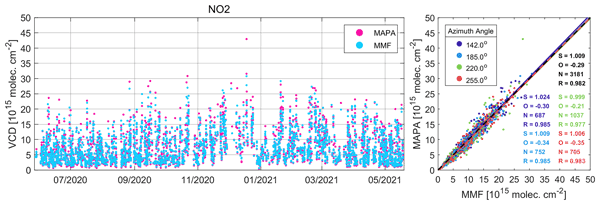
Dimitris Karagkiozidis, Martina Michaela Friedrich, Steffen Beirle, Alkiviadis Bais, François Hendrick, Kalliopi Artemis Voudouri, Ilias Fountoulakis, Angelos Karanikolas, Paraskevi Tzoumaka, Michel Van Roozendael, Dimitris Balis, and Thomas Wagner
Atmos. Meas. Tech., 15, 1269–1301, https://doi.org/10.5194/amt-15-1269-2022, https://doi.org/10.5194/amt-15-1269-2022, 2022
Short summary
Short summary
In this study we focus on the retrieval of aerosol, NO2, and HCHO vertical profiles from multi-axis differential optical absorption spectroscopy (MAX-DOAS) observations for the first time over Thessaloniki, Greece. We use two independent inversion algorithms for the profile retrievals. We evaluate their performance, we intercompare their results, and we validate their products with ancillary data, measured by other co-located reference instruments.
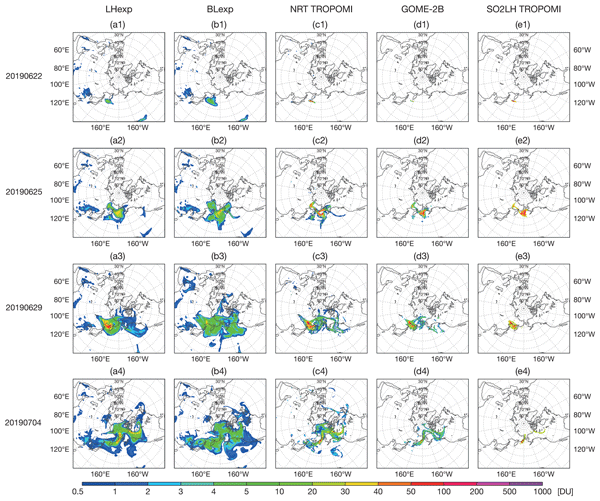
Antje Inness, Melanie Ades, Dimitris Balis, Dmitry Efremenko, Johannes Flemming, Pascal Hedelt, Maria-Elissavet Koukouli, Diego Loyola, and Roberto Ribas
Geosci. Model Dev., 15, 971–994, https://doi.org/10.5194/gmd-15-971-2022, https://doi.org/10.5194/gmd-15-971-2022, 2022
Short summary
Short summary
This paper describes the way that the Copernicus Atmosphere Monitoring Service (CAMS) produces forecasts of volcanic SO2. These forecasts are provided routinely every day. They are created by blending SO2 data from satellite instruments (TROPOMI and GOME-2) with the CAMS model. We show that the quality of the CAMS SO2 forecasts can be improved if additional information about the height of volcanic plumes is provided in the satellite data.
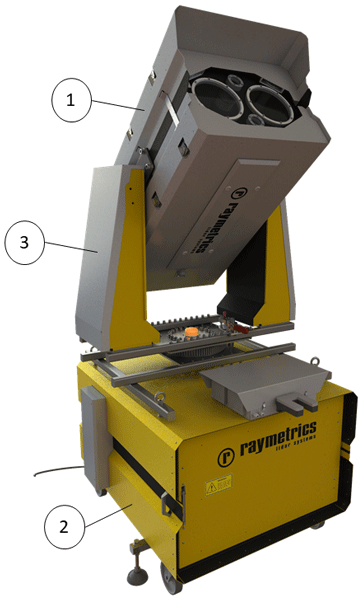
Alexandra Tsekeri, Vassilis Amiridis, Alexandros Louridas, George Georgoussis, Volker Freudenthaler, Spiros Metallinos, George Doxastakis, Josef Gasteiger, Nikolaos Siomos, Peristera Paschou, Thanasis Georgiou, George Tsaknakis, Christos Evangelatos, and Ioannis Binietoglou
Atmos. Meas. Tech., 14, 7453–7474, https://doi.org/10.5194/amt-14-7453-2021, https://doi.org/10.5194/amt-14-7453-2021, 2021
Short summary
Short summary
Dust orientation in the Earth's atmosphere has been an ongoing investigation in recent years, and its potential proof will be a paradigm shift for dust remote sensing. We have designed and developed a polarization lidar that provides direct measurements of dust orientation, as well as more detailed information of the particle microphysics. We provide a description of its design as well as its first measurements.
Cited articles
Amiridis, V., Balis, D. S., Giannakaki, E., Stohl, A., Kazadzis, S., Koukouli, M. E., and Zanis, P.: Optical characteristics of biomass burning aerosols over Southeastern Europe determined from UV-Raman lidar measurements, Atmos. Chem. Phys., 9, 2431–2440, https://doi.org/10.5194/acp-9-2431-2009, 2009.
Ansmann, A., Riebesell, M., and Weitkamp, C.: Measurement of atmospheric aerosol extinction profiles with a Raman lidar., Opt. Lett. 15, 746–748 , https://doi.org/10.1364/OL.15.000746, 1990.
Baars, H., Ansmann, A., Engelmann, R., and Althausen, D.: Continuous monitoring of the boundary-layer top with lidar, Atmos. Chem. Phys., 8, 7281–7296, https://doi.org/10.5194/acp-8-7281-2008, 2008.
Basart, S., Pérez, C., Nickovic, S., Cuevas, E., and Baldasano, J.: Development and evaluation of the BSC-DREAM8b dust regional model over Northern Africa, the Mediterranean and the Middle East, Tellus B, 64, https://doi.org/10.3402/tellusb.v64i0.18539, 2012.
Brooks, I. M.: Finding Boundary Layer Top: Application of a Wavelet Covariance Transform to Lidar Backscatter Profiles, J. Atmos. Ocean. Tech., 20, 1092–1105, https://doi.org/10.1175/1520-0426(2003)020<1092:FBLTAO>2.0.CO;2, 2003.
Burton, S. P., Hair, J. W., Kahnert, M., Ferrare, R. A., Hostetler, C. A., Cook, A. L., Harper, D. B., Berkoff, T. A., Seaman, S. T., Collins, J. E., Fenn, M. A., and Rogers, R. R.: Observations of the spectral dependence of linear particle depolarization ratio of aerosols using NASA Langley airborne High Spectral Resolution Lidar, Atmos. Chem. Phys., 15, 13453–13473, https://doi.org/10.5194/acp-15-13453-2015, 2015.
Charalampopoulos, A., Damialis, A., Lazarina, M., Halley, J. M., and Vokou, D.: Spatiotemporal Assessment of Airborne Pollen in the Urban Environment: The Pollenscape of Thessaloniki as a Case Study, Atmos. Environ., 247, 118185, https://doi.org/10.1016/j.atmosenv.2021.118185, 2021.
D'Amico, G., Amodeo, A., Baars, H., Binietoglou, I., Freudenthaler, V., Mattis, I., Wandinger, U., and Pappalardo, G.: EARLINET Single Calculus Chain – overview on methodology and strategy, Atmos. Meas. Tech., 8, 4891–4916, https://doi.org/10.5194/amt-8-4891-2015, 2015.
Damialis, A., Halley, J. M., Gioulekas, D., and Vokou, D.: Long-Term Trends in Atmospheric Pollen Levels in the City of Thessaloniki, Greece, Atmos. Environ., 41, 7011–7021, https://doi.org/10.1016/j.atmosenv.2007.05.009, 2007.
Damialis, A., Kaimakamis, E., Konoglou, M., Akritidis, I., Traidl-Hoffmann, C., and Gioulekas, D.: Estimating the Abundance of Airborne Pollen and Fungal Spores at Variable Elevations Using an Aircraft: How High Can They Fly?, Sci. Rep., 7, 1–11, https://doi.org/10.1038/srep44535, 2017.
Fernald, F. G.: Analysis of atmospheric lidar observations: some comments, Appl. Optics, 23, 652–653, https://doi.org/10.1364/AO.23.000652, 1984.
Ferrare, R. A., Melfi, S. H., Whiteman, D. N., Evans, K. D., and Leifer, R.: Raman lidar measurements of aerosol extinction and backscattering: 1. Methods and comparisons, J. Geophys. Res., 103, 19663–19672, https://doi.org/10.1029/98JD01646 1998.
Filioglou, M., Leskinen, A., Vakkari, V., O'Connor, E., Tuononen, M., Tuominen, P., Laukkanen, S., Toiviainen, L., Saarto, A., Shang, X., Tiitta, P., and Komppula, M.: Spectral dependence of birch and pine pollen optical properties using a synergy of lidar instruments, Atmos. Chem. Phys., 23, 9009–9021, https://doi.org/10.5194/acp-23-9009-2023, 2023.
Freudenthaler, V., Linné, H., Chaikovski, A., Rabus, D., and Groß, S.: EARLINET lidar quality assurance tools, Atmos. Meas. Tech. Discuss. [preprint], https://doi.org/10.5194/amt-2017-395, in review, 2018.
Gast, B., Jimenez, C., Ansmann, A., Haarig, M., Engelmann, R., Fritzsch, F., Floutsi, A. A., Griesche, H., Ohneiser, K., Hofer, J., Radenz, M., Baars, H., Seifert, P., and Wandinger, U.: Invisible aerosol layers: improved lidar detection capabilities by means of laser-induced aerosol fluorescence, Atmos. Chem. Phys., 25, 3995–4011, https://doi.org/10.5194/acp-25-3995-2025, 2025.
Gidarakou, M., Papayannis, A., Gao, K., Gidarakos, P., Crouzy, B., Foskinis, R., Erb, S., Brem, B. T., Zhang, C., Lieberherr, G., Collaud Coen, M., Sikoparija, B., Kanji, Z. A., Clot, B., Calpini, B., Giagka, E., and Nenes, A.: Profiling pollen and biomass burning particles over Payerne, Switzerland using laser-induced fluorescence lidar and in situ techniques during the 2023 PERICLES campaign, Atmos. Chem. Phys., 26, 923–945, https://doi.org/10.5194/acp-26-923-2026, 2026.
Gioulekas, D., Papakosta, D., Damialis, A., Spieksma, F., Giouleka, P., and Patakas, D.: Allergenic Pollen Records (15 Years) and Sensitization in Patients with Respiratory Allergy in Thessaloniki, Greece, Allergy, 59, 174–184, https://doi.org/10.1046/J.1398-9995.2003.00312.X, 2004.
Hu, Q., Goloub, P., Veselovskii, I., and Podvin, T.: The characterization of long-range transported North American biomass burning plumes: what can a multi-wavelength Mie–Raman-polarization-fluorescence lidar provide?, Atmos. Chem. Phys., 22, 5399–5414, https://doi.org/10.5194/acp-22-5399-2022, 2022.
Klett, J. D.: Stable analytical inversion solution for processing lidar returns, Appl. Optics, 20, 211–220, https://doi.org/10.1364/AO.20.000211, 1981.
Komnos, I., Michali, M., Ziavra, N., Katotomichelakis, M., and Kastanioudakis, I.: A Study of Airborne Pollen Grains and Fungal Spores in the Region of Epirus (Northwestern Greece), Cureus, 14, e26335, https://doi.org/10.7759/cureus.26335, 2022.
Mahalanobis, P. C.: Reprint of: Mahalanobis, P. C. (1936): “On the Generalised Distance in Statistics”, Sankhya A 80 (Suppl 1), 1–7, https://doi.org/10.1007/s13171-019-00164-5, 2018.
Michailidis, K.: Optical and microphysical properties of atmospheric aerosols based on ground-based and satellite remote sensing techniques, PhD thesis, Aristotle University of Thessaloniki, https://doi.org/10.12681/eadd/54664, 2023.
Michailidis, K., Garane, K., Karagkiozidis, D., Peletidou, G., Voudouri, K. A., Balis, D., and Bais, A.: Extreme wildfires over northern Greece during summer 2023 – Part A: Effects on aerosol optical properties and solar UV radiation, Atmos. Res., 311, 107700, https://doi.org/10.1016/j.atmosres.2024.107700, 2024.
Miri, R., Pujol, O., Hu, Q., Goloub, P., Veselovskii, I., Podvin, T., and Ducos, F.: Innovative aerosol hygroscopic growth study from Mie–Raman–fluorescence lidar and microwave radiometer synergy, Atmos. Meas. Tech., 17, 3367–3375, https://doi.org/10.5194/amt-17-3367-2024, 2024.
Miri, R., Pujol, O., Hu, Q., Goloub, P., Veselovskii, I., Podvin, T., and Ducos, F.: FLARE-GMM: an automatic aerosol typing model based on Mie-Raman-fluorescence lidar measurements with LILAS, EGUsphere [preprint], https://doi.org/10.5194/egusphere-2025-2822, 2025.
Mylonaki, M., Giannakaki, E., Papayannis, A., Papanikolaou, C.-A., Komppula, M., Nicolae, D., Papagiannopoulos, N., Amodeo, A., Baars, H., and Soupiona, O.: Aerosol type classification analysis using EARLINET multiwavelength and depolarization lidar observations, Atmos. Chem. Phys., 21, 2211–2227, https://doi.org/10.5194/acp-21-2211-2021, 2021.
Papadogiannaki, S., Karatzas, K., Kontos, S., Poupkou, A., and Melas, D.: A Multi-Model Approach to Pollen Season Estimations: Case Study for Olea and Quercus in Thessaloniki, Greece, Atmosphere, 16, 454, https://doi.org/10.3390/atmos16040454, 2025.
Papagiannopoulos, N., Mona, L., Amodeo, A., D'Amico, G., Gumà Claramunt, P., Pappalardo, G., Alados-Arboledas, L., Guerrero-Rascado, J. L., Amiridis, V., Kokkalis, P., Apituley, A., Baars, H., Schwarz, A., Wandinger, U., Binietoglou, I., Nicolae, D., Bortoli, D., Comerón, A., Rodríguez-Gómez, A., Sicard, M., Papayannis, A., and Wiegner, M.: An automatic observation-based aerosol typing method for EARLINET, Atmos. Chem. Phys., 18, 15879–15901, https://doi.org/10.5194/acp-18-15879-2018, 2018.
Parrington, M. and Di Tomaso, E.: Monitoring the 2024 Canada wildfires in CAMS, ECMWF Newsletter, 181, https://www.ecmwf.int/en/newsletter/181/news/monitoring-2024-canada-wildfires-cams (last access: 1 October 2026), 2024.
Paschou, P., Siomos, N., Tsekeri, A., Louridas, A., Georgoussis, G., Freudenthaler, V., Binietoglou, I., Tsaknakis, G., Tavernarakis, A., Evangelatos, C., von Bismarck, J., Kanitz, T., Meleti, C., Marinou, E., and Amiridis, V.: The eVe reference polarisation lidar system for the calibration and validation of the Aeolus L2A product, Atmos. Meas. Tech., 15, 2299–2323, https://doi.org/10.5194/amt-15-2299-2022, 2022.
Reichardt, J.: Cloud and Aerosol Spectroscopy with Raman Lidar, J. Atmos. Ocean. Tech., 31, 1946–1963, https://doi.org/10.1175/JTECH-D-13-00188.1, 2014.
Reichardt, J., Leinweber, R., and Schwebe, A.: Fluorescing aerosols and clouds: investigations of co-existence, EPJ Web Conf., 176, 05010, https://doi.org/10.1051/epjconf/201817605010, 2018.
Reichardt, J., Behrendt, O., and Lauermann, F.: Spectrometric fluorescence and Raman lidar: absolute calibration of aerosol fluorescence spectra and fluorescence correction of humidity measurements, Atmos. Meas. Tech., 16, 1–13, https://doi.org/10.5194/amt-16-1-2023, 2023.
Reichardt, J., Lauermann, F., and Behrendt, O.: Fluorescence spectra of atmospheric aerosols, Atmos. Chem. Phys., 25, 5857–5892, https://doi.org/10.5194/acp-25-5857-2025, 2025.
Saito, Y., Ichihara, K., Morishita, K., Uchiyama, K., Kobayashi, F., and Tomida, T.: Remote Detection of the Fluorescence Spectrum of Natural Pollens Floating in the Atmosphere Using a Laser Induced Fluorescence Spectrum (LIFS) Lidar, Remote Sens., 10, 1533, https://doi.org/10.3390/rs10101533, 2018.
Sassen, K.: Polarization in Lidar, in: Lidar: Range-Resolved Optical Remote Sensing of the Atmosphere, edited by: Weitkamp, C., Springer New York, New York, NY, 19–42, https://doi.org/10.1007/0-387-25101-4_2, 2005.
Siomos, N., Balis, D. S., Poupkou, A., Liora, N., Dimopoulos, S., Melas, D., Giannakaki, E., Filioglou, M., Basart, S., and Chaikovsky, A.: Investigating the quality of modeled aerosol profiles based on combined lidar and sunphotometer data, Atmos. Chem. Phys., 17, 7003–7023, https://doi.org/10.5194/acp-17-7003-2017, 2017.
Siomos, N., Balis, D. S., Voudouri, K. A., Giannakaki, E., Filioglou, M., Amiridis, V., Papayannis, A., and Fragkos, K.: Are EARLINET and AERONET climatologies consistent? The case of Thessaloniki, Greece, Atmos. Chem. Phys., 18, 11885–11903, https://doi.org/10.5194/acp-18-11885-2018, 2018.
Smith, G.: Sampling and Identifying Allergenic Pollens and Molds: An Illustrated Identification Manual for Air Samplers, Blewstone Press, ISBN 9780930961022, 2000.
Stein, A. F., Draxler, R. R., Rolph, G. D., Stunder, B. J. B., Cohen, M. D., and Ngan, F.: NOAA's hysplit atmospheric transport and dispersion modeling system, B. Am. Meteorol. Soc., 96, 2059–2077, https://www.ready.noaa.gov/HYSPLIT.php (last access: 29 January 2026), https://doi.org/10.1175/BAMS-D-14-00110.1, 2015.
Venable, D. D., Whiteman, D. N., Calhoun, M. N., Dirisu, A. O., Connell, R. M., and Landulfo, E.: Lamp mapping technique for independent determination of the water vapor mixing ratio calibration factor for a Raman lidar system, Appl. Optics, 50, 4622–4632, https://doi.org/10.1364/AO.50.004622, 2011.
Veselovskii, I., Hu, Q., Goloub, P., Podvin, T., Korenskiy, M., Pujol, O., Dubovik, O., and Lopatin, A.: Combined use of Mie–Raman and fluorescence lidar observations for improving aerosol characterization: feasibility experiment, Atmos. Meas. Tech., 13, 6691–6701, https://doi.org/10.5194/amt-13-6691-2020, 2020.
Veselovskii, I., Hu, Q., Goloub, P., Podvin, T., Choël, M., Visez, N., and Korenskiy, M.: Mie–Raman–fluorescence lidar observations of aerosols during pollen season in the north of France, Atmos. Meas. Tech., 14, 4773–4786, https://doi.org/10.5194/amt-14-4773-2021, 2021.
Veselovskii, I., Hu, Q., Ansmann, A., Goloub, P., Podvin, T., and Korenskiy, M.: Fluorescence lidar observations of wildfire smoke inside cirrus: a contribution to smoke–cirrus interaction research, Atmos. Chem. Phys., 22, 5209–5221, https://doi.org/10.5194/acp-22-5209-2022, 2022a.
Veselovskii, I., Hu, Q., Goloub, P., Podvin, T., Barchunov, B., and Korenskii, M.: Combining Mie–Raman and fluorescence observations: a step forward in aerosol classification with lidar technology, Atmos. Meas. Tech., 15, 4881–4900, https://doi.org/10.5194/amt-15-4881-2022, 2022b.
Veselovskii, I., Kasianik, N., Korenskii, M., Hu, Q., Goloub, P., Podvin, T., and Liu, D.: Multiwavelength fluorescence lidar observations of smoke plumes, Atmos. Meas. Tech., 16, 2055–2065, https://doi.org/10.5194/amt-16-2055-2023, 2023.
Veselovskii, I., Hu, Q., Goloub, P., Podvin, T., Dubois, G., Kolgotin, A., and Korenskii, M.: Impact of water uptake on fluorescence of atmospheric aerosols: insights from Mie–Raman–fluorescence lidar measurements, Atmos. Meas. Tech., 18, 6039–6051, https://doi.org/10.5194/amt-18-6039-2025, 2025.
Vokou, D., Charalampopoulos, A., Lazarina, M., Tsingani-Papanikolaou, O., Leontidou, K., Paschalidou, D., Damialis, A., and Hanlidou, E.: Plants on the Ground, Pollen in the Air: How Much Do They Match?, Aerobiologia (Bologna), 40, 485–499, https://doi.org/10.1007/s10453-024-09838-6, 2024.
Voudouri, K. A., Siomos, N., Michailidis, K., Papagiannopoulos, N., Mona, L., Cornacchia, C., Nicolae, D., and Balis, D.: Comparison of two automated aerosol typing methods and their application to an EARLINET station, Atmos. Chem. Phys., 19, 10961–10980, https://doi.org/10.5194/acp-19-10961-2019, 2019.
Voudouri, K. A., Siomos, N., Michailidis, K., D'Amico, G., Mattis, I., and Balis, D.: Consistency of the Single Calculus Chain Optical Products with Archived Measurements from an EARLINET Lidar Station, Remote Sens., 12, 3969, https://doi.org/10.3390/rs12233969, 2020.
Whiteman, D. N.: Examination of the traditional Raman lidar technique. II. Evaluating the ratios for water vapor and aerosols, Appl. Optics, 42, 2593–2608, https://doi.org/10.1364/AO.42.002593, 2003.
Short summary
The integration of fluorescence measurements into operational Raman lidar systems significantly improves the aerosol classification, particularly in complex environments such as the Eastern Mediterranean. The study support the future inclusion of spectral fluorescence capacity as an intensive parameter within EARLINET (European Aerosol Research Lidar Network) and ACTRIS (Aerosol, Clouds and Trace Gases Research Infrastructure) frameworks and underline the need for harmonized fluorescence retrievals across the different lidar configurations.
The integration of fluorescence measurements into operational Raman lidar systems significantly...


Altmetrics
Final-revised paper
Preprint