
Articles | Volume 26, issue 16
https://doi.org/10.5194/acp-26-11583-2026
© Author(s) 2026. This work is distributed under
the Creative Commons Attribution 4.0 License.
the Creative Commons Attribution 4.0 License.
https://doi.org/10.5194/acp-26-11583-2026
© Author(s) 2026. This work is distributed under
the Creative Commons Attribution 4.0 License.
the Creative Commons Attribution 4.0 License.
Research article
| 
17 Aug 2026
Research article |
| 17 Aug 2026
| 17 Aug 2026
Drivers of Atmospheric Volatile Methylated Sulfur Variability Across the Southern Ocean and Antarctic Coast

School of Chemistry, Monash University, Melbourne, VIC, Australia
Atmospheric Chemistry, Climate & Air Pollution, CSIRO Environment, Melbourne, VIC, Australia
Emily B. Franklin
Atmospheric Chemistry, Climate & Air Pollution, CSIRO Environment, Melbourne, VIC, Australia
Joel Alroe
School of Earth and Atmospheric Sciences, Queensland University of Technology, Brisbane, QLD, Australia
Karen Westwood
Department of Climate Change, Energy, the Environment and Water, Australian Antarctic Division, Hobart, TAS, Australia
Australian Antarctic Program Partnership, Institute for Marine and Antarctic Studies, University of Tasmania, Hobart, TAS, Australia
Brandon J. McNabb
Department of Earth, Ocean and Atmospheric Sciences, University of British Columbia, Vancouver, BC, Canada
Robert Strzepek
Australian Antarctic Program Partnership, Institute for Marine and Antarctic Studies, University of Tasmania, Hobart, TAS, Australia
Philippe D. Tortell
Department of Earth, Ocean and Atmospheric Sciences, University of British Columbia, Vancouver, BC, Canada
Steven T. Siems
School of Earth, Atmosphere and Environment, Monash University, Melbourne, VIC, Australia
Antonio Patti
School of Chemistry, Monash University, Melbourne, VIC, Australia
Suzie Molloy
Atmospheric Chemistry, Climate & Air Pollution, CSIRO Environment, Melbourne, VIC, Australia
Alan Griffiths
Australian Nuclear Science and Technology Organisation, Lucas Heights, NSW, Australia
Branka Miljevic
School of Earth and Atmospheric Sciences, Queensland University of Technology, Brisbane, QLD, Australia
Marc D. Mallet
Australian Antarctic Program Partnership, Institute for Marine and Antarctic Studies, University of Tasmania, Hobart, TAS, Australia
Ruhi Humphries
Atmospheric Chemistry, Climate & Air Pollution, CSIRO Environment, Melbourne, VIC, Australia
Erin Dunne
Atmospheric Chemistry, Climate & Air Pollution, CSIRO Environment, Melbourne, VIC, Australia
Related authors
No articles found.
Lara S. Richards, Yi Huang, Michael A. Barnes, Chenhui Jin, Fadhlil R. Muhammad, Daniel P. Harrison, and Steven T. Siems
Weather Clim. Dynam., 7, 1977–1993, https://doi.org/10.5194/wcd-7-1977-2026, https://doi.org/10.5194/wcd-7-1977-2026, 2026
Short summary
Short summary
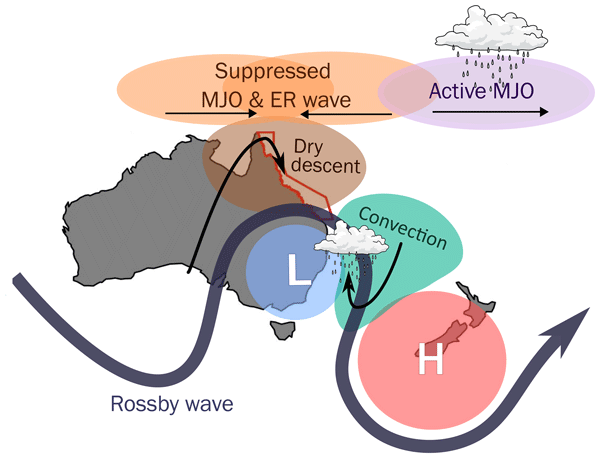
The doldrums are regions of light winds and relatively clear skies found in the tropics. They often occur during severe coral bleaching events on the Great Barrier Reef yet remain poorly understood. This study examines why the doldrums form and persist, identifying how both tropical and extratropical weather systems align to first form the doldrums and how the stalling of these weather systems prolongs the doldrums over the Great Barrier Reef.
Juha Sulo, Magdalena Okuljar, Joel Alroe, Zijun Li, Eva Johanna Horchler, Luke Cravigan, Branka Miljevic, Luke Harrison, Daniel Harrison, and Zoran Ristovski
Aerosol Research, 4, 413–427, https://doi.org/10.5194/ar-4-413-2026, https://doi.org/10.5194/ar-4-413-2026, 2026
Short summary
Short summary
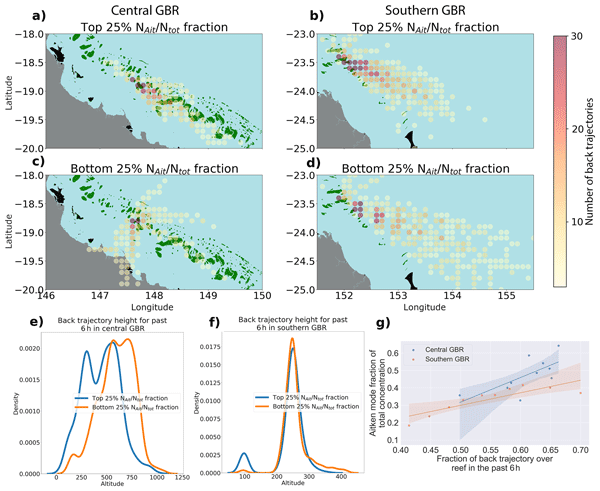
The Great Barrier Reef is the world’s largest coral reef system, and the air above it plays a role in cloud formation. Using direct measurements taken over several years, this study shows that although the reef has low aerosol concentrations, air that passes directly over coral reefs contains more very small particles, providing the first direct evidence that reefs add particles to the atmosphere. These locally produced particles make a measurable contribution to cloud formation over the reef.
Magdalena Okuljar, Juha Sulo, Joel Alroe, Zijun Li, Branka Miljevic, Daniel Harrison, and Zoran Ristovski
EGUsphere, https://doi.org/10.5194/egusphere-2026-4869, https://doi.org/10.5194/egusphere-2026-4869, 2026
Short summary
Short summary
The Great Barrier Reef is the largest coral reef system globally, yet the extent to which it contributes to local atmospheric particle loading remains poorly understood. This work focuses on particle formation processes observed during a six-week measurement campaign. Our results show that the reef ecosystem can influence local aerosol formation processes, with implications for regional cloud formation and climate feedbacks in marine ecosystems.
A. V. Sreenath, Peter T. May, Steven Siems, Heather Corden, and Alexis Berne
EGUsphere, https://doi.org/10.5194/egusphere-2026-4159, https://doi.org/10.5194/egusphere-2026-4159, 2026
Short summary
Short summary
We investigated how synoptic weather regimes control cloud growth and surface precipitation at Dumont d’Urville, East Antarctica. Multi-instrument observations show that synoptic forcing determines hydrometeor growth and precipitation formation aloft, while boundary-layer conditions, including local downslope flow and near-surface moisture, control how much precipitation reaches the surface.
Lindsay D. Yee, Emily B. Franklin, Robin J. Weber, Jessica Zhao, Tiger Zhang, Stephanie Xu, Isaac Santillan, Fangyuan Li, Coty N. Jen, Haofei Zhang, Yutong Liang, Gabriel Isaacman Van-Wertz, Rebecca A. Wernis, John Offenberg, Michael Lewandowski, Taekyu Joo, Masayuki Takeuchi, Gamze Eris, Weiqi Xu, Nga L. Ng, Yuzhi Chen, John E. Shilling, Mary Alice Upshur, Ariana Gray Bé, Regan J. Thomson, Franz M. Geiger, and Allen H. Goldstein
Atmos. Meas. Tech., 19, 5027–5049, https://doi.org/10.5194/amt-19-5027-2026, https://doi.org/10.5194/amt-19-5027-2026, 2026
Short summary
Short summary
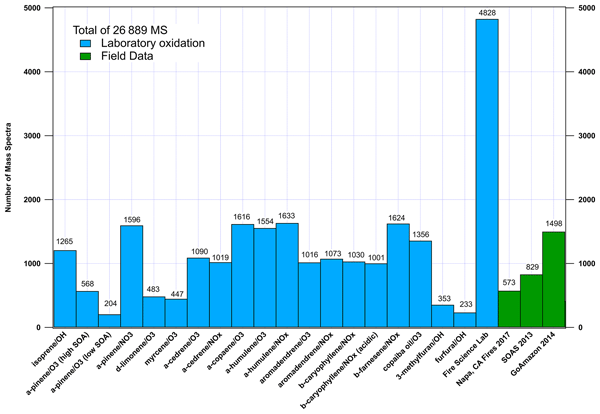
An open-access mass spectral database of identified and unidentified compounds in atmospheric and laboratory-generated organic aerosols is released to aid in future molecular discoveries in the environmental sciences. Identification of air pollution sources and origins is improved using the ~27,000 mass spectral records in the University of California Berkeley Goldstein Library of Organic Biogenic Environmental Spectra (UCB-GLOBES) database.
Xiaoshen Sun, Chris Medcraft, Ramon Braga, Peter Butcherine, Zoran Ristovski, Steven Siems, Christian J. Sanders, and Daniel P. Harrison
EGUsphere, https://doi.org/10.5194/egusphere-2026-1729, https://doi.org/10.5194/egusphere-2026-1729, 2026
This preprint is open for discussion and under review for Atmospheric Measurement Techniques (AMT).
Short summary
Short summary
We propose a novel method to detect and track sea spray particles released during marine cloud brightening (MCB) over the Great Barrier Reef. Using aircraft measurements, we showed that these released particles can be separated from the research ship and aircraft exhaust and tracked as they spread horizontally and vertically. This improves our ability to trace added sea spray aerosols and supports future work on how they may affect clouds.
Rebecca L. Jackson, Matthew T. Woodhouse, Mark Baird, Clothilde Langlais, Mathieu Mongin, Anthony Jones, Daniel Partridge, Luke Harrison, Johanna Horchler, Joel Alroe, Luke Cravigan, Zoran Ristovski, and Daniel P. Harrison
EGUsphere, https://doi.org/10.5194/egusphere-2026-2761, https://doi.org/10.5194/egusphere-2026-2761, 2026
Short summary
Short summary
ACCESS-EMS-GBR is a regional coupled atmosphere-ocean model of the Great Barrier Reef. It simulates aerosol and cloud processes in the atmosphere, plus hydrodynamics, biogeochemistry and ecological processes in the marine environment. Developed to assess the effects of Marine Cloud Brightening on coral bleaching, it is the first regional model able to simulate how aerosol emissions affect clouds, radiation and the underlying reef ecosystem and is ideal for a range of atmosphere-ocean studies.
Jonas Enarsson, Vilhelm Malmborg, Branka Miljevic, Axel Eriksson, Hao Wang, Zoran Ristovski, and Aneta Wierzbicka
EGUsphere, https://doi.org/10.5194/egusphere-2026-3807, https://doi.org/10.5194/egusphere-2026-3807, 2026
Short summary
Short summary
Reactive oxygen species and oxidative potential are strongly linked to aerosol-induced adverse health effects and have emerged as widely used metrics for assessing particle toxicity. We found that soot-like particles can interfere with methods used to measure reactive oxygen species, causing misleading results. We have investigated this artefact and propose an explanation for the interference and a correction method that improves the accuracy of reactive oxygen species measurements.
Zhangcheng Pei, Sonya L. Fiddes, Marc D. Mallet, Matthew T. Woodhouse, Simon P. Alexander, Alain Protat, Kalli Furtado, and Paul R. Field
EGUsphere, https://doi.org/10.5194/egusphere-2026-3541, https://doi.org/10.5194/egusphere-2026-3541, 2026
This preprint is open for discussion and under review for Atmospheric Chemistry and Physics (ACP).
Short summary
Short summary
Climate models misrepresent Southern Ocean clouds, causing warming biases. Using ship data, we updated a weather model to test how sea spray affects cloud ice. Adding realistic ocean particles prevents deep clouds from freezing too fast, correcting sunlight trasmissions. Yet, shallow clouds remain flawed due to missing moisture. Thus, accurate climate predictions require improving both aerosol-cloud interactions and large-scale weather dynamics.
Anna M. Ukkola, Steven Thomas, Elisabeth Vogel, Ulrike Bende-Michl, Steven Siems, Vjekoslav Matic, and Wendy Sharples
Hydrol. Earth Syst. Sci., 30, 1463–1485, https://doi.org/10.5194/hess-30-1463-2026, https://doi.org/10.5194/hess-30-1463-2026, 2026
Short summary
Short summary
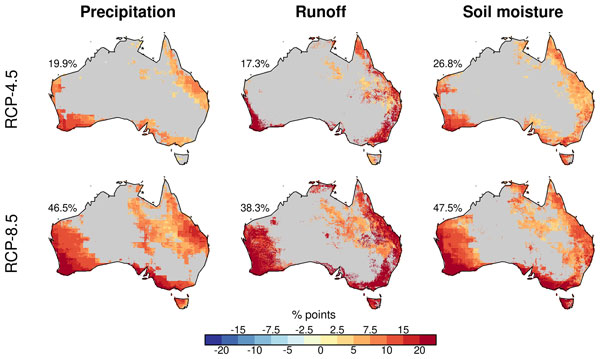
Future drought changes in Australia –the driest inhabited continent on Earth– have remained stubbornly uncertain. We assess future drought changes in Australia using projections from climate and hydrological models. We show an increasing probability of drought in highly-populated and agricultural regions of Australia in coming decades, suggesting potential impacts on agricultural activities, ecosystems and urban water supply.
Wenhui Zhao, Yi Huang, Steven Siems, and Daniel Harrison
EGUsphere, https://doi.org/10.5194/egusphere-2026-1251, https://doi.org/10.5194/egusphere-2026-1251, 2026
Short summary
Short summary
Using convection-permitting WRF simulations, this study examines how marine cloud brightening over the GBR depends on aerosol emission strength and spatial distribution. Densely spaced sources generate more uniform aerosol enhancements and stronger cloud microphysical responses than sparsely distributed sources, despite identical emissions. CDNC and optical depth increase strongly, indicating a dominant Twomey effect, while cloud water and coverage respond weakly.

Arathy A. Kurup, Caroline Poulsen, Steven T. Siems, and Daniel J. V. Robbins
Atmos. Meas. Tech., 19, 1487–1514, https://doi.org/10.5194/amt-19-1487-2026, https://doi.org/10.5194/amt-19-1487-2026, 2026
Short summary
Short summary
Southern Ocean (SO) clouds are crucial in defining the Earth's radiation budget. They are primarily observed by satellites, due to a lack of surface observations. This study validated cloud top height and cloud mask and compared the microphysics products from 3 satellite cloud datasets over the SO. The study revealed significant differences in cloud property retrievals between the sensors. Multilayer clouds play a major role in the differences when validated with active satellite measurements.

Lara S. Richards, Steven T. Siems, Yi Huang, Daniel P. Harrison, and Wenhui Zhao
Weather Clim. Dynam., 7, 109–127, https://doi.org/10.5194/wcd-7-109-2026, https://doi.org/10.5194/wcd-7-109-2026, 2026
Short summary
Short summary
By studying the variability of the trade winds during the Great Barrier Reef coral bleaching season, we show that ocean heating and a higher risk of coral bleaching are linked to the breakdown of the trade winds into either calm and clear conditions or a monsoon-like northerly flow. Years with mass coral bleaching are also associated with more "calm and clear" days in the warmest months and fewer strong trade wind days on the fringe months of the bleaching season.
A. V. Sreenath, Tahereh Alinejadtabrizi, Steven Siems, Peter T. May, Haifeng Zhang, and Eric Schulz
Weather Clim. Dynam., 6, 1797–1813, https://doi.org/10.5194/wcd-6-1797-2025, https://doi.org/10.5194/wcd-6-1797-2025, 2025
Short summary
Short summary
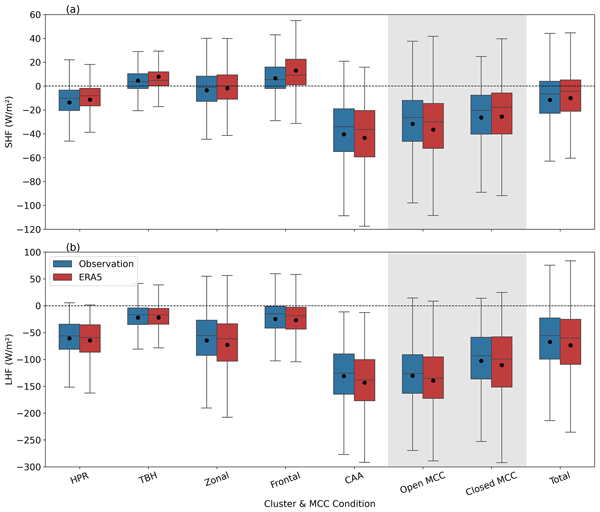
Using 14 years of observations from mooring, we reported that cold air advection creates intense surface flux exchange over the southern ocean, linked with strong boundary layer instability. Results also indicate that cold air advection creates frequent open mesoscale cellular convective clouds. The flux exchange for open and closed mesoscale cellular convective clouds is comparable, suggesting a limited role of the surface flux in the transition of these boundary layer clouds.
Zhaoyang Kong, Andrew T. Prata, Peter T. May, Ariaan Purich, Yi Huang, and Steven T. Siems
Weather Clim. Dynam., 6, 1643–1660, https://doi.org/10.5194/wcd-6-1643-2025, https://doi.org/10.5194/wcd-6-1643-2025, 2025
Short summary
Short summary
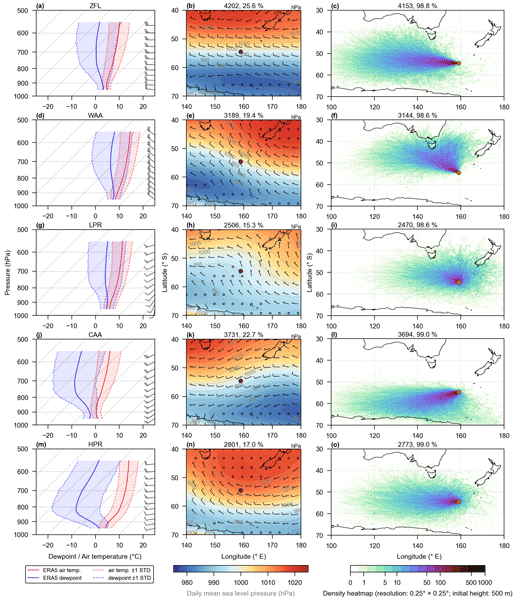
To investigate why ERA5 (European Centre for Medium-Range Weather Forecasts Reanalysis v5) does not accurately capture the observed increase in annual precipitation at Macquarie Island during 1979 to 2023, we classify daily synoptic systems using k-means clustering. Find that the increase in mean intensity across all systems is the main contributor to the observed annual precipitation trend and the resulting discrepancy, rather than changes in the frequency. And this increase may also have a substantial impact on the freshwater fluxes over the Southern Ocean.
Sonya L. Fiddes, Matthew T. Woodhouse, Marc D. Mallet, Liam J. Lamprey, Ruhi S. Humphries, Alain Protat, Simon P. Alexander, Hakase Hayashida, Samuel Putland, Branka Miljevic, and Robyn Schofield
Atmos. Chem. Phys., 25, 16451–16477, https://doi.org/10.5194/acp-25-16451-2025, https://doi.org/10.5194/acp-25-16451-2025, 2025
Short summary
Short summary
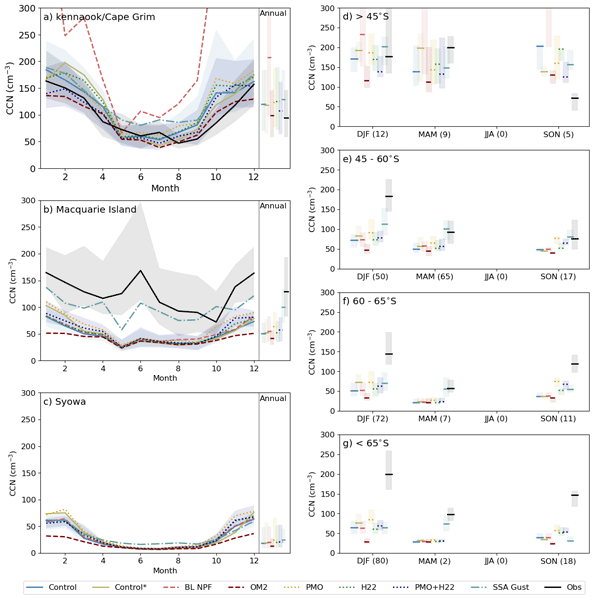
The interaction between natural marine aerosols, clouds and radiation in the Southern Ocean is a major source of uncertainty in climate models. We evaluate the Australian climate model using aerosol observations and find it underestimates aerosol number often by over 50%. Model changes were tested to improve aerosol concentrations, but some of our changes had severe negative effects on the larger climate system, highlighting issues in aerosol-cloud interaction modelling.
Scott D. Chambers, Ute Karstens, Alan D. Griffiths, Stefan Röttger, Arnoud Frumau, Christopher T. Roulston, Peter Sperlich, Felix Vogel, Agnieszka Podstawczyńska, Dafina Kikaj, Maksym Gachkivskyi, Michel Ramonet, Blagoj Mitrevski, Janja Vaupotič, Xuemeng Chen, and Annette Röttger
EGUsphere, https://doi.org/10.5194/egusphere-2025-5042, https://doi.org/10.5194/egusphere-2025-5042, 2025
Short summary
Short summary
The Radon Tracer Method (RTM) is a top-down approach to estimate greenhouse gas emissions. While simple in principle, incorrect use can complicate interpretation of results. Based on observations from a range of contrasting sites, this article reviews the underlying assumptions and key considerations for applying the RTM. It also introduces the concept of coupling RTM analyses with nocturnal stability classification, to reduce uncertainty of fetch estimates and improve interpretation of results.
Yayla Sezginer, Kate Schuler, Emily Speciale, Adrian Marchetti, Claire Till, Ralph Till, and Philippe Tortell
Biogeosciences, 22, 5257–5281, https://doi.org/10.5194/bg-22-5257-2025, https://doi.org/10.5194/bg-22-5257-2025, 2025
Short summary
Short summary
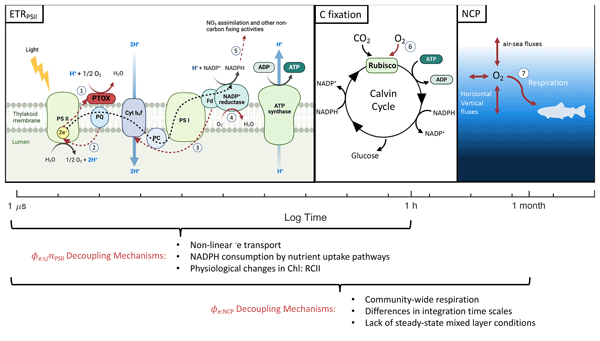
We recorded three metrics of photosynthesis in the California Current. Real-time observations of microalgae physiology and productivity revealed signs of iron limitation where the continental shelf rapidly dropped off. Iron limitation influenced how efficiently light was absorbed and used for carbon fixation but did not appear to affect net photosynthetic oxygen production. Our results offer useful insights into efforts to model carbon fixation rates from microalgae optical properties.
Yugo Kanaya, Roberto Sommariva, Alfonso Saiz-Lopez, Andrea Mazzeo, Theodore K. Koenig, Kaori Kawana, James E. Johnson, Aurélie Colomb, Pierre Tulet, Suzie Molloy, Ian E. Galbally, Rainer Volkamer, Anoop Mahajan, John W. Halfacre, Paul B. Shepson, Julia Schmale, Hélène Angot, Byron Blomquist, Matthew D. Shupe, Detlev Helmig, Junsu Gil, Meehye Lee, Sean C. Coburn, Ivan Ortega, Gao Chen, James Lee, Kenneth C. Aikin, David D. Parrish, John S. Holloway, Thomas B. Ryerson, Ilana B. Pollack, Eric J. Williams, Brian M. Lerner, Andrew J. Weinheimer, Teresa Campos, Frank M. Flocke, J. Ryan Spackman, Ilann Bourgeois, Jeff Peischl, Chelsea R. Thompson, Ralf M. Staebler, Amir A. Aliabadi, Wanmin Gong, Roeland Van Malderen, Anne M. Thompson, Ryan M. Stauffer, Debra E. Kollonige, Juan Carlos Gómez Martin, Masatomo Fujiwara, Katie Read, Matthew Rowlinson, Keiichi Sato, Junichi Kurokawa, Yoko Iwamoto, Fumikazu Taketani, Hisahiro Takashima, Mónica Navarro-Comas, Marios Panagi, and Martin G. Schultz
Earth Syst. Sci. Data, 17, 4901–4932, https://doi.org/10.5194/essd-17-4901-2025, https://doi.org/10.5194/essd-17-4901-2025, 2025
Short summary
Short summary
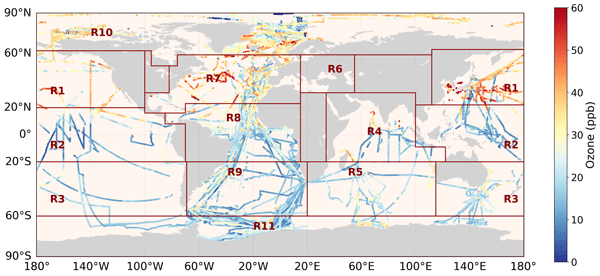
The first comprehensive dataset of tropospheric ozone over oceans/polar regions is presented, including 77 ship/buoy and 48 aircraft campaign observations (1977–2022, 0–5000 m altitude), supplemented by ozonesonde and surface data. Air masses isolated from land for 72+ hours are systematically selected as essentially oceanic. Among the 11 global regions, they show daytime decreases of 11–16 % in the tropics, while near-zero depletions are rare, unlike in the Arctic, implying different mechanisms.
E. Johanna Horchler, Joel Alroe, Luke Harrison, Luke Cravigan, Daniel P. Harrison, and Zoran D. Ristovski
Atmos. Chem. Phys., 25, 10075–10087, https://doi.org/10.5194/acp-25-10075-2025, https://doi.org/10.5194/acp-25-10075-2025, 2025
Short summary
Short summary
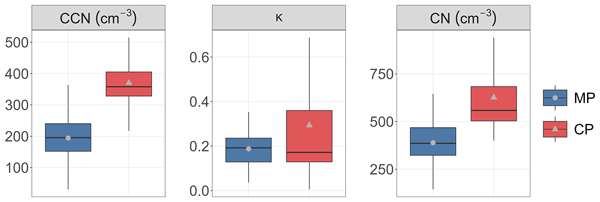
Aerosols play a role in global climate by interacting with incoming solar radiation and by taking up water vapour from the atmosphere to form clouds. Enhancing local-scale cloud cover can reduce sea surface temperatures. Coral bleaching events have increased in the Great Barrier Reef (GBR) as sea surface temperatures have risen. Our study found that the number of aerosols and the cloud-forming ability over the GBR increased if the aerosols were transported from inland Australia rather than the ocean.
Jhonathan Ramirez-Gamboa, Clare Paton-Walsh, Melita Keywood, Ruhi Humphries, Asher Mouat, Jennifer Kaiser, Malcom Possell, Jack Simmons, and Travis Naylor
Atmos. Chem. Phys., 25, 9937–9955, https://doi.org/10.5194/acp-25-9937-2025, https://doi.org/10.5194/acp-25-9937-2025, 2025
Short summary
Short summary
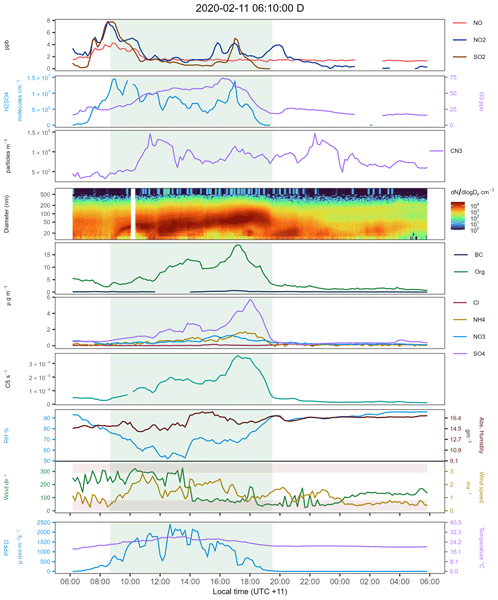
Tiny air particles (aerosols) influence clouds, sunlight, and air chemistry. Our study examined how these particles form in a plant-rich region of Southeast Australia. We found frequent new particle formation (NPF) events, often linked to pollution plumes. Volatile organic compounds (VOCs) from plants and other factors influence NPF and aerosol growth. Nighttime NPF requires further study. Overall, plant emissions play a key role in aerosol formation in this region.
Yik-Sze Lau, Zoran Ristovski, and Branka Miljevic
Atmos. Meas. Tech., 18, 3945–3958, https://doi.org/10.5194/amt-18-3945-2025, https://doi.org/10.5194/amt-18-3945-2025, 2025
Short summary
Short summary
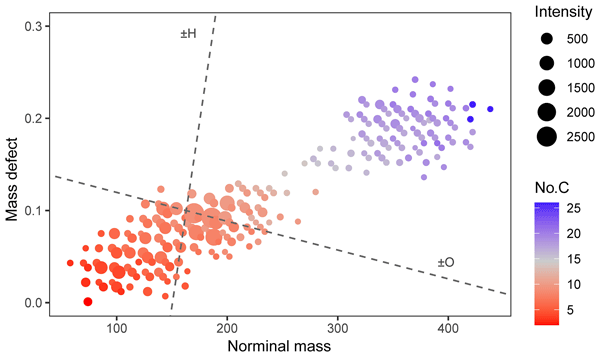
The chemical properties of aerosols in the atmosphere significantly influence their impact on global climate and human health. The current study constructed an instrumental system (HEAC (high-efficiency aerosol collector)/ESI (electrospray ionisation)-Orbitrap-MS (mass spectrometer)) for the real-time chemical analysis of aerosol samples. The combined system successfully identified over 30 chemical compounds in aerosol samples in real time, showing the robustness of the technique for the chemical characterisation of aerosols under atmospherically relevant conditions.
Behnaz Alinaghipour, Sadegh Niazi, Robert Groth, Branka Miljevic, and Zoran Ristovski
Atmos. Meas. Tech., 18, 1063–1071, https://doi.org/10.5194/amt-18-1063-2025, https://doi.org/10.5194/amt-18-1063-2025, 2025
Short summary
Short summary
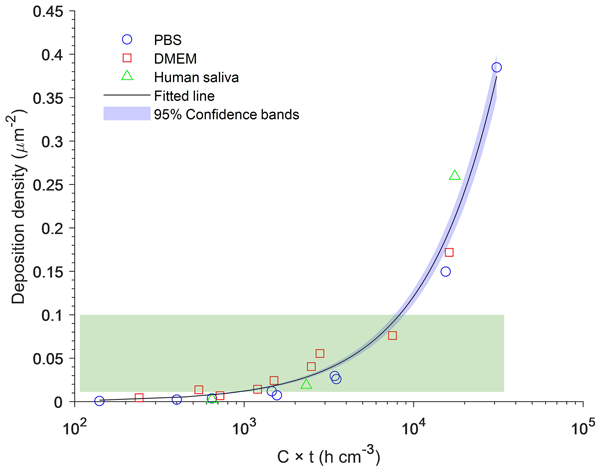
Airborne particles are crucial in environmental and health studies, requiring precise sampling for accurate characterisation. Our study examines the optimal sampling time for the TSI Nanometer Aerosol Sampler 3089 at different input concentrations. Aerosols from low-, medium-, and high-concentration environments were sampled over 1, 3, and 6 h. A linear relationship was observed using a regression model between the deposition densities and the product of input concentration and sampling time.
Tahereh Alinejadtabrizi, Yi Huang, Francisco Lang, Steven Siems, Michael Manton, Luis Ackermann, Melita Keywood, Ruhi Humphries, Paul Krummel, Alastair Williams, and Greg Ayers
Atmos. Chem. Phys., 25, 2631–2648, https://doi.org/10.5194/acp-25-2631-2025, https://doi.org/10.5194/acp-25-2631-2025, 2025
Short summary
Short summary
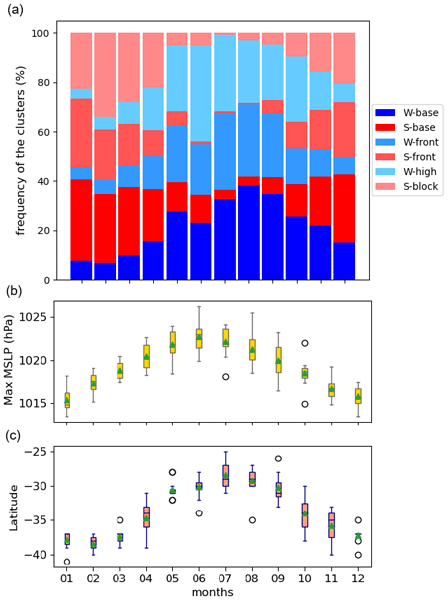
Clouds over the Southern Ocean are crucial to Earth's energy balance, but understanding the factors that control them is complex. Our research examines how weather patterns affect tiny particles called cloud condensation nuclei (CCN), which influence cloud properties. Using data from Kennaook / Cape Grim, we found that winter air from Antarctica brings cleaner conditions with lower CCN, while summer patterns from Australia transport more particles. Precipitation also helps reduce CCN in winter.
Dafina Kikaj, Edward Chung, Alan D. Griffiths, Scott D. Chambers, Grant Forster, Angelina Wenger, Penelope Pickers, Chris Rennick, Simon O'Doherty, Joseph Pitt, Kieran Stanley, Dickon Young, Leigh S. Fleming, Karina Adcock, Emmal Safi, and Tim Arnold
Atmos. Meas. Tech., 18, 151–175, https://doi.org/10.5194/amt-18-151-2025, https://doi.org/10.5194/amt-18-151-2025, 2025
Short summary
Short summary
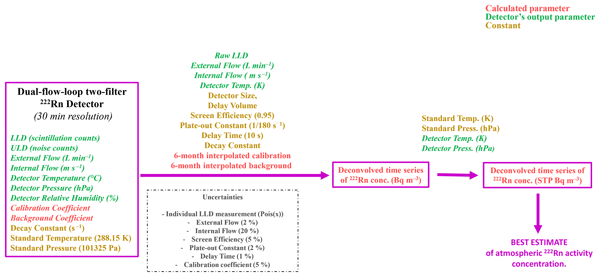
We present a protocol to improve confidence in atmospheric radon measurements, enabling site comparisons and integration with greenhouse gas data. As a natural tracer, radon provides an independent check of transport model performance. This standardized method enhances radon’s use as a metric for model evaluation. Beyond UK observatories, it can support broader networks like ICOS and WMO/GAW, advancing global atmospheric research.
Matthew Boyer, Diego Aliaga, Lauriane L. J. Quéléver, Silvia Bucci, Hélène Angot, Lubna Dada, Benjamin Heutte, Lisa Beck, Marina Duetsch, Andreas Stohl, Ivo Beck, Tiia Laurila, Nina Sarnela, Roseline C. Thakur, Branka Miljevic, Markku Kulmala, Tuukka Petäjä, Mikko Sipilä, Julia Schmale, and Tuija Jokinen
Atmos. Chem. Phys., 24, 12595–12621, https://doi.org/10.5194/acp-24-12595-2024, https://doi.org/10.5194/acp-24-12595-2024, 2024
Short summary
Short summary
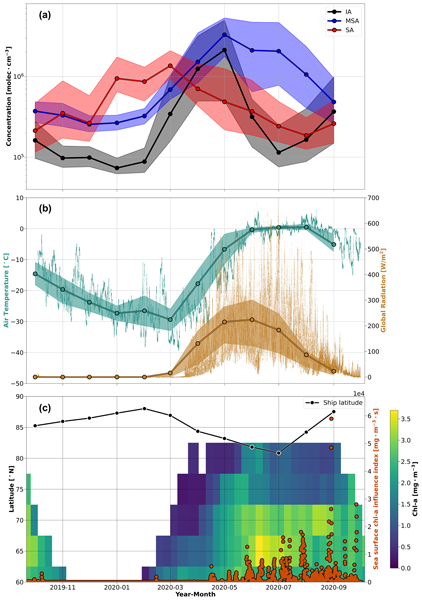
We analyze the seasonal cycle and sources of gases that are relevant for the formation of aerosol particles in the central Arctic. Since theses gases can form new particles, they can influence Arctic climate. We show that the sources of these gases are associated with changes in the Arctic environment during the year, especially with respect to sea ice. Therefore, the concentration of these gases will likely change in the future as the Arctic continues to warm.
Daniel J. V. Robbins, Caroline A. Poulsen, Steven T. Siems, Simon R. Proud, Andrew T. Prata, Roy G. Grainger, and Adam C. Povey
Atmos. Meas. Tech., 17, 3279–3302, https://doi.org/10.5194/amt-17-3279-2024, https://doi.org/10.5194/amt-17-3279-2024, 2024
Short summary
Short summary
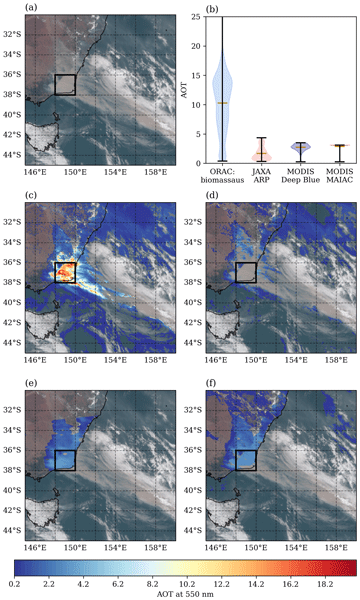
Extreme wildfire events are becoming more common with climate change. The smoke plumes associated with these wildfires are not captured by current operational satellite products due to their high optical thickness. We have developed a novel aerosol retrieval for the Advanced Himawari Imager to study these plumes. We find very high values of optical thickness not observed in other operational satellite products, suggesting these plumes have been missed in previous studies.
Jiaying A. Guo, Robert F. Strzepek, Kerrie M. Swadling, Ashley T. Townsend, and Lennart T. Bach
Biogeosciences, 21, 2335–2354, https://doi.org/10.5194/bg-21-2335-2024, https://doi.org/10.5194/bg-21-2335-2024, 2024
Short summary
Short summary
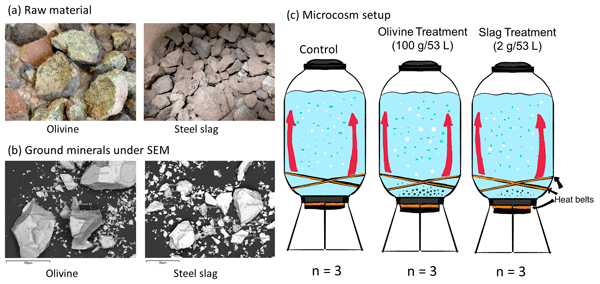
Ocean alkalinity enhancement aims to increase atmospheric CO2 sequestration by adding alkaline materials to the ocean. We assessed the environmental effects of olivine and steel slag powder on coastal plankton. Overall, slag is more efficient than olivine in releasing total alkalinity and, thus, in its ability to sequester CO2. Slag also had less environmental effect on the enclosed plankton communities when considering its higher CO2 removal potential based on this 3-week experiment.
Sonya L. Fiddes, Marc D. Mallet, Alain Protat, Matthew T. Woodhouse, Simon P. Alexander, and Kalli Furtado
Geosci. Model Dev., 17, 2641–2662, https://doi.org/10.5194/gmd-17-2641-2024, https://doi.org/10.5194/gmd-17-2641-2024, 2024
Short summary
Short summary
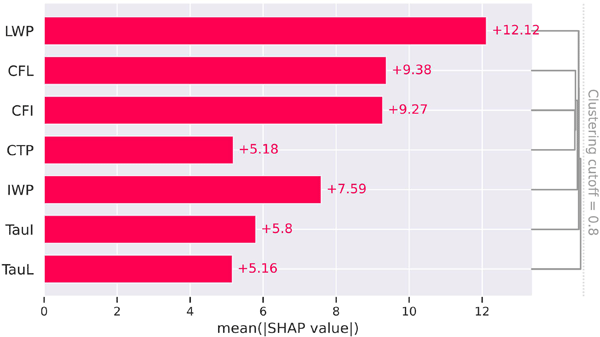
In this study we present an evaluation that considers complex, non-linear systems in a holistic manner. This study uses XGBoost, a machine learning algorithm, to predict the simulated Southern Ocean shortwave radiation bias in the ACCESS model using cloud property biases as predictors. We then used a novel feature importance analysis to quantify the role that each cloud bias plays in predicting the radiative bias, laying the foundation for advanced Earth system model evaluation and development.
Francisco Lang, Steven T. Siems, Yi Huang, Tahereh Alinejadtabrizi, and Luis Ackermann
Atmos. Chem. Phys., 24, 1451–1466, https://doi.org/10.5194/acp-24-1451-2024, https://doi.org/10.5194/acp-24-1451-2024, 2024
Short summary
Short summary
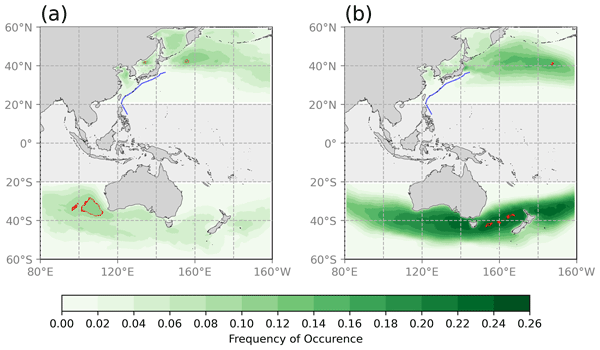
Marine low-level clouds play a crucial role in the Earth's energy balance, trapping heat from the surface and reflecting sunlight back into space. These clouds are distinguishable by their large-scale spatial structures, primarily characterized as hexagonal patterns with either filled (closed) or empty (open) cells. Utilizing satellite observations, these two cloud type patterns have been categorized over the Southern Ocean and North Pacific Ocean through a pattern recognition program.
Sacchidanandan Viruthasalam Pillai, M. Angelica Peña, Brandon J. McNabb, William J. Burt, and Philippe D. Tortell
EGUsphere, https://doi.org/10.5194/egusphere-2023-2851, https://doi.org/10.5194/egusphere-2023-2851, 2023
Preprint archived
Short summary
Short summary
We investigated how hyperspectral optical data collected in the North Pacific can be used to determine the phytoplankton community composition. We used the optically derived infomation of the phytoplankton community to examine the phytoplankton sizes, oceanographic controls and links to other biogeochemical variables. This work was motivated by the upcoming launch of the PACE satellite by NASA and the increased availability of hyperspectral optical measurements in oceanographic studies.
Zhangcheng Pei, Sonya L. Fiddes, W. John R. French, Simon P. Alexander, Marc D. Mallet, Peter Kuma, and Adrian McDonald
Atmos. Chem. Phys., 23, 14691–14714, https://doi.org/10.5194/acp-23-14691-2023, https://doi.org/10.5194/acp-23-14691-2023, 2023
Short summary
Short summary
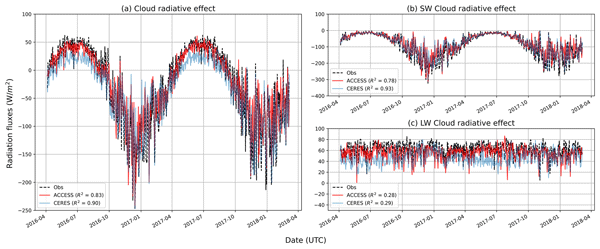
In this paper, we use ground-based observations to evaluate a climate model and a satellite product in simulating surface radiation and investigate how radiation biases are influenced by cloud properties over the Southern Ocean. We find that significant radiation biases exist in both the model and satellite. The cloud fraction and cloud occurrence play an important role in affecting radiation biases. We suggest further development for the model and satellite using ground-based observations.
Manon Rocco, Erin Dunne, Alexia Saint-Macary, Maija Peltola, Theresa Barthelmeß, Neill Barr, Karl Safi, Andrew Marriner, Stacy Deppeler, James Harnwell, Anja Engel, Aurélie Colomb, Alfonso Saiz-Lopez, Mike Harvey, Cliff S. Law, and Karine Sellegri
EGUsphere, https://doi.org/10.5194/egusphere-2023-516, https://doi.org/10.5194/egusphere-2023-516, 2023
Preprint archived
Short summary
Short summary
During the Sea2cloud campaign in the Southern Pacific Ocean, we measured air-sea emissions from phytopankton of two key atmospheric compounds: DMS and MeSH. These compounds are well-known to play a great role in atmospheric chemistry and climate. We see in this paper that these compounds are most emited by the nanophytoplankton population. We provide here parameters for climate models to predict future trends of the emissions of these compounds and their roles and impacts on the global warming.
Ruhi S. Humphries, Melita D. Keywood, Jason P. Ward, James Harnwell, Simon P. Alexander, Andrew R. Klekociuk, Keiichiro Hara, Ian M. McRobert, Alain Protat, Joel Alroe, Luke T. Cravigan, Branka Miljevic, Zoran D. Ristovski, Robyn Schofield, Stephen R. Wilson, Connor J. Flynn, Gourihar R. Kulkarni, Gerald G. Mace, Greg M. McFarquhar, Scott D. Chambers, Alastair G. Williams, and Alan D. Griffiths
Atmos. Chem. Phys., 23, 3749–3777, https://doi.org/10.5194/acp-23-3749-2023, https://doi.org/10.5194/acp-23-3749-2023, 2023
Short summary
Short summary
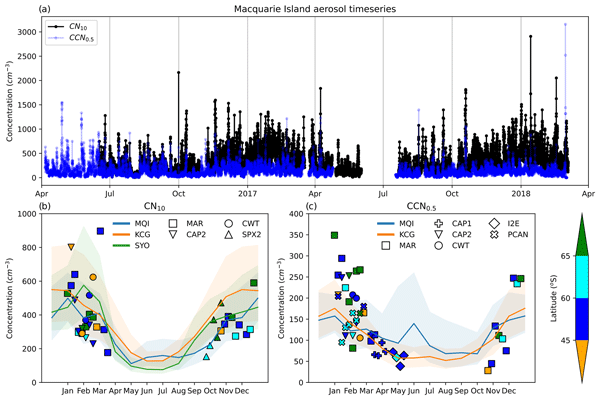
Observations of aerosols in pristine regions are rare but are vital to constraining the natural baseline from which climate simulations are calculated. Here we present recent seasonal observations of aerosols from the Southern Ocean and contrast them with measurements from Antarctica, Australia and regionally relevant voyages. Strong seasonal cycles persist, but striking differences occur at different latitudes. This study highlights the need for more long-term observations in remote regions.
Gerald G. Mace, Sally Benson, Ruhi Humphries, Peter M. Gombert, and Elizabeth Sterner
Atmos. Chem. Phys., 23, 1677–1685, https://doi.org/10.5194/acp-23-1677-2023, https://doi.org/10.5194/acp-23-1677-2023, 2023
Short summary
Short summary
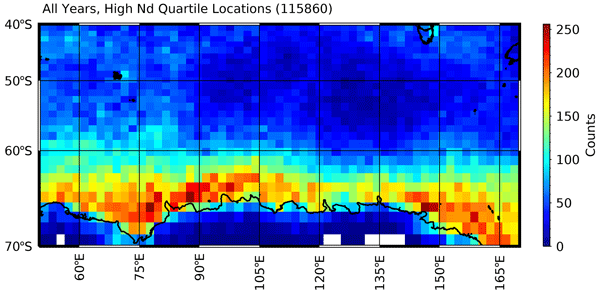
The number of cloud droplets per unit volume is a significantly important property of clouds that controls their reflective properties. Computer models of the Earth's atmosphere and climate have low skill at predicting the reflective properties of Southern Ocean clouds. Here we investigate the properties of those clouds using satellite data and find that the cloud droplet number and cloud albedo in the Southern Ocean are related to the oceanic phytoplankton abundance near Antarctica.
Sonya L. Fiddes, Alain Protat, Marc D. Mallet, Simon P. Alexander, and Matthew T. Woodhouse
Atmos. Chem. Phys., 22, 14603–14630, https://doi.org/10.5194/acp-22-14603-2022, https://doi.org/10.5194/acp-22-14603-2022, 2022
Short summary
Short summary
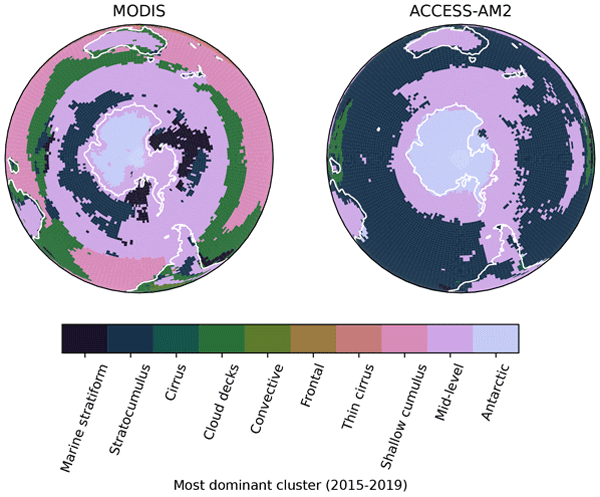
Climate models have difficulty simulating Southern Ocean clouds, impacting how much sunlight reaches the surface. We use machine learning to group different cloud types observed from satellites and simulated in a climate model. We find the model does a poor job of simulating the same cloud type as what the satellite shows and, even when it does, the cloud properties and amount of reflected sunlight are incorrect. We have a lot of work to do to model clouds correctly over the Southern Ocean.
Jiaying Abby Guo, Robert Strzepek, Anusuya Willis, Aaron Ferderer, and Lennart Thomas Bach
Biogeosciences, 19, 3683–3697, https://doi.org/10.5194/bg-19-3683-2022, https://doi.org/10.5194/bg-19-3683-2022, 2022
Short summary
Short summary
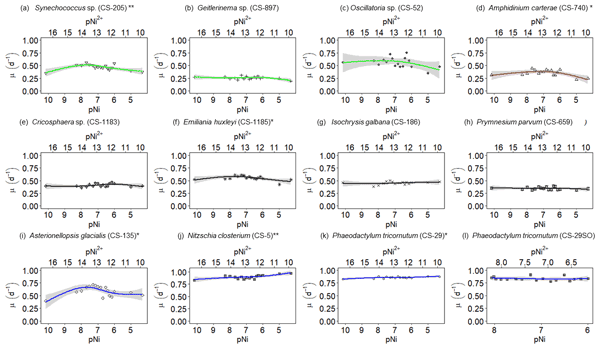
Ocean alkalinity enhancement is a CO2 removal method with significant potential, but it can lead to a perturbation of the ocean with trace metals such as nickel. This study tested the effect of increasing nickel concentrations on phytoplankton growth and photosynthesis. We found that the response to nickel varied across the 11 phytoplankton species tested here, but the majority were rather insensitive. We note, however, that responses may be different under other experimental conditions.

Emily B. Franklin, Lindsay D. Yee, Bernard Aumont, Robert J. Weber, Paul Grigas, and Allen H. Goldstein
Atmos. Meas. Tech., 15, 3779–3803, https://doi.org/10.5194/amt-15-3779-2022, https://doi.org/10.5194/amt-15-3779-2022, 2022
Short summary
Short summary
The composition of atmospheric aerosols are extremely complex, containing hundreds of thousands of estimated individual compounds. The majority of these compounds have never been catalogued in widely used databases, making them extremely difficult for atmospheric chemists to identify and analyze. In this work, we present Ch3MS-RF, a machine-learning-based model to enable characterization of complex mixtures and prediction of structure-specific properties of unidentifiable organic compounds.

Scott D. Chambers, Alan D. Griffiths, Alastair G. Williams, Ot Sisoutham, Viacheslav Morosh, Stefan Röttger, Florian Mertes, and Annette Röttger
Adv. Geosci., 57, 63–80, https://doi.org/10.5194/adgeo-57-63-2022, https://doi.org/10.5194/adgeo-57-63-2022, 2022
Short summary
Short summary
There is a growing need in health and climate research for high-quality radon observations. A variety of radon monitors, with different uncertainties, operate across global networks. Better compatibility between the measurements is required. Here we describe a novel, portable two-filter radon monitor with a calibration traceable to the International System of Units, and demonstrate the transfer of a traceable calibration from this instrument to a separate monitor under field conditions.
Daniel Robbins, Caroline Poulsen, Steven Siems, and Simon Proud
Atmos. Meas. Tech., 15, 3031–3051, https://doi.org/10.5194/amt-15-3031-2022, https://doi.org/10.5194/amt-15-3031-2022, 2022
Short summary
Short summary
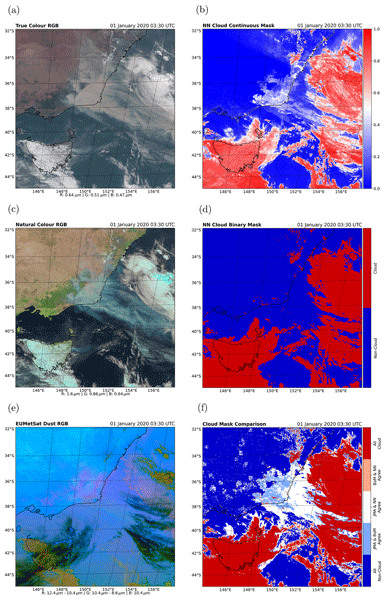
A neural network (NN)-based cloud mask for a geostationary satellite instrument, AHI, is developed using collocated data and is better at not classifying thick aerosols as clouds versus the Japanese Meteorological Association and the Bureau of Meteorology masks, identifying 1.13 and 1.29 times as many non-cloud pixels than each mask, respectively. The improvement during the day likely comes from including the shortest wavelength bands from AHI in the NN mask, which the other masks do not use.
Brandon J. McNabb and Philippe D. Tortell
Biogeosciences, 19, 1705–1721, https://doi.org/10.5194/bg-19-1705-2022, https://doi.org/10.5194/bg-19-1705-2022, 2022
Short summary
Short summary
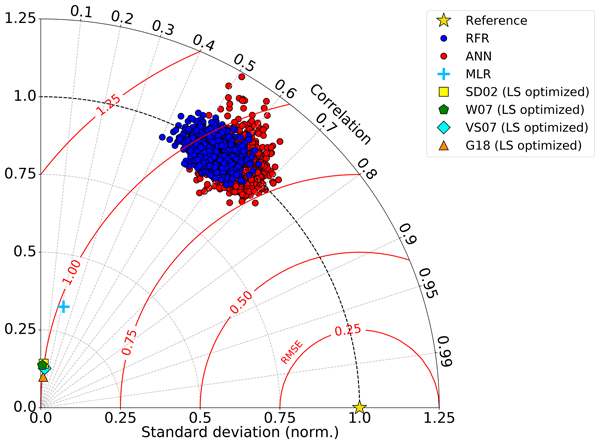
The trace gas dimethyl sulfide (DMS) plays an important role in the ocean sulfur cycle and can also influence Earth’s climate. Our study used two statistical methods to predict surface ocean concentrations and rates of sea–air exchange of DMS in the northeast subarctic Pacific. Our results show improved predictive power over previous approaches and suggest that nutrient availability, light-dependent processes, and physical mixing may be important controls on DMS in this region.
Peter Sperlich, Gordon W. Brailsford, Rowena C. Moss, John McGregor, Ross J. Martin, Sylvia Nichol, Sara Mikaloff-Fletcher, Beata Bukosa, Magda Mandic, C. Ian Schipper, Paul Krummel, and Alan D. Griffiths
Atmos. Meas. Tech., 15, 1631–1656, https://doi.org/10.5194/amt-15-1631-2022, https://doi.org/10.5194/amt-15-1631-2022, 2022
Short summary
Short summary
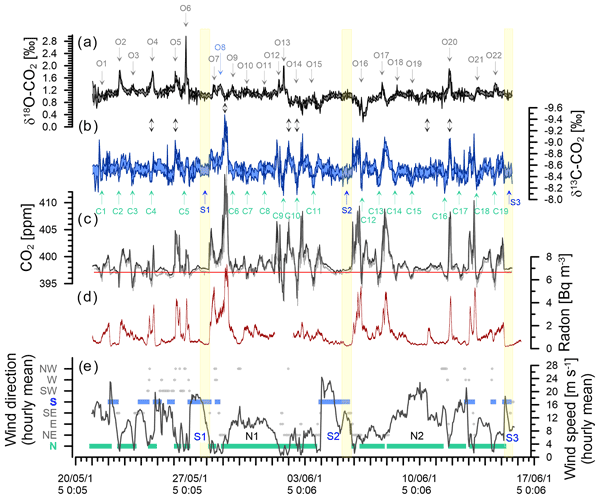
We tested an in situ analyser for carbon and oxygen isotopes in atmospheric CO2 at Baring Head, New Zealand’s observatory for Southern Ocean baseline air. The analyser was able to resolve regional signals of the terrestrial carbon cycle, although the analysis of small events was limited by analytical uncertainty. Further improvement of the instrument performance would be desirable for the robust analysis of distant signals and to resolve the small variability in Southern Ocean baseline air.
Zhenyi Chen, Robyn Schofield, Melita Keywood, Sam Cleland, Alastair G. Williams, Alan Griffiths, Stephen Wilson, Peter Rayner, and Xiaowen Shu
Atmos. Chem. Phys. Discuss., https://doi.org/10.5194/acp-2022-104, https://doi.org/10.5194/acp-2022-104, 2022
Revised manuscript not accepted
Short summary
Short summary
This study studied the marine boundary layer (MBL) process and aerosol properties in the Southern Ocean using miniMPL, ceilometer and sodar. Compared to the gradient method, the Image Edge Detection Algorithm provides more reliable boundary layer height estimations, especially when a convective MBL with stratification existed. The diurnal characteristic of BLH with the veering of the wind vector was also observed. Under the continental sources, the MBL maintained a well-mixed layer of 0.3 km.
Sonya L. Fiddes, Matthew T. Woodhouse, Steve Utembe, Robyn Schofield, Simon P. Alexander, Joel Alroe, Scott D. Chambers, Zhenyi Chen, Luke Cravigan, Erin Dunne, Ruhi S. Humphries, Graham Johnson, Melita D. Keywood, Todd P. Lane, Branka Miljevic, Yuko Omori, Alain Protat, Zoran Ristovski, Paul Selleck, Hilton B. Swan, Hiroshi Tanimoto, Jason P. Ward, and Alastair G. Williams
Atmos. Chem. Phys., 22, 2419–2445, https://doi.org/10.5194/acp-22-2419-2022, https://doi.org/10.5194/acp-22-2419-2022, 2022
Short summary
Short summary
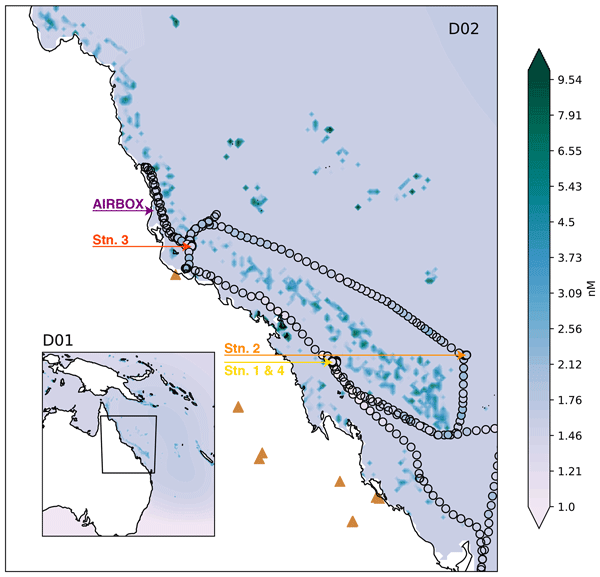
Coral reefs have been found to produce the climatically relevant chemical compound dimethyl sulfide (DMS). It has been suggested that corals can modify their environment via the production of DMS. We use an atmospheric chemistry model to test this theory at a regional scale for the first time. We find that it is unlikely that coral-reef-derived DMS has an influence over local climate, in part due to the proximity to terrestrial and anthropogenic aerosol sources.
Francisco Lang, Luis Ackermann, Yi Huang, Son C. H. Truong, Steven T. Siems, and Michael J. Manton
Atmos. Chem. Phys., 22, 2135–2152, https://doi.org/10.5194/acp-22-2135-2022, https://doi.org/10.5194/acp-22-2135-2022, 2022
Short summary
Short summary
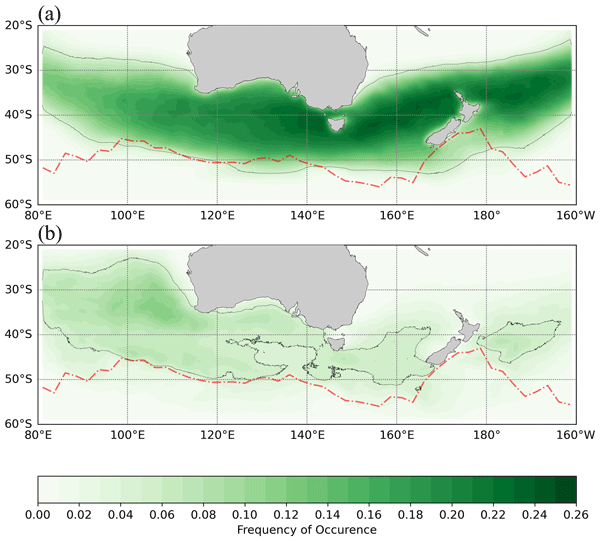
Marine low-level clouds cover vast areas of the Southern Ocean, and they are essential to the Earth system energy balance. We use 3 years of satellite observations to group low-level clouds by their spatial structure using a pattern-recognizing program. We studied two primary cloud type patterns, i.e. open and closed clouds. Open clouds are uniformly distributed over the storm track, while closed clouds are most predominant in the southeastern Indian Ocean. Closed clouds exhibit a daily cycle.
Delaney B. Kilgour, Gordon A. Novak, Jon S. Sauer, Alexia N. Moore, Julie Dinasquet, Sarah Amiri, Emily B. Franklin, Kathryn Mayer, Margaux Winter, Clare K. Morris, Tyler Price, Francesca Malfatti, Daniel R. Crocker, Christopher Lee, Christopher D. Cappa, Allen H. Goldstein, Kimberly A. Prather, and Timothy H. Bertram
Atmos. Chem. Phys., 22, 1601–1613, https://doi.org/10.5194/acp-22-1601-2022, https://doi.org/10.5194/acp-22-1601-2022, 2022
Short summary
Short summary
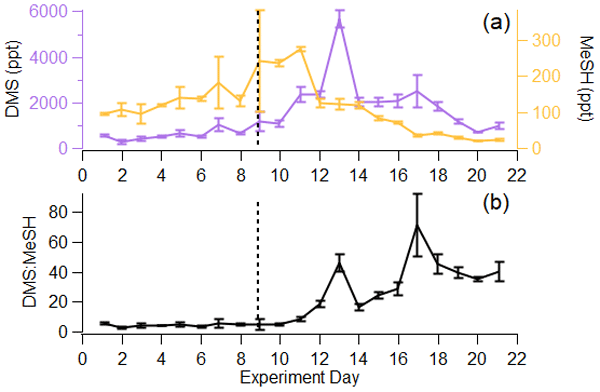
We report measurements of gas-phase volatile organosulfur molecules made during a mesocosm phytoplankton bloom experiment. Dimethyl sulfide (DMS), methanethiol (MeSH), and benzothiazole accounted for on average over 90 % of total gas-phase sulfur emissions. This work focuses on factors controlling the production and emission of DMS and MeSH and the role of non-DMS molecules (such as MeSH and benzothiazole) in secondary sulfate formation in coastal marine environments.
Paola Formenti, Claudia Di Biagio, Yue Huang, Jasper Kok, Marc Daniel Mallet, Damien Boulanger, and Mathieu Cazaunau
Atmos. Meas. Tech. Discuss., https://doi.org/10.5194/amt-2021-403, https://doi.org/10.5194/amt-2021-403, 2021
Publication in AMT not foreseen
Short summary
Short summary
This paper provides with standardized correction factors for the measurements of the most common instruments used in the atmosphere to measure the concentration per size of aerosol particles. These correction factors are provided to users with supplementary information for their use.
Cited articles
Allan, J. D., Delia, A. E., Coe, H., Bower, K. N., Alfarra, M., Jimenez, J. L., Middlebrook, A. M., Drewnick, F., Onasch, T. B., Canagaratna, M. R., Jayne, J. T., and Worsnop, D. R.: A generalised method for the extraction of chemically resolved mass spectra from Aerodyne aerosol mass spectrometer data, J. Aerosol Sci., 35, 909–922, https://doi.org/10.1016/j.jaerosci.2004.02.007, 2004. a
Andreae, M. O. and Crutzen, P. J.: Atmospheric Aerosols: Biogeochemical Sources and Role in Atmospheric Chemistry, Science, 276, 1052–1058, https://doi.org/10.1126/science.276.5315.1052, 1997. a
Archer, S., Leakey, R., Burkill, P., and Sleigh, M.: Microbial dynamics in coastal waters of East Antarctica: herbivory by heterotrophic dinoflagellates, Mar. Ecol. Prog. Ser., 139, 239–255, https://doi.org/10.3354/meps139239, 1996. a
Arnold, S. R., Spracklen, D. V., Gebhardt, S., Custer, T., Williams, J., Peeken, I., and Alvain, S.: Relationships between atmospheric organic compounds and air-mass exposure to marine biology, Environ. Chem., 7, 232–241, https://doi.org/10.1071/EN09144, 2010. a
Asher, E. C., Dacey, J. W. H., Mills, M. M., Arrigo, K. R., and Tortell, P. D.: High concentrations and turnover rates of DMS, DMSP and DMSO in Antarctic sea ice, Geophys. Res. Lett., 38, https://doi.org/10.1029/2011GL049712, 2011. a, b
Asher, E. C., Dacey, J. W. H., Jarniková, T., and Tortell, P. D.: Measurement of DMS, DMSO, and DMSP in natural waters by automated sequential chemical analysis, Limnol. Oceanogr.-Methods, 13, 451–462, https://doi.org/10.1002/lom3.10039, 2015. a, b
Asher, E. C., Dacey, J. W. H., Stukel, M., Long, M. C., and Tortell, P. D.: Processes driving seasonal variability in DMS, DMSP, and DMSO concentrations and turnover in coastal Antarctic waters, Limnol. Oceanogr., 62, 104–124, https://doi.org/10.1002/lno.10379, 2017. a, b
Bates, T. S., Lamb, B. K., Guenther, A., Dignon, J., and Stoiber, R. E.: Sulfur emissions to the atmosphere from natural sourees, J. Atmos. Chem., 14, 315–337, https://doi.org/10.1007/BF00115242, 2004. a
Berndt, T., Hoffmann, E. H., Tilgner, A., Stratmann, F., and Herrmann, H.: Direct sulfuric acid formation from the gas-phase oxidation of reduced-sulfur compounds, Nat. Commun., 14, 4849, https://doi.org/10.1038/s41467-023-40586-2, 2023. a
Berresheim, H.: Biogenic sulfur emissions from the Subantarctic and Antarctic Oceans, J. Geophys. Res.-Atmos., 92, 13245–13262, https://doi.org/10.1029/JD092iD11p13245, 1987. a
Berresheim, H. and Eisele, F. L.: Sulfur Chemistry in the Antarctic Troposphere Experiment: An overview of project SCATE, J. Geophys. Res.-Atmos., 103, 1619–1627, https://doi.org/10.1029/97JD00103, 1998. a, b
Bock, J., Michou, M., Nabat, P., Abe, M., Mulcahy, J. P., Olivié, D. J. L., Schwinger, J., Suntharalingam, P., Tjiputra, J., van Hulten, M., Watanabe, M., Yool, A., and Séférian, R.: Evaluation of ocean dimethylsulfide concentration and emission in CMIP6 models, Biogeosciences, 18, 3823–3860, https://doi.org/10.5194/bg-18-3823-2021, 2021. a
Bonan, G. B. and Doney, S. C.: Climate, ecosystems, and planetary futures: The challenge to predict life in Earth system models, Science, 359, https://doi.org/10.1126/science.aam8328, 2018. a
Breider, T. J., Chipperfield, M. P., Richards, N. a. D., Carslaw, K. S., Mann, G. W., and Spracklen, D. V.: Impact of BrO on dimethylsulfide in the remote marine boundary layer, Geophys. Res. Lett., 37, https://doi.org/10.1029/2009GL040868, 2010. a
Brimblecombe, P. and Shooter, D.: Photo-oxidation of dimethylsulphide in aqueous solution, Mar. Chem., 19, 343–353, https://doi.org/10.1016/0304-4203(86)90055-1, 1986. a, b
Buongiorno Nardelli, B.: A multi-year time series of observation-based 3D horizontal and vertical quasi-geostrophic global ocean currents, Earth Syst. Sci. Data, 12, 1711–1723, https://doi.org/10.5194/essd-12-1711-2020, 2020. a, b
Carslaw, K. S., Lee, L. A., Reddington, C. L., Pringle, K. J., Rap, A., Forster, P. M., Mann, G. W., Spracklen, D. V., Woodhouse, M. T., Regayre, L. A., and Pierce, J. R.: Large contribution of natural aerosols to uncertainty in indirect forcing, Nature, 503, 67–71, https://doi.org/10.1038/nature12674, 2013. a
Cavan, E. L., Belcher, A., Atkinson, A., Hill, S. L., Kawaguchi, S., McCormack, S., Meyer, B., Nicol, S., Ratnarajah, L., Schmidt, K., Steinberg, D. K., Tarling, G. A., and Boyd, P. W.: The importance of Antarctic krill in biogeochemical cycles, Nat. Commun., 10, 4742, https://doi.org/10.1038/s41467-019-12668-7, 2019. a
Charlson, R. J., Lovelock, J. E., Andreae, M. O., and Warren, S. G.: Oceanic phytoplankton, atmospheric sulphur, cloud albedo and climate, Nature, 326, 655–661, https://doi.org/10.1038/326655a0, 1987. a
Chen, J., Lane, J. R., Bates, K. H., and Kjaergaard, H. G.: Atmospheric Gas-Phase Formation of Methanesulfonic Acid, Environ. Sci. Technol., 57, 21168–21177, https://doi.org/10.1021/acs.est.3c07120, 2023. a
Chen, L., Wang, J., Gao, Y., Xu, G., Yang, X., Lin, Q., and Zhang, Y.: Latitudinal distributions of atmospheric MSA and MSA/nss-SO42− ratios in summer over the high latitude regions of the Southern and Northern Hemispheres, J. Geophys. Res.-Atmos., 117, https://doi.org/10.1029/2011JD016559, 2012. a
Chen, Q., Sherwen, T., Evans, M., and Alexander, B.: DMS oxidation and sulfur aerosol formation in the marine troposphere: a focus on reactive halogen and multiphase chemistry, Atmos. Chem. Phys., 18, 13617–13637, https://doi.org/10.5194/acp-18-13617-2018, 2018. a
Cheng, Y.-S.: Instruments and Samplers Based on Diffusional Separation, in: Aerosol Measurement, edited by: Kulkarni, P., Baron, P. A., and Willeke, K., John Wiley & Sons, Inc., https://doi.org/10.1002/9781118001684.ch16, 2011. a
Curran, M. A. J., Jones, G. B., and Burton, H.: Spatial distribution of dimethylsulfide and dimethylsulfoniopropionate in the Australasian sector of the Southern Ocean, J. Geophys. Res.-Atmos., 103, 16677–16689, https://doi.org/10.1029/97JD03453, 1998. a
Dacey, J. W. H., Wakeham, S. G., and Howes, B. L.: Henry's law constants for dimethylsulfide in freshwater and seawater, Geophys. Res. Lett., 11, 991–994, https://doi.org/10.1029/GL011i010p00991, 1984. a
Davis, D., Chen, G., Kasibhatla, P., Jefferson, A., Tanner, D., Eisele, F., Lenschow, D., Neff, W., and Berresheim, H.: DMS oxidation in the Antarctic marine boundary layer: Comparison of model simulations and held observations of DMS, DMSO, DMSO2, H2SO4(g), MSA(g), and MSA(p), J. Geophys. Res.-Atmos., 103, 1657–1678, https://doi.org/10.1029/97JD03452, 1998. a, b
EU Copernicus Marine Service Product: Multi Observation Global Ocean 3D Temperature Salinity Height Geostrophic Current and MLD, Mercator Ocean International [data set], https://doi.org/10.48670/moi-00052, 2024. a
Freer, J. J., Warwick-Evans, V., Skaret, G., Krafft, B. A., Fielding, S., and Trathan, P. N.: A new dynamic distribution model for Antarctic krill reveals interactions with their environment, predators, and the commercial fishery in the south Scotia Sea region, Limnol. Oceanogr., 70, 833–849, https://doi.org/10.1002/lno.12809, 2025. a
Galí, M., Kieber, D. J., Romera-Castillo, C., Kinsey, J. D., Devred, E., Pérez, G. L., Westby, G. R., Marrasé, C., Babin, M., Levasseur, M., Duarte, C. M., Agustí, S., and Simó, R.: CDOM Sources and Photobleaching Control Quantum Yields for Oceanic DMS Photolysis, Environ. Sci. Technol., 50, 13361–13370, https://doi.org/10.1021/acs.est.6b04278, 2016. a
Galí, M., Devred, E., Pérez, G. L., Kieber, D. J., and Simó, R.: Global Ocean dimethylsulfide photolysis rates quantified with a spectrally and vertically resolved model, Limnol. Oceanogr. Lett., 8, 760–769, https://doi.org/10.1002/lol2.10342, 2023. a, b
Goosse, H., Libera, S., Naveira Garabato, A. C., Richaud, B., Silvano, A., and Vancoppenolle, M.: Winter sea ice edge shaped by Antarctic Circumpolar Current pathways, The Cryosphere, 19, 5763–5779, https://doi.org/10.5194/tc-19-5763-2025, 2025. a
Halsey, K. H. and Giovannoni, S. J.: Biological controls on marine volatile organic compound emissions: A balancing act at the sea-air interface, Earth-Sci. Rev., 240, 104360, https://doi.org/10.1016/j.earscirev.2023.104360, 2023. a
Hamilton, D. S., Lee, L. A., Pringle, K. J., Reddington, C. L., Spracklen, D. V., and Carslaw, K. S.: Occurrence of pristine aerosol environments on a polluted planet, P. Natl. Acad. Sci. USA, 111, 18466–18471, https://doi.org/10.1073/PNAS.1415440111, 2014. a
Hayward, A., Pinkerton, M. H., and Gutierrez-Rodriguez, A.: phytoclass: A pigment-based chemotaxonomic method to determine the biomass of phytoplankton classes, Limnol. Oceanogr.-Methods, 21, 220–241, https://doi.org/10.1002/lom3.10541, 2023. a
Hayward, A., Pinkerton, M. H., Wright, S. W., Gutiérrez-Rodriguez, A., and Law, C. S.: Twenty-six years of phytoplankton pigments reveal a circumpolar Class Divide around the Southern Ocean, Commun. Earth Environ., 5, 92, https://doi.org/10.1038/s43247-024-01261-6, 2024. a, b, c
Hayward, A., Murray, T., Di Geronimo, S., Wright, S. W., Westwood, K., Aasim Khan, M., Gutiérrez-Rodríguez, A., and Pinkerton, M. H.: Phytoclass, Now with a GUI: Point-and-Click Pigment Chemotaxonomy, Limnol. Oceanogr. Bull., https://doi.org/10.1002/lob.70012, 2026. a
Heidemann, A. C., Westwood, K. J., Foppert, A., Wright, S. W., Klocker, A., Vives, C. R., Wotherspoon, S., and Bestley, S.: Drivers of phytoplankton distribution, abundance and community composition off East Antarctica, from 55–80° E (CCAMLR Division 58.4.2 East), Front. Mar. Sci., 11, https://doi.org/10.3389/fmars.2024.1454421, 2024. a, b
Hodshire, A. L., Campuzano-Jost, P., Kodros, J. K., Croft, B., Nault, B. A., Schroder, J. C., Jimenez, J. L., and Pierce, J. R.: The potential role of methanesulfonic acid (MSA) in aerosol formation and growth and the associated radiative forcings, Atmos. Chem. Phys., 19, 3137–3160, https://doi.org/10.5194/acp-19-3137-2019, 2019. a
Hoffmann, E. H., Tilgner, A., Schrödner, R., Bräuer, P., Wolke, R., and Herrmann, H.: An advanced modeling study on the impacts and atmospheric implications of multiphase dimethyl sulfide chemistry, P. Natl. Acad. Sci., 113, 11776–11781, https://doi.org/10.1073/pnas.1606320113, 2016. a, b
Hopkins, F. E., Archer, S. D., Bell, T. G., Suntharalingam, P., and Todd, J. D.: The biogeochemistry of marine dimethylsulfide, Nat. Rev. Earth Environ., 4, 361–376, https://doi.org/10.1038/s43017-023-00428-7, 2023. a, b, c
Hufford, G. E., McCartney, M. S., and Donohue, K. A.: Northern boundary currents and adjacent recirculations off southwestern Australia, Geophys. Res. Lett., 24, 2797–2800, https://doi.org/10.1029/97GL02278, 1997. a
Hulswar, S., Simó, R., Galí, M., Bell, T. G., Lana, A., Inamdar, S., Halloran, P. R., Manville, G., and Mahajan, A. S.: Third revision of the global surface seawater dimethyl sulfide climatology (DMS-Rev3), Earth Syst. Sci. Data, 14, 2963–2987, https://doi.org/10.5194/essd-14-2963-2022, 2022. a, b
Humphries, R. S., McRobert, I. M., Ponsonby, W. A., Ward, J. P., Keywood, M. D., Loh, Z. M., Krummel, P. B., and Harnwell, J.: Identification of platform exhaust on the RV Investigator, Atmos. Meas. Tech., 12, 3019–3038, https://doi.org/10.5194/amt-12-3019-2019, 2019. a, b, c
Humphries, R. S., Keywood, M. D., Gribben, S., McRobert, I. M., Ward, J. P., Selleck, P., Taylor, S., Harnwell, J., Flynn, C., Kulkarni, G. R., Mace, G. G., Protat, A., Alexander, S. P., and McFarquhar, G.: Southern Ocean latitudinal gradients of cloud condensation nuclei, Atmos. Chem. Phys., 21, 12757–12782, https://doi.org/10.5194/acp-21-12757-2021, 2021. a
Ishino, S., Willis, M. D., Angot, H., Bartels-Rausch, T., Crabeck, O., Delille, B., Dunne, E., Franklin, E., Haddon, A., Hayashida, H., Joge, S. D., Lapere, R., Lim, H.-G., Mahajan, A. S., Mallet, M. D., Manville, G., Marelle, L., Nomura, D., Pratt, K. A., Peeken, I., Price, R., Simó, R., Stefels, J., Thomas, J. L., Zang, C. L., and Steiner, N.: The biogenic sulfur cycle in the coupled ocean–sea ice–atmosphere system, Elementa: Science of the Anthropocene, 14, 1–60, https://doi.org/10.1525/elementa.2025.00067, 2026. a, b, c, d
Jacob, L. S. D., Harvey, B. E. H., Giorio, C., and Archibald, A. T.: Determining the key sources of uncertainty in dimethyl sulfide and methanethiol oxidation under tropical, temperate, and polar marine conditions, Atmos. Chem. Phys., 26, 3567–3587, https://doi.org/10.5194/acp-26-3567-2026, 2026. a, b, c, d
Jang, E., Park, K.-T., Yoon, Y. J., Kim, K., Gim, Y., Chung, H. Y., Lee, K., Choi, J., Park, J., Park, S.-J., Koo, J.-H., Fernandez, R. P., and Saiz-Lopez, A.: First-year sea ice leads to an increase in dimethyl sulfide-induced particle formation in the Antarctic Peninsula, Sci. Total Environ., 803, 150002, https://doi.org/10.1016/j.scitotenv.2021.150002, 2022. a
Jarníková, T. and Tortell, P. D.: Towards a revised climatology of summertime dimethylsulfide concentrations and sea–air fluxes in the Southern Ocean, Environ. Chem., 13, 364–378, https://doi.org/10.1071/EN14272, 2016. a, b, c
Jourdain, B. and Legrand, M.: Seasonal variations of atmospheric dimethylsulfide, dimethylsulfoxide, sulfur dioxide, methanesulfonate, and non-sea-salt sulfate aerosols at Dumont d'Urville (coastal Antarctica) (December 1998 to July 1999), J. Geophys. Res.-Atmos., 106, 14391–14408, https://doi.org/10.1029/2000JD900841, 2001. a
Kasamatsu, N., Kawaguchi, S., Watanabe, S., Odate, T., and Fukuchi, M.: Possible impacts of zooplankton grazing on dimethylsulfide production in the Antarctic Ocean, Can. J. Fish. Aquat. Sci., 61, 736–743, https://doi.org/10.1139/f04-072, 2004. a
Keller, M. D., Bellows, W. K., and Guillard, R. R. L.: Dimethyl Sulfide Production in Marine Phytoplankton, in: Biogenic Sulfur in the Environment, vol. 393 of ACS Symposium Series, 167–182, American Chemical Society, https://doi.org/10.1021/bk-1989-0393.ch011, 1989. a
Kettle, A. J., Andreae, M. O., Amouroux, D., Andreae, T. W., Bates, T. S., Berresheim, H., Bingemer, H., Boniforti, R., Curran, M. A. J., DiTullio, G. R., Helas, G., Jones, G. B., Keller, M. D., Kiene, R. P., Leck, C., Levasseur, M., Malin, G., Maspero, M., Matrai, P., McTaggart, A. R., Mihalopoulos, N., Nguyen, B. C., Novo, A., Putaud, J. P., Rapsomanikis, S., Roberts, G., Schebeske, G., Sharma, S., Simó, R., Staubes, R., Turner, S., and Uher, G.: A global database of sea surface dimethylsulfide (DMS) measurements and a procedure to predict sea surface DMS as a function of latitude, longitude, and month, Glob. Biogeochem. Cycles, 13, 399–444, https://doi.org/10.1029/1999GB900004, 1999. a, b
Kiene, R. P., Linn, L. J., González, J., Moran, M. A., and Bruton, J. A.: Dimethylsulfoniopropionate and methanethiol are important precursors of methionine and protein-sulfur in marine bacterioplankton, Appl. Environ. Microbiol., 65, 4549–4558, https://doi.org/10.1128/AEM.65.10.4549-4558.1999, 1999. a
Kilgour, D. B., Novak, G. A., Sauer, J. S., Moore, A. N., Dinasquet, J., Amiri, S., Franklin, E. B., Mayer, K., Winter, M., Morris, C. K., Price, T., Malfatti, F., Crocker, D. R., Lee, C., Cappa, C. D., Goldstein, A. H., Prather, K. A., and Bertram, T. H.: Marine gas-phase sulfur emissions during an induced phytoplankton bloom, Atmos. Chem. Phys., 22, 1601–1613, https://doi.org/10.5194/acp-22-1601-2022, 2022. a
Kilgour, D. B., Jernigan, C. M., Garmash, O., Aggarwal, S., Zhou, S., Mohr, C., Salter, M. E., Thornton, J. A., Wang, J., Zieger, P., and Bertram, T. H.: Cloud processing of dimethyl sulfide (DMS) oxidation products limits sulfur dioxide (SO2) and carbonyl sulfide (OCS) production in the eastern North Atlantic marine boundary layer, Atmos. Chem. Phys., 25, 1931–1947, https://doi.org/10.5194/acp-25-1931-2025, 2025. a
Kirst, G. O., Thiel, C., Wolff, H., Nothnagel, J., Wanzek, M., and Ulmke, R.: Dimethylsulfoniopropionate (DMSP) in icealgae and its possible biological role, Mar. Chem., 35, 381–388, https://doi.org/10.1016/S0304-4203(09)90030-5, 1991. a
Koga, S., Nomura, D., and Wada, M.: Variation of dimethylsulfide mixing ratio over the Southern Ocean from 36° S to 70° S, Polar Sci., 8, 306–313, https://doi.org/10.1016/j.polar.2014.04.002, 2014. a
Lana, A., Bell, T. G., Simó, R., Vallina, S. M., Ballabrera-Poy, J., Kettle, A. J., Dachs, J., Bopp, L., Saltzman, E. S., Stefels, J., Johnson, J. E., and Liss, P. S.: An updated climatology of surface dimethlysulfide concentrations and emission fluxes in the global ocean, Glob. Biogeochem. Cycles, 25, https://doi.org/10.1029/2010GB003850, 2011. a, b
Lawson, S. J., Law, C. S., Harvey, M. J., Bell, T. G., Walker, C. F., de Bruyn, W. J., and Saltzman, E. S.: Methanethiol, dimethyl sulfide and acetone over biologically productive waters in the southwest Pacific Ocean, Atmos. Chem. Phys., 20, 3061–3078, https://doi.org/10.5194/acp-20-3061-2020, 2020. a, b, c, d, e, f
Legrand, M., Sciare, J., Jourdain, B., and Genthon, C.: Subdaily variations of atmospheric dimethylsulfide, dimethylsulfoxide, methanesulfonate, and non-sea-salt sulfate aerosols in the atmospheric boundary layer at Dumont d'Urville (coastal Antarctica) during summer, J. Geophys. Res.-Atmos., 106, 14409–14422, https://doi.org/10.1029/2000JD900840, 2001. a
Levasseur, M., Gosselin, M., and Michaud, S.: A new source of dimethylsulfide (DMS) for the arctic atmosphere: ice diatoms, Mar. Biol., 121, 381–387, https://doi.org/10.1007/BF00346748, 1994. a
Mahajan, A. S., Fadnavis, S., Thomas, M. A., Pozzoli, L., Gupta, S., Royer, S.-J., Saiz-Lopez, A., and Simó, R.: Quantifying the impacts of an updated global dimethyl sulfide climatology on cloud microphysics and aerosol radiative forcing, J. Geophys. Res.-Atmos., 120, 2524–2536, https://doi.org/10.1002/2014JD022687, 2015. a
Mallet, M., Protat, A., Mace, G., Alroe, J., Barber, K., Alexander, S., Franklin, E., Bekemeier, C., Chambers, S., Crawford, H., Creamean, J., Dunne, E., Foppart, A., Griffiths, A., Harnwell, J., Humphries, R., Meyerink, S., Miljevic, B., Molloy, S., Mynard, C., Powell, J., Rintoul, S., Sodano, S., Taylor, S., Ward, J., Williams, A., and Winton, H.: Atmospheric observations from the MISO (Multidisciplinary Investigations of the Southern Ocean) voyage, in preparation, 2026. a
Mallet, M. D., Alexander, S. P., Protat, A., and Fiddes, S. L.: Reducing Southern Ocean Shortwave Radiation Errors in the ERA5 Reanalysis with Machine Learning and 25 Years of Surface Observations, Artif. Intell. Earth Syst., 2, e220044, https://doi.org/10.1175/AIES-D-22-0044.1, 2023a. a
Mallet, M. D., Humphries, R. S., Fiddes, S. L., Alexander, S. P., Altieri, K., Angot, H., Anilkumar, N., Bartels-Rausch, T., Creamean, J., Dall’Osto, M., Dommergue, A., Frey, M., Henning, S., Lannuzel, D., Lapere, R., Mace, G. G., Mahajan, A. S., McFarquhar, G. M., Meiners, K. M., Miljevic, B., Peeken, I., Protat, A., Schmale, J., Steiner, N., Sellegri, K., Simó, R., Thomas, J. L., Willis, M. D., Winton, V. H. L., and Woodhouse, M. T.: Untangling the influence of Antarctic and Southern Ocean life on clouds, Elementa: Science of the Anthropocene, 11, 00130, https://doi.org/10.1525/elementa.2022.00130, 2023b. a
Mallet, M. D., Miljevic, B., Humphries, R. S., Mace, G. G., Alexander, S. P., Protat, A., Chambers, S., Cravigan, L., DeMott, P. J., Fiddes, S., Harnwell, J., Keywood, M. D., McFarquhar, G. M., McRobert, I., Moore, K. A., Mynard, C., Osuagwu, C. G., Ristovski, Z., Selleck, P., Taylor, S., Ward, J., and Williams, A.: Biological enhancement of cloud droplet concentrations observed off East Antarctica, npj Clim. Atmos. Sci., 8, 1–7, https://doi.org/10.1038/s41612-025-00990-5, 2025. a, b
Manville, G., Bell, T. G., Mulcahy, J. P., Simó, R., Galí, M., Mahajan, A. S., Hulswar, S., and Halloran, P. R.: Global analysis of the controls on seawater dimethylsulfide spatial variability, Biogeosciences, 20, 1813–1828, https://doi.org/10.5194/bg-20-1813-2023, 2023. a, b
Marandino, C. A., De Bruyn, W. J., Miller, S. D., and Saltzman, E. S.: Eddy correlation measurements of the air/sea flux of dimethylsulfide over the North Pacific Ocean, J. Geophys. Res.-Atmos., 112, https://doi.org/10.1029/2006JD007293, 2007. a
Marine National Facility: MNF Voyage Highlights and Summary (MISO), Tech. rep., https://www.marine.csiro.au/data/reporting/get_file.cfm?eov_pub_id=3538 (last access: 14 August 2026), 2024. a
McCartney, M. S. and Donohue, K. A.: A deep cyclonic gyre in the Australian–Antarctic Basin, Prog. Oceanogr., 75, 675–750, https://doi.org/10.1016/j.pocean.2007.02.008, 2007. a
McCulloch, R. and Tortell, P.: The determination of dimethyl sulfoxide in natural waters using electrochemical reduction, Limnol. Oceanogr.-Methods, 21, 529–541, https://doi.org/10.1002/lom3.10562, 2023. a, b
McNabb, B. J. and Tortell, P. D.: Oceanographic controls on Southern Ocean dimethyl sulfide distributions revealed by machine learning algorithms, Limnol. Oceanogr., 68, 616–630, https://doi.org/10.1002/lno.12298, 2023. a, b, c, d
McNabb, B. J. and Tortell, P. D.: A potential photo-protective, antioxidant function for DMSO in marine phytoplankton, PLoS ONE, 20, https://doi.org/10.1371/journal.pone.0317951, 2025. a
McTaggart, A. R., Burton, H. R., and Nguyen, B. C.: Emission and flux of DMS from the Australian Antarctic and Subantarctic Oceans during the 1988/89 summer, J. Atmos. Chem., 20, 59–69, https://doi.org/10.1007/BF01099918, 1995. a
Miljevic, B., Mallet, M. D., Osuagwu, C. G., Ristovski, Z. D., Humphries, R. S., Selleck, P., Taylor, S., and Keywood, M. D.: Aerosol acidity controls methanesulfonic acid evaporation from aerosols during Antarctic katabatic outflow, Commun. Earth Environ., 6, 1057, https://doi.org/10.1038/s43247-025-03041-2, 2025. a, b, c, d
Mynard, C., Dunne, E., Franklin, E., Humphries, R., Harnwell, J., Mallet, M., and Alroe, J.: MISO – Atmospheric dimethyl sulfide (DMS) and methanethiol (MeSH) measurements from the RV Investigator voyage IN2024_V01, CSIRO [data set], https://doi.org/10.25919/p8bz-p724, 2025a. a
Mynard, C., Franklin, E. B., Alroe, J., Somerville, N., Patti, A., Siems, S. T., Williams, A., Mallet, M. D., Humphries, R., and Dunne, E.: Constraining Atmospheric Methanethiol Estimates Over the Southern Ocean, Geophys. Res. Lett., 52, https://doi.org/10.1029/2025GL116470, 2025b. a, b, c, d, e, f, g, h, i, j, k, l, m, n, o, p
Mynard, C., Humphries, R., Mallet, M., Alroe, J., Dunne, E., Franklin, E., and Harnwell, J.: MISO – Real-time aerosol chemistry measurements (ToF-ACSM) from the RV Investigator voyage IN2024_V01, CSIRO [data set], https://doi.org/10.25919/nk8s-0k87, 2026. a
Müller, M., Mikoviny, T., Jud, W., D'Anna, B., and Wisthaler, A.: A new software tool for the analysis of high resolution PTR-TOF mass spectra, Chemometr. Intell. Lab., 127, 158–165, https://doi.org/10.1016/J.CHEMOLAB.2013.06.011, 2013. a
Nagahata, T., Kajiwara, H., Ohira, S.-I., and Toda, K.: Simple Field Device for Measurement of Dimethyl Sulfide and Dimethylsulfoniopropionate in Natural Waters, Based on Vapor Generation and Chemiluminescence Detection, Anal. Chem., 85, 4461–4467, https://doi.org/10.1021/ac303803w, 2013. a
Nissen, C., Vogt, M., Münnich, M., Gruber, N., and Haumann, F. A.: Factors controlling coccolithophore biogeography in the Southern Ocean, Biogeosciences, 15, 6997–7024, https://doi.org/10.5194/bg-15-6997-2018, 2018. a, b
Novak, G. A., Kilgour, D. B., Jernigan, C. M., Vermeuel, M. P., and Bertram, T. H.: Oceanic emissions of dimethyl sulfide and methanethiol and their contribution to sulfur dioxide production in the marine atmosphere, Atmos. Chem. Phys., 22, 6309–6325, https://doi.org/10.5194/acp-22-6309-2022, 2022. a, b, c, d, e, f
Nowak, J. B., Davis, D. D., Chen, G., Eisele, F. L., Mauldin III, R. L., Tanner, D. J., Cantrell, C., Kosciuch, E., Bandy, A., Thornton, D., and Clarke, A.: Airborne observations of DMSO, DMS, and OH at marine tropical latitudes, Geophys. Res. Lett., 28, 2201–2204, https://doi.org/10.1029/2000GL012297, 2001. a
Oliver, H., McGillicuddy Jr., D. J., Krumhardt, K. M., Long, M. C., Bates, N. R., Bowler, B. C., Drapeau, D. T., and Balch, W. M.: Environmental Drivers of Coccolithophore Growth in the Pacific Sector of the Southern Ocean, Glob. Biogeochem. Cycles, 37, https://doi.org/10.1029/2023GB007751, 2023. a
Piontek, J., Galgani, L., Nöthig, E.-M., Peeken, I., and Engel, A.: Organic matter composition and heterotrophic bacterial activity at declining summer sea ice in the central Arctic Ocean, Limnol. Oceanogr., 66, S343–S362, https://doi.org/10.1002/lno.11639, 2021. a
Read, K. A., Lewis, A. C., Bauguitte, S., Rankin, A. M., Salmon, R. A., Wolff, E. W., Saiz-Lopez, A., Bloss, W. J., Heard, D. E., Lee, J. D., and Plane, J. M. C.: DMS and MSA measurements in the Antarctic Boundary Layer: impact of BrO on MSA production, Atmos. Chem. Phys., 8, 2985–2997, https://doi.org/10.5194/acp-8-2985-2008, 2008. a, b
Rocco, M., Dunne, E., Salignat, R., Saint-Macary, A., Peltola, M., Barthelmeß, T., Chamba, G., Barr, N., Safi, K., Marriner, A., Deppeler, S., Rose, C., Uitz, J., Harnwell, J., Engel, A., Colomb, A., Saiz-Lopez, A., Harvey, M. J., Law, C. S., and Sellegri, K.: Relating Dimethyl Sulphide and Methanethiol Fluxes to Surface Biota in the South-West Pacific Using Shipboard Air-Sea Interface Tanks, J. Geophys. Res.-Atmos., 130, https://doi.org/10.1029/2024JD041072, 2025. a, b, c, d, e
Saiz-Lopez, A., Mahajan, A. S., Salmon, R. A., Bauguitte, S. J.-B., Jones, A. E., Roscoe, H. K., and Plane, J. M. C.: Boundary Layer Halogens in Coastal Antarctica, Science, 317, 348–351, https://doi.org/10.1126/science.1141408, 2007. a, b
Schmale, J., Baccarini, A., Thurnherr, I., Henning, S., Efraim, A., Regayre, L., Bolas, C., Hartmann, M., Welti, A., Lehtipalo, K., Aemisegger, F., Tatzelt, C., Landwehr, S., Modini, R. L., Tummon, F., Johnson, J. S., Harris, N., Schnaiter, M., Toffoli, A., Derkani, M., Bukowiecki, N., Stratmann, F., Dommen, J., Baltensperger, U., Wernli, H., Rosenfeld, D., Gysel-Beer, M., and Carslaw, K. S.: Overview of the Antarctic Circumnavigation Expedition: Study of Preindustrial-like Aerosols and Their Climate Effects (ACE-SPACE), Bull. Am. Meteorol. Soc., 100, 2260–2283, https://doi.org/10.1175/BAMS-D-18-0187.1, 2019. a
Sciare, J., Kanakidou, M., and Mihalopoulos, N.: Diurnal and seasonal variation of atmospheric dimethylsulfoxide at Amsterdam Island in the southern Indian Ocean, J. Geophys. Res.-Atmos., 105, 17257–17265, https://doi.org/10.1029/1999JD901186, 2000. a
Shadwick, E. H., Rintoul, S. R., Tilbrook, B., Williams, G. D., Young, N., Fraser, A. D., Marchant, H., Smith, J., and Tamura, T.: Glacier tongue calving reduced dense water formation and enhanced carbon uptake, Geophys. Res. Lett., 40, 904–909, https://doi.org/10.1002/grl.50178, 2013. a
Shadwick, E. H., Tilbrook, B., and Currie, K. I.: Late-summer biogeochemistry in the Mertz Polynya: East Antarctica, J. Geophys. Res.-Oceans, 122, 7380–7394, https://doi.org/10.1002/2017JC013015, 2017. a, b
Sheehan, C. E. and Petrou, K.: Dimethylated sulfur production in batch cultures of Southern Ocean phytoplankton, Biogeochemistry, 147, 53–69, https://doi.org/10.1007/s10533-019-00628-8, 2019. a, b
Shen, J., Scholz, W., He, X.-C., Zhou, P., Marie, G., Wang, M., Marten, R., Surdu, M., Rörup, B., Baalbaki, R., Amorim, A., Ataei, F., Bell, D. M., Bertozzi, B., Brasseur, Z., Caudillo, L., Chen, D., Chu, B., Dada, L., Duplissy, J., Finkenzeller, H., Granzin, M., Guida, R., Heinritzi, M., Hofbauer, V., Iyer, S., Kemppainen, D., Kong, W., Krechmer, J. E., Kürten, A., Lamkaddam, H., Lee, C. P., Lopez, B., Mahfouz, N. G. A., Manninen, H. E., Massabò, D., Mauldin, R. L., Mentler, B., Müller, T., Pfeifer, J., Philippov, M., Piedehierro, A. A., Roldin, P., Schobesberger, S., Simon, M., Stolzenburg, D., Tham, Y. J., Tomé, A., Umo, N. S., Wang, D., Wang, Y., Weber, S. K., Welti, A., Wollesen de Jonge, R., Wu, Y., Zauner-Wieczorek, M., Zust, F., Baltensperger, U., Curtius, J., Flagan, R. C., Hansel, A., Möhler, O., Petäjä, T., Volkamer, R., Kulmala, M., Lehtipalo, K., Rissanen, M., Kirkby, J., El-Haddad, I., Bianchi, F., Sipilä, M., Donahue, N. M., and Worsnop, D. R.: High Gas-Phase Methanesulfonic Acid Production in the OH-Initiated Oxidation of Dimethyl Sulfide at Low Temperatures, Environ. Sci. Technol., 56, 13931–13944, https://doi.org/10.1021/acs.est.2c05154, 2022. a
Simó, R.: Production of atmospheric sulfur by oceanic plankton: biogeochemical, ecological and evolutionary links, Trends Ecol. Evol., 16, 287–294, https://doi.org/10.1016/S0169-5347(01)02152-8, 2001. a
Simó, R. and Dachs, J.: Global ocean emission of dimethylsulfide predicted from biogeophysical data, Glob. Biogeochem. Cycles, 16, 26-1–26-10, https://doi.org/10.1029/2001GB001829, 2002. a, b
Simó, R. and Pedrós-Alió, C.: Role of vertical mixing in controlling the oceanic production of dimethyl sulphide, Nature, 402, 396–399, https://doi.org/10.1038/46516, 1999. a, b, c
Simó, R., Hatton, A. D., Malin, G., and Liss, P. S.: Particulate dimethyl sulphoxide in seawater: production by microplankton, Mar. Ecol. Prog. Ser., https://doi.org/10.3354/meps167291, 1998. a
Simó, R., Pedrós-Alió, C., Malin, G., and Grimalt, J. O.: Biological turnover of DMS, DMSP and DMSO in contrasting open-sea waters, Mar. Ecol. Prog. Ser., https://doi.org/10.3354/meps203001, 2000. a
Sokolov, S. and Rintoul, S. R.: On the relationship between fronts of the Antarctic Circumpolar Current and surface chlorophyll concentrations in the Southern Ocean, J. Geophys. Res.-Oceans, 112, https://doi.org/10.1029/2006JC004072, 2007. a, b
Spiese, C. E., Kieber, D. J., Nomura, C. T., and Kiene, R. P.: Reduction of dimethylsulfoxide to dimethylsulfide by marine phytoplankton, Limnol. Oceanogr., 54, 560–570, https://doi.org/10.4319/lo.2009.54.2.0560, 2009. a, b
Sprenger, M. and Wernli, H.: The LAGRANTO Lagrangian analysis tool – version 2.0, Geosci. Model Dev., 8, 2569–2586, https://doi.org/10.5194/gmd-8-2569-2015, 2015. a
Stefels, J. and van Boekel, W.: Production of DMS from dissolved DMSP in axenic cultures of the marine phytoplankton species Phaeocystis sp., Mar. Ecol. Prog. Ser., 97, 11–18, https://doi.org/10.3354/meps097011, 1993. a
Stefels, J., van Leeuwe, M. A., Jones, E. M., Meredith, M. P., Venables, H. J., Webb, A. L., and Henley, S. F.: Impact of sea-ice melt on dimethyl sulfide (sulfoniopropionate) inventories in surface waters of Marguerite Bay, West Antarctic Peninsula, Philos. T. R. Soc. A, 376, 20170169, https://doi.org/10.1098/rsta.2017.0169, 2018. a, b
Sun, J., Todd, J. D., Thrash, J. C., Qian, Y., Qian, M. C., Temperton, B., Guo, J., Fowler, E. K., Aldrich, J. T., Nicora, C. D., Lipton, M. S., Smith, R. D., De Leenheer, P., Payne, S. H., Johnston, A. W., Davie-Martin, C. L., Halsey, K. H., and Giovannoni, S. J.: The abundant marine bacterium Pelagibacter simultaneously catabolizes dimethylsulfoniopropionate to the gases dimethyl sulfide and methanethiol, Nat. Microbiol., 1, 16065, https://doi.org/10.1038/NMICROBIOL.2016.65, 2016. a
Taalba, A., Xie, H., Scarratt, M. G., Bélanger, S., and Levasseur, M.: Photooxidation of dimethylsulfide (DMS) in the Canadian Arctic, Biogeosciences, 10, 6793–6806, https://doi.org/10.5194/bg-10-6793-2013, 2013. a
Teng, Z.-J., Qin, Q.-L., Zhang, W., Li, J., Fu, H.-H., Wang, P., Lan, M., Luo, G., He, J., McMinn, A., Wang, M., Chen, X.-L., Zhang, Y.-Z., Chen, Y., and Li, C.-Y.: Biogeographic traits of dimethyl sulfide and dimethylsulfoniopropionate cycling in polar oceans, Microbiome, 9, 207, https://doi.org/10.1186/s40168-021-01153-3, 2021. a, b
Thomalla, S. J., Nicholson, S.-A., Ryan-Keogh, T. J., and Smith, M. E.: Widespread changes in Southern Ocean phytoplankton blooms linked to climate drivers, Nat. Clim. Change, 13, 975–984, https://doi.org/10.1038/s41558-023-01768-4, 2023. a
Tison, J.-L., Brabant, F., Dumont, I., and Stefels, J.: High-resolution dimethyl sulfide and dimethylsulfoniopropionate time series profiles in decaying summer first-year sea ice at Ice Station Polarstern, western Weddell Sea, Antarctica, J. Geophys. Res.-Biogeosciences, 115, https://doi.org/10.1029/2010JG001427, 2010. a, b
Trevena, A. J. and Jones, G. B.: Dimethylsulphide and dimethylsulphoniopropionate in Antarctic sea ice and their release during sea ice melting, Mar. Chem., 98, 210–222, https://doi.org/10.1016/j.marchem.2005.09.005, 2006. a, b
Vance, T. R., Davidson, A. T., Thomson, P. G., Levasseur, M., Lizotte, M., Curran, M. A. J., and Jones, G. B.: Rapid DMSP production by an Antarctic phytoplankton community exposed to natural surface irradiances in late spring, Aquat. Microb. Ecol., 71, 117–129, https://doi.org/10.3354/ame01670, 2013. a
van den Berg, A., Turner, S., van Duyl, D., and Ruardij, P.: Model structure and analysis of dimethylsulphide (DMS) production in the southern North Sea, considering phytoplankton dimethylsulphoniopropionate- (DMSP) lyase and eutrophication effects, Mar. Ecol. Prog. Ser., 145, 233–244, https://doi.org/10.3354/meps145233, 1996. a
von Glasow, R. and Crutzen, P. J.: Model study of multiphase DMS oxidation with a focus on halogens, Atmos. Chem. Phys., 4, 589–608, https://doi.org/10.5194/acp-4-589-2004, 2004. a
Wang, S., Yan, J., Lin, Q., Zhang, M., Xu, S., Zhao, S., and Ruan, M.: Formation of marine secondary aerosols in the Southern Ocean, Antarctica, Environ. Chem., 18, 285–293, https://doi.org/10.1071/EN21068, 2021. a
Watts, S. F. and Brimblecombe, P.: The Henry's law constant of dimethyl sulphoxide, Environ. Technol. Lett., 8, 483–486, https://doi.org/10.1080/09593338709384509, 1987. a
Webb, A. L., van Leeuwe, M. A., den Os, D., Meredith, M. P., Venables, J. H., and Stefels, J.: Extreme spikes in DMS flux double estimates of biogenic sulfur export from the Antarctic coastal zone to the atmosphere, Sci. Rep., 9, 2233, https://doi.org/10.1038/s41598-019-38714-4, 2019. a, b, c
Wohl, C., Villamayor, J., Galí, M., Mahajan, A. S., Fernández, R. P., Cuevas, C. A., Bossolasco, A., Li, Q., Kettle, A. J., Williams, T., Sarda-Esteve, R., Gros, V., Simó, R., and Saiz-Lopez, A.: Marine emissions of methanethiol increase aerosol cooling in the Southern Ocean, Sci. Adv., 10, https://doi.org/10.1126/sciadv.adq2465, 2024. a, b, c, d, e, f, g, h, i, j, k
Wohl, C., Forster, G. L., Edwards, P. M., Suntharalingam, P., and Oram, D. E.: Methanethiol Abundance and Oxidation in a Polluted Marine Atmosphere, Geophys. Res. Lett., 52, https://doi.org/10.1029/2025GL114929, 2025. a
Wright, S. W., van den Enden, R. L., Pearce, I., Davidson, A. T., Scott, F. J., and Westwood, K. J.: Phytoplankton community structure and stocks in the Southern Ocean (30–80° E) determined by CHEMTAX analysis of HPLC pigment signatures, Deep-Sea Res. Pt. II, 57, 758–778, https://doi.org/10.1016/j.dsr2.2009.06.015, 2010. a, b
Zang, C. L. and Willis, M. D.: Deployment and evaluation of an NH4+/H3O+ reagent ion switching chemical ionization mass spectrometer for the detection of reduced and oxygenated gas-phase organic compounds, Atmos. Meas. Tech., 18, 17–35, https://doi.org/10.5194/amt-18-17-2025, 2025. a
Zhang, M., Park, K.-T., Yan, J., Park, K., Wu, Y., Jang, E., Gao, W., Tan, G., Wang, J., and Chen, L.: Atmospheric dimethyl sulfide and its significant influence on the sea-to-air flux calculation over the Southern Ocean, Prog. Oceanogr., 186, 102392, https://doi.org/10.1016/j.pocean.2020.102392, 2020. a
Zhang, Y., Sun, J., Shen, X., Lal Chandani, V., Du, M., Song, C., Dai, Y., Hu, G., Yang, M., Tilstone, G. H., Jordan, T., Dall’Olmo, G., Liu, Q., Nemitz, E., Callaghan, A., Brean, J., Sommariva, R., Beddows, D., Langford, B., Bloss, W., Acton, W., Harrison, R., Dall’Osto, M., and Shi, Z.: Measurements of particulate methanesulfonic acid above the remote Arctic Ocean using a high resolution aerosol mass spectrometer, Atmos. Environ., 331, 120538, https://doi.org/10.1016/j.atmosenv.2024.120538, 2024. a
Zhou, S., Chen, Y., Huang, S., Gong, X., Yang, G., Zhang, H., Herrmann, H., Wiedensohler, A., Poulain, L., Zhang, Y., Wang, F., Xu, Z., and Yan, K.: A 20-year (1998–2017) global sea surface dimethyl sulfide gridded dataset with daily resolution, Earth Syst. Sci. Data, 16, 4267–4290, https://doi.org/10.5194/essd-16-4267-2024, 2024. a
Short summary
Marine sulfur gases help form climate-cooling particles, but their controls over the Southern Ocean are unclear. During a summer research voyage we measured these gases and linked them to ocean and atmospheric conditions. Near Antarctica, coastal blooms drove sharp rises in dimethyl sulfide while methanethiol remained low. Over the open ocean, both gases varied together, mainly influenced by ocean mixing and temperature, suggesting models should treat coastal and open ocean regions separately.
Marine sulfur gases help form climate-cooling particles, but their controls over the Southern...


Altmetrics
Final-revised paper
Preprint