
Articles | Volume 25, issue 24
https://doi.org/10.5194/acp-25-18325-2025
© Author(s) 2025. This work is distributed under
the Creative Commons Attribution 4.0 License.
the Creative Commons Attribution 4.0 License.
https://doi.org/10.5194/acp-25-18325-2025
© Author(s) 2025. This work is distributed under
the Creative Commons Attribution 4.0 License.
the Creative Commons Attribution 4.0 License.
Research article
| 
15 Dec 2025
Research article |
| 15 Dec 2025
| 15 Dec 2025
Formation of marine atmospheric organic aerosols associated with the spring phytoplankton bloom after sea ice retreat in the Sea of Okhotsk

Institute of Low Temperature Science, Hokkaido University, Sapporo, 060-0819, Japan
Yunhan Wang
Institute of Low Temperature Science, Hokkaido University, Sapporo, 060-0819, Japan
Graduate School of Environmental Science, Hokkaido University, Sapporo, 060-0810, Japan
Eri Tachibana
Institute of Low Temperature Science, Hokkaido University, Sapporo, 060-0819, Japan
Koji Suzuki
Graduate School of Environmental Science, Hokkaido University, Sapporo, 060-0810, Japan
Faculty of Environmental Earth Science, Hokkaido University, Sapporo, 060-0810, Japan
Youhei Yamashita
Graduate School of Environmental Science, Hokkaido University, Sapporo, 060-0810, Japan
Faculty of Environmental Earth Science, Hokkaido University, Sapporo, 060-0810, Japan
Jun Nishioka
Institute of Low Temperature Science, Hokkaido University, Sapporo, 060-0819, Japan
Related authors
Yuhao Cui, Eri Tachibana, and Yuzo Miyazaki
Biogeosciences, 23, 2927–2938, https://doi.org/10.5194/bg-23-2927-2026, https://doi.org/10.5194/bg-23-2927-2026, 2026
Short summary
Short summary
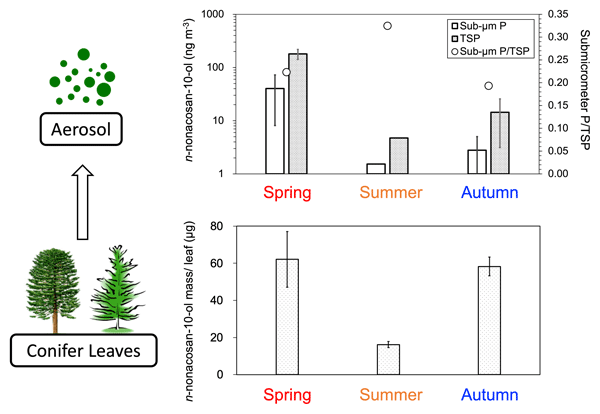
We investigated the specific plant species that act as a source of secondary fatty alcohols (SFAs) in atmospheric aerosols and their emission processes. Our study at a cool-temperate forest site suggested that SFAs in aerosols originated from conifer leaf wax and their atmospheric emission amount is primarily controlled by conifer abundance and the phenology of leaves. Our findings provide insight into estimating the global atmospheric emission flux of primary biological aerosol particles.
Riku Miyase, Yuzo Miyazaki, Tomohisa Irino, and Youhei Yamashita
Atmos. Chem. Phys., 26, 2141–2159, https://doi.org/10.5194/acp-26-2141-2026, https://doi.org/10.5194/acp-26-2141-2026, 2026
Short summary
Short summary
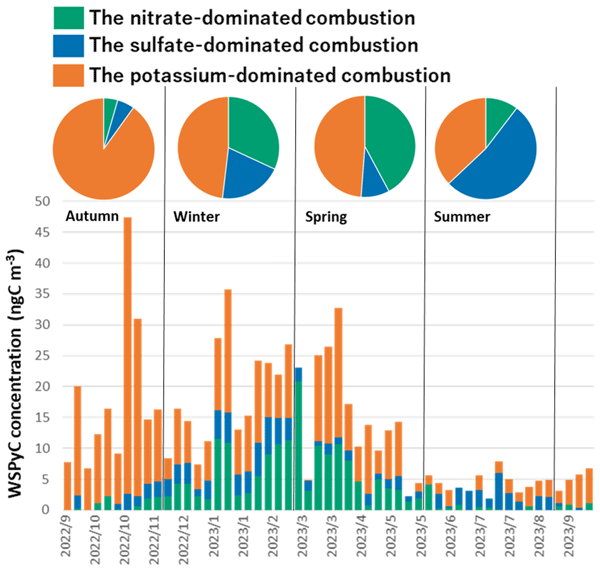
Water-soluble pyrogenic carbon (WSPyC) in the ocean is the ultimate sink for WSPyC, but its budget has not yet been fully quantified. This study observed the variations in the concentration of WSPyC in atmospheric aerosols in Sapporo, Hokkaido, over the course of a year, and examined its sources. The results suggest that WSPyC can be formed through the oxidation of soot during atmospheric transport, highlighting the need to reassess the global deposition flux of WSPyC.
Yuhao Cui, Eri Tachibana, Kimitaka Kawamura, and Yuzo Miyazaki
Biogeosciences, 20, 4969–4980, https://doi.org/10.5194/bg-20-4969-2023, https://doi.org/10.5194/bg-20-4969-2023, 2023
Short summary
Short summary
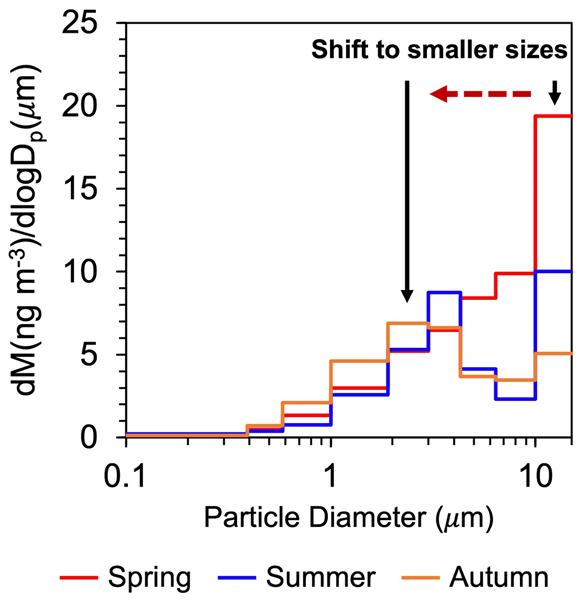
Fatty alcohols (FAs) are major components of surface lipids in plant leaves and serve as surface-active aerosols. Our study on the aerosol size distributions in a forest suggests that secondary FAs (SFAs) originated from plant waxes and that leaf senescence status is likely an important factor controlling the size distribution of SFAs. This study provides new insights into the sources of primary biological aerosol particles (PBAPs) and their effects on the aerosol ice nucleation activity.
Jinyoung Jung, Yuzo Miyazaki, Jin Hur, Yun Kyung Lee, Mi Hae Jeon, Youngju Lee, Kyoung-Ho Cho, Hyun Young Chung, Kitae Kim, Jung-Ok Choi, Catherine Lalande, Joo-Hong Kim, Taejin Choi, Young Jun Yoon, Eun Jin Yang, and Sung-Ho Kang
Atmos. Chem. Phys., 23, 4663–4684, https://doi.org/10.5194/acp-23-4663-2023, https://doi.org/10.5194/acp-23-4663-2023, 2023
Short summary
Short summary
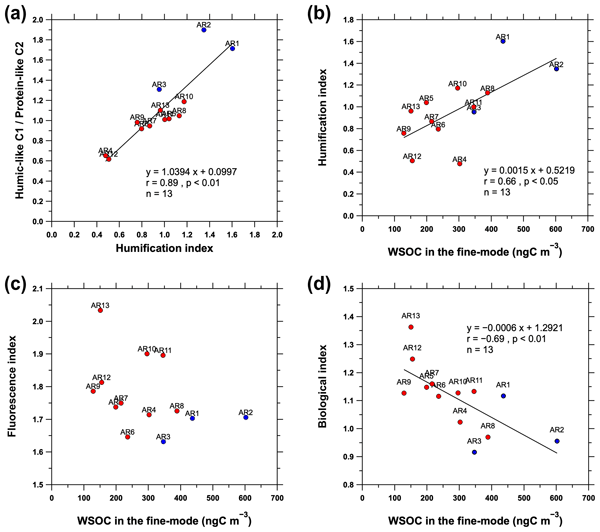
This study examined the summertime fluorescence properties of water-soluble organic carbon (WSOC) in aerosols over the western Arctic Ocean. We found that the WSOC in fine-mode aerosols in coastal areas showed a higher polycondensation degree and aromaticity than in sea-ice-covered areas. The fluorescence properties of atmospheric WSOC in the summertime marine Arctic boundary can improve our understanding of the WSOC chemical and biological linkages at the ocean–sea-ice–atmosphere interface.
Tsukasa Dobashi, Yuzo Miyazaki, Eri Tachibana, Kazutaka Takahashi, Sachiko Horii, Fuminori Hashihama, Saori Yasui-Tamura, Yoko Iwamoto, Shu-Kuan Wong, and Koji Hamasaki
Biogeosciences, 20, 439–449, https://doi.org/10.5194/bg-20-439-2023, https://doi.org/10.5194/bg-20-439-2023, 2023
Short summary
Short summary
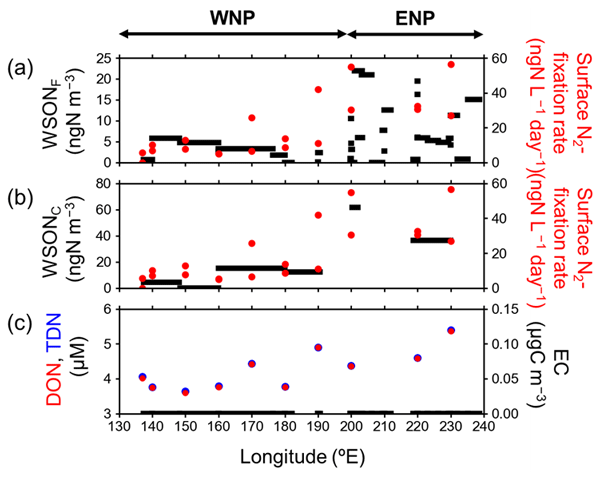
Water-soluble organic nitrogen (WSON) in marine aerosols is important for biogeochemical cycling of bioelements. Our shipboard measurements suggested that reactive nitrogen produced and exuded by nitrogen-fixing microorganisms in surface seawater likely contributed to the formation of WSON aerosols in the subtropical North Pacific. This study provides new implications for the role of marine microbial activity in the formation of WSON aerosols in the ocean surface.
Yange Deng, Hiroaki Fujinari, Hikari Yai, Kojiro Shimada, Yuzo Miyazaki, Eri Tachibana, Dhananjay K. Deshmukh, Kimitaka Kawamura, Tomoki Nakayama, Shiori Tatsuta, Mingfu Cai, Hanbing Xu, Fei Li, Haobo Tan, Sho Ohata, Yutaka Kondo, Akinori Takami, Shiro Hatakeyama, and Michihiro Mochida
Atmos. Chem. Phys., 22, 5515–5533, https://doi.org/10.5194/acp-22-5515-2022, https://doi.org/10.5194/acp-22-5515-2022, 2022
Short summary
Short summary
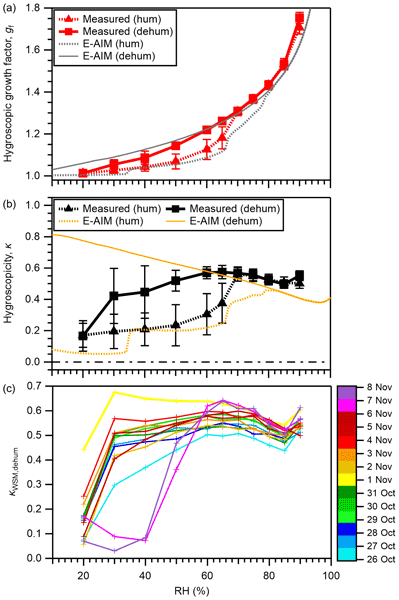
Offline analyses of the hygroscopicity and composition of atmospheric aerosols are complementary to online analyses in view of the applicability to broader sizes, specific compound groups, and investigations at remote sites. This offline study characterized the composition of water-soluble matter in aerosols and their humidity-dependent hygroscopicity on Okinawa, a receptor site of East Asian outflow. Further, comparison with online analyses showed the appropriateness of the offline method.
Sharmine Akter Simu, Yuzo Miyazaki, Eri Tachibana, Henning Finkenzeller, Jérôme Brioude, Aurélie Colomb, Olivier Magand, Bert Verreyken, Stephanie Evan, Rainer Volkamer, and Trissevgeni Stavrakou
Atmos. Chem. Phys., 21, 17017–17029, https://doi.org/10.5194/acp-21-17017-2021, https://doi.org/10.5194/acp-21-17017-2021, 2021
Short summary
Short summary
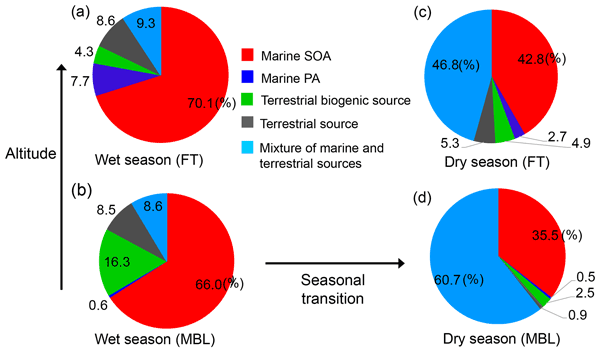
The tropical Indian Ocean (IO) is expected to be a significant source of water-soluble organic carbon (WSOC), which is relevant to cloud formation. Our study showed that marine secondary organic formation dominantly contributed to the aerosol WSOC mass at the high-altitude observatory in the southwest IO in the wet season in both marine boundary layer and free troposphere (FT). This suggests that the effect of marine secondary sources is important up to FT, a process missing in climate models.
Yoshiko Kondo, Yukiko Kawakami, Tomohiro Takatani, Toshikazu Suzuki, Hajime Obata, and Jun Nishioka
EGUsphere, https://doi.org/10.5194/egusphere-2026-5019, https://doi.org/10.5194/egusphere-2026-5019, 2026
This preprint is open for discussion and under review for Biogeosciences (BG).
Short summary
Short summary
Vitamin B12 (cobalamin) is essential for many marine microorganisms, but its distribution in the deep ocean remains poorly understood. We measured four forms of vitamin B12 from the surface to the deep western North Pacific. Higher concentrations below the chlorophyll maximum and in North Pacific Intermediate Water suggest that microbial processes and water-mass transport together shape its oceanic distribution.
Yuhao Cui, Eri Tachibana, and Yuzo Miyazaki
Biogeosciences, 23, 2927–2938, https://doi.org/10.5194/bg-23-2927-2026, https://doi.org/10.5194/bg-23-2927-2026, 2026
Short summary
Short summary
We investigated the specific plant species that act as a source of secondary fatty alcohols (SFAs) in atmospheric aerosols and their emission processes. Our study at a cool-temperate forest site suggested that SFAs in aerosols originated from conifer leaf wax and their atmospheric emission amount is primarily controlled by conifer abundance and the phenology of leaves. Our findings provide insight into estimating the global atmospheric emission flux of primary biological aerosol particles.
Riku Miyase, Yuzo Miyazaki, Tomohisa Irino, and Youhei Yamashita
Atmos. Chem. Phys., 26, 2141–2159, https://doi.org/10.5194/acp-26-2141-2026, https://doi.org/10.5194/acp-26-2141-2026, 2026
Short summary
Short summary
Water-soluble pyrogenic carbon (WSPyC) in the ocean is the ultimate sink for WSPyC, but its budget has not yet been fully quantified. This study observed the variations in the concentration of WSPyC in atmospheric aerosols in Sapporo, Hokkaido, over the course of a year, and examined its sources. The results suggest that WSPyC can be formed through the oxidation of soot during atmospheric transport, highlighting the need to reassess the global deposition flux of WSPyC.
Hisatomo Waga, Amane Fujiwara, Wesley J. Moses, Steven G. Ackleson, Daniel Koestner, Maria Tzortziou, Kyle Turner, Alana Menendez, Toru Hirawake, Koji Suzuki, and Sei-Ichi Saitoh
Biogeosciences, 23, 1043–1064, https://doi.org/10.5194/bg-23-1043-2026, https://doi.org/10.5194/bg-23-1043-2026, 2026
Short summary
Short summary
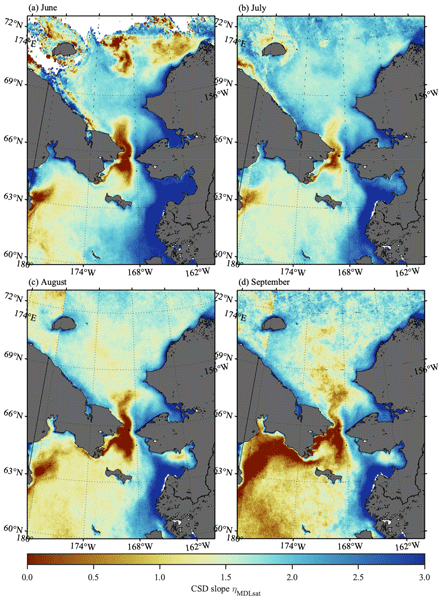
The present study developed a satellite remote sensing algorithm for estimating phytoplankton size structure from space using machine learning approaches in optically complex Pacific Arctic waters. One of the key findings is that more complex machine learning approaches do not always produce more effective performance compared with the simple ones. This study demonstrated the benefits of utilizing machine learning approaches for developing satellite remote sensing algorithms.
Huailin Deng, Koji Suzuki, Ichiro Yasuda, Hiroshi Ogawa, and Jun Nishioka
Biogeosciences, 22, 1495–1508, https://doi.org/10.5194/bg-22-1495-2025, https://doi.org/10.5194/bg-22-1495-2025, 2025
Short summary
Short summary
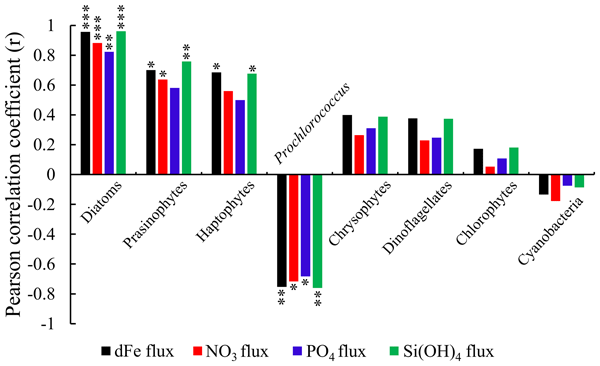
Iron (Fe) and nitrate are vital for primary production in the North Pacific. Sedimentary Fe is carried by North Pacific Intermediate Water to the North Pacific, but the nutrient return path and its effect on phytoplankton are unclear. By combining Fe and macronutrient fluxes with phytoplankton composition, this study firstly revealed that Fe supply from the subsurface greatly controls diatom abundance and identified the nutrient return path in the subarctic gyre and Kuroshio–Oyashio transition area.
Naoya Kanna, Kazutaka Tateyama, Takuji Waseda, Anna Timofeeva, Maria Papadimitraki, Laura Whitmore, Hajime Obata, Daiki Nomura, Hiroshi Ogawa, Youhei Yamashita, and Igor Polyakov
Biogeosciences, 22, 1057–1076, https://doi.org/10.5194/bg-22-1057-2025, https://doi.org/10.5194/bg-22-1057-2025, 2025
Short summary
Short summary
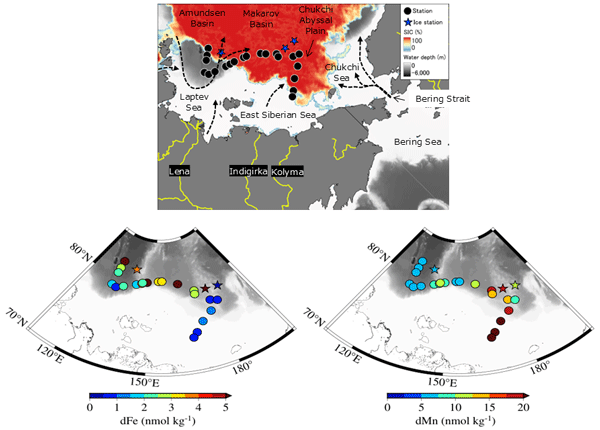
This article presents data on iron and manganese, essential micronutrients for primary producers in the Arctic Laptev and East Siberian seas (LESS). There, observations were made through international cooperation with the Nansen and Amundsen Basin Observational System expedition during the late summer of 2021. The results from this study indicate that the major sources controlling the iron and manganese distributions on the LESS continental margins are river discharge and shelf sediment input.
Christian Lønborg, Cátia Carreira, Gwenaël Abril, Susana Agustí, Valentina Amaral, Agneta Andersson, Javier Arístegui, Punyasloke Bhadury, Mariana B. Bif, Alberto V. Borges, Steven Bouillon, Maria Ll. Calleja, Luiz C. Cotovicz Jr., Stefano Cozzi, Maryló Doval, Carlos M. Duarte, Bradley Eyre, Cédric G. Fichot, E. Elena García-Martín, Alexandra Garzon-Garcia, Michele Giani, Rafael Gonçalves-Araujo, Renee Gruber, Dennis A. Hansell, Fuminori Hashihama, Ding He, Johnna M. Holding, William R. Hunter, J. Severino P. Ibánhez, Valeria Ibello, Shan Jiang, Guebuem Kim, Katja Klun, Piotr Kowalczuk, Atsushi Kubo, Choon-Weng Lee, Cláudia B. Lopes, Federica Maggioni, Paolo Magni, Celia Marrase, Patrick Martin, S. Leigh McCallister, Roisin McCallum, Patricia M. Medeiros, Xosé Anxelu G. Morán, Frank E. Muller-Karger, Allison Myers-Pigg, Marit Norli, Joanne M. Oakes, Helena Osterholz, Hyekyung Park, Maria Lund Paulsen, Judith A. Rosentreter, Jeff D. Ross, Digna Rueda-Roa, Chiara Santinelli, Yuan Shen, Eva Teira, Tinkara Tinta, Guenther Uher, Masahide Wakita, Nicholas Ward, Kenta Watanabe, Yu Xin, Youhei Yamashita, Liyang Yang, Jacob Yeo, Huamao Yuan, Qiang Zheng, and Xosé Antón Álvarez-Salgado
Earth Syst. Sci. Data, 16, 1107–1119, https://doi.org/10.5194/essd-16-1107-2024, https://doi.org/10.5194/essd-16-1107-2024, 2024
Short summary
Short summary
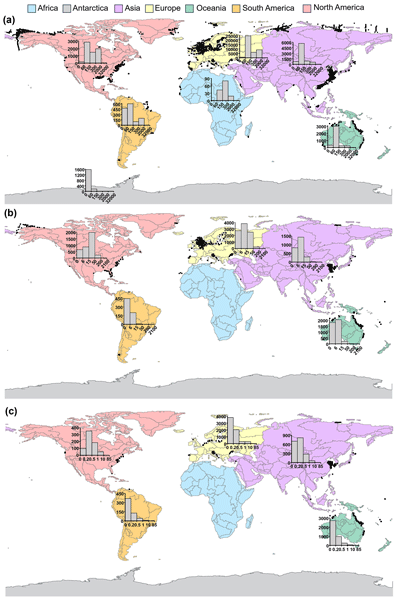
In this paper, we present the first edition of a global database compiling previously published and unpublished measurements of dissolved organic matter (DOM) collected in coastal waters (CoastDOM v1). Overall, the CoastDOM v1 dataset will be useful to identify global spatial and temporal patterns and to facilitate reuse in studies aimed at better characterizing local biogeochemical processes and identifying a baseline for modelling future changes in coastal waters.
Yuhao Cui, Eri Tachibana, Kimitaka Kawamura, and Yuzo Miyazaki
Biogeosciences, 20, 4969–4980, https://doi.org/10.5194/bg-20-4969-2023, https://doi.org/10.5194/bg-20-4969-2023, 2023
Short summary
Short summary
Fatty alcohols (FAs) are major components of surface lipids in plant leaves and serve as surface-active aerosols. Our study on the aerosol size distributions in a forest suggests that secondary FAs (SFAs) originated from plant waxes and that leaf senescence status is likely an important factor controlling the size distribution of SFAs. This study provides new insights into the sources of primary biological aerosol particles (PBAPs) and their effects on the aerosol ice nucleation activity.
Zhibo Shao, Yangchun Xu, Hua Wang, Weicheng Luo, Lice Wang, Yuhong Huang, Nona Sheila R. Agawin, Ayaz Ahmed, Mar Benavides, Mikkel Bentzon-Tilia, Ilana Berman-Frank, Hugo Berthelot, Isabelle C. Biegala, Mariana B. Bif, Antonio Bode, Sophie Bonnet, Deborah A. Bronk, Mark V. Brown, Lisa Campbell, Douglas G. Capone, Edward J. Carpenter, Nicolas Cassar, Bonnie X. Chang, Dreux Chappell, Yuh-ling Lee Chen, Matthew J. Church, Francisco M. Cornejo-Castillo, Amália Maria Sacilotto Detoni, Scott C. Doney, Cecile Dupouy, Marta Estrada, Camila Fernandez, Bieito Fernández-Castro, Debany Fonseca-Batista, Rachel A. Foster, Ken Furuya, Nicole Garcia, Kanji Goto, Jesús Gago, Mary R. Gradoville, M. Robert Hamersley, Britt A. Henke, Cora Hörstmann, Amal Jayakumar, Zhibing Jiang, Shuh-Ji Kao, David M. Karl, Leila R. Kittu, Angela N. Knapp, Sanjeev Kumar, Julie LaRoche, Hongbin Liu, Jiaxing Liu, Caroline Lory, Carolin R. Löscher, Emilio Marañón, Lauren F. Messer, Matthew M. Mills, Wiebke Mohr, Pia H. Moisander, Claire Mahaffey, Robert Moore, Beatriz Mouriño-Carballido, Margaret R. Mulholland, Shin-ichiro Nakaoka, Joseph A. Needoba, Eric J. Raes, Eyal Rahav, Teodoro Ramírez-Cárdenas, Christian Furbo Reeder, Lasse Riemann, Virginie Riou, Julie C. Robidart, Vedula V. S. S. Sarma, Takuya Sato, Himanshu Saxena, Corday Selden, Justin R. Seymour, Dalin Shi, Takuhei Shiozaki, Arvind Singh, Rachel E. Sipler, Jun Sun, Koji Suzuki, Kazutaka Takahashi, Yehui Tan, Weiyi Tang, Jean-Éric Tremblay, Kendra Turk-Kubo, Zuozhu Wen, Angelicque E. White, Samuel T. Wilson, Takashi Yoshida, Jonathan P. Zehr, Run Zhang, Yao Zhang, and Ya-Wei Luo
Earth Syst. Sci. Data, 15, 3673–3709, https://doi.org/10.5194/essd-15-3673-2023, https://doi.org/10.5194/essd-15-3673-2023, 2023
Short summary
Short summary
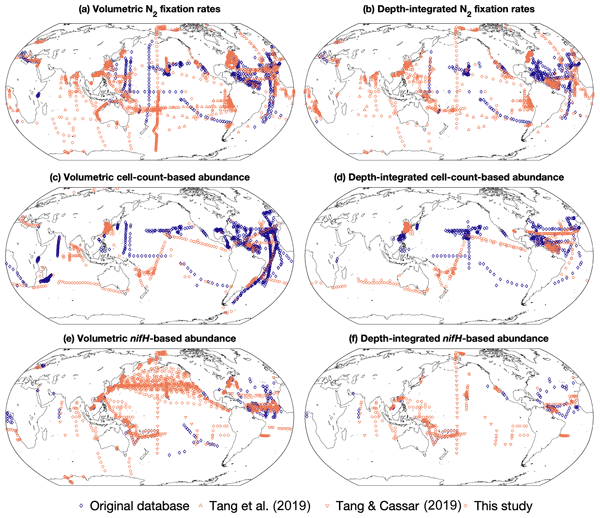
N2 fixation by marine diazotrophs is an important bioavailable N source to the global ocean. This updated global oceanic diazotroph database increases the number of in situ measurements of N2 fixation rates, diazotrophic cell abundances, and nifH gene copy abundances by 184 %, 86 %, and 809 %, respectively. Using the updated database, the global marine N2 fixation rate is estimated at 223 ± 30 Tg N yr−1, which triplicates that using the original database.
Jinyoung Jung, Yuzo Miyazaki, Jin Hur, Yun Kyung Lee, Mi Hae Jeon, Youngju Lee, Kyoung-Ho Cho, Hyun Young Chung, Kitae Kim, Jung-Ok Choi, Catherine Lalande, Joo-Hong Kim, Taejin Choi, Young Jun Yoon, Eun Jin Yang, and Sung-Ho Kang
Atmos. Chem. Phys., 23, 4663–4684, https://doi.org/10.5194/acp-23-4663-2023, https://doi.org/10.5194/acp-23-4663-2023, 2023
Short summary
Short summary
This study examined the summertime fluorescence properties of water-soluble organic carbon (WSOC) in aerosols over the western Arctic Ocean. We found that the WSOC in fine-mode aerosols in coastal areas showed a higher polycondensation degree and aromaticity than in sea-ice-covered areas. The fluorescence properties of atmospheric WSOC in the summertime marine Arctic boundary can improve our understanding of the WSOC chemical and biological linkages at the ocean–sea-ice–atmosphere interface.
Tsukasa Dobashi, Yuzo Miyazaki, Eri Tachibana, Kazutaka Takahashi, Sachiko Horii, Fuminori Hashihama, Saori Yasui-Tamura, Yoko Iwamoto, Shu-Kuan Wong, and Koji Hamasaki
Biogeosciences, 20, 439–449, https://doi.org/10.5194/bg-20-439-2023, https://doi.org/10.5194/bg-20-439-2023, 2023
Short summary
Short summary
Water-soluble organic nitrogen (WSON) in marine aerosols is important for biogeochemical cycling of bioelements. Our shipboard measurements suggested that reactive nitrogen produced and exuded by nitrogen-fixing microorganisms in surface seawater likely contributed to the formation of WSON aerosols in the subtropical North Pacific. This study provides new implications for the role of marine microbial activity in the formation of WSON aerosols in the ocean surface.
Yange Deng, Hiroaki Fujinari, Hikari Yai, Kojiro Shimada, Yuzo Miyazaki, Eri Tachibana, Dhananjay K. Deshmukh, Kimitaka Kawamura, Tomoki Nakayama, Shiori Tatsuta, Mingfu Cai, Hanbing Xu, Fei Li, Haobo Tan, Sho Ohata, Yutaka Kondo, Akinori Takami, Shiro Hatakeyama, and Michihiro Mochida
Atmos. Chem. Phys., 22, 5515–5533, https://doi.org/10.5194/acp-22-5515-2022, https://doi.org/10.5194/acp-22-5515-2022, 2022
Short summary
Short summary
Offline analyses of the hygroscopicity and composition of atmospheric aerosols are complementary to online analyses in view of the applicability to broader sizes, specific compound groups, and investigations at remote sites. This offline study characterized the composition of water-soluble matter in aerosols and their humidity-dependent hygroscopicity on Okinawa, a receptor site of East Asian outflow. Further, comparison with online analyses showed the appropriateness of the offline method.
Sharmine Akter Simu, Yuzo Miyazaki, Eri Tachibana, Henning Finkenzeller, Jérôme Brioude, Aurélie Colomb, Olivier Magand, Bert Verreyken, Stephanie Evan, Rainer Volkamer, and Trissevgeni Stavrakou
Atmos. Chem. Phys., 21, 17017–17029, https://doi.org/10.5194/acp-21-17017-2021, https://doi.org/10.5194/acp-21-17017-2021, 2021
Short summary
Short summary
The tropical Indian Ocean (IO) is expected to be a significant source of water-soluble organic carbon (WSOC), which is relevant to cloud formation. Our study showed that marine secondary organic formation dominantly contributed to the aerosol WSOC mass at the high-altitude observatory in the southwest IO in the wet season in both marine boundary layer and free troposphere (FT). This suggests that the effect of marine secondary sources is important up to FT, a process missing in climate models.
Cited articles
Almeida, J., Schobesberger, S., Kürten, A., Ortega, I. K., Kupiainen-Määttä, O., Praplan, A. P., Adamov, A., Amorim, A., Bianchi, F., Breitenlechner, M., David, A., Dommen, J., Donahue, N. M., Downard, A., Dunne, E., Duplissy, J., Ehrhart, S., Flagan, R. C., Franchin, and A., and Kirkby, J.: Molecular understanding of sulphuric acid–amine particle nucleation in the atmosphere, Nature, 502, 359–363, https://doi.org/10.1038/nature12663, 2013.
Ardyna, M., Mundy, C. J., Mayot, N., Matthes, L. C., Oziel, L., Horvat, C., Leu, E., Assmy, P., Hill, V., Matrai, P. A., Gale, M., Melnikov, I. A., and Arrigo, K. R.: Under-ice phytoplankton blooms: Shedding light on the “invisible” part of Arctic primary production, Frontiers in Marine Science, 7, https://doi.org/10.3389/fmars.2020.608032, 2020.
Arrigo, K. R.: Sea Ice Ecosystems. Annual Review of Marine Science, 6, 439–467, https://doi.org/10.1146/annurev-marine-010213-135103, 2014.
Arrigo, K. R., Perovich, D. K., Pickart, R. S., Brown, Z. W., van Dijken, G. L., Lowry, K. E., Mills, M. M., Palmer, M. A., Balch, W. M., Bahr, F., Bates, N. R., Benitez-Nelson, C., Bowler, B., Brownlee, E., Ehn, J. K., Frey, K. E., Garley, R., Laney, S. R., Lubelczyk, L., Mathis, J., Matsuoka, A., Mitchell, B. G., Moore, G. W. K., Ortega-Retuerta, E., Pal, S., Polashenski, C. M., Reynolds, R. A., Schieber, B., Sosik, H. M., Stephens, M., and Swift, J. H.: Massive phytoplankton blooms under Arctic sea ice, Science, 336, 1408–1408, https://doi.org/10.1126/science.1215065, 2012.
Assmy, P., Smetacek, V., Montresor, M., Klaas, C., Henjes, J., Strass, V. H., Arrieta, J. M., Bathmann, U., Berg, G. M., Breitbarth, E., Cisewski, B., Friedrichs, L., Fuchs, N., Herndl, G. J., Jansen, S., Krägefsky, S., Latasa, M., Peeken, I., Röttgers, R., Scharek, R., Schüller, S. E., Steigenberger, S., Webb, A., and Wolf-Gladrow, D.: Thick-shelled, grazer-protected diatoms decouple ocean carbon and silicon cycles in the iron-limited Antarctic Circumpolar Current, Proceedings of the National Academy of Sciences, 110, 20633–20638, https://doi.org/10.1073/pnas.1309345110, 2013.
Balzano, S., Percopo, I., Siano, R., Gourvil, P., Chanoine, M., Marie, D., Vaulot, D., and Sarno, D.: Morphological and genetic diversity of Beaufort Sea diatoms with high contributions from the Chaetoceros neogracilis species complex, Journal of Phycology, 53, 161–187, https://doi.org/10.1111/jpy.12489, 2017.
Bardouki, H., Berresheim, H., Vrekoussis, M., Sciare, J., Kouvarakis, G., Oikonomou, K., Schneider, J., and Mihalopoulos, N.: Gaseous (DMS, MSA, SO2, H2SO4 and DMSO) and particulate (sulfate and methanesulfonate) sulfur species over the northeastern coast of Crete, Atmos. Chem. Phys., 3, 1871–1886, https://doi.org/10.5194/acp-3-1871-2003, 2003.
Bayer-Giraldi, M., Uhlig, C., John, U., Mock, T., and Valentin, K.: Antifreeze proteins in polar sea ice diatoms: diversity and gene expression in the genus Fragilariopsis, Environmental Microbiology, 12, 1041–1052, https://doi.org/10.1111/j.1462-2920.2009.02149.x, 2010.
Behrenfeld, M. J., Moore, R. H., Hostetler, C. A., Graff, J., Gaube, P., Russell, L. M., Chen, G., Doney, S. C., Giovannoni, S., Liu, H., Proctor, C., Bolaños, L. M., Baetge, N., Davie-Martin, C., Westberry, T. K., Bates, T. S., Bell, T. G., Bidle, K. D., Boss, and E. S., Ziemba, L.: The North Atlantic Aerosol and Marine Ecosystem Study (NAAMES): Science motive and mission overview, Frontiers in Marine Science, 6, https://doi.org/10.3389/fmars.2019.00122, 2019.
Boroujerdi, A. F. B., Lee, P. A., DiTullio, G. R., Janech, M. G., Vied, S. B., and Bearden, D. W.: Identification of isethionic acid and other small molecule metabolites of Fragilariopsis cylindrus with nuclear magnetic resonance, Analytical and Bioanalytical Chemistry, 404, 777–784, https://doi.org/10.1007/s00216-012-6169-2, 2012.
Brzezinski, M. A., Nelson, D. M., Franck, V. M., and Sigmon, D. E.: Silicon dynamics within an intense open-ocean diatom bloom in the Pacific sector of the Southern Ocean, Deep Sea Research Part II: Topical Studies in Oceanography, 48, 3997–4018, https://doi.org/10.1016/S0967-0645(01)00078-9, 2001.
Cachier, H., Buat-Ménard, P., Fontugne, M., and Chesselet, R.: Long-range transport of continentally-derived particulate carbon in the marine atmosphere: evidence from stable carbon isotope studies, Tellus B, 38, 161–177, https://doi.org/10.3402/tellusb.v38i3-4.15125, 1986.
Claeys, M., Graham, B., Vas, G., Wang, W., Vermeylen, R., Pashynska, V., Cafmeyer, J., Guyon, P., Andreae, M. O., Artaxo, P., and Maenhaut, W.: Formation of secondary organic aerosols through photooxidation of isoprene, Science, 303, 1173–1176, https://doi.org/10.1126/science.1092805, 2004.
Coble, P. G.: Marine optical biogeochemistry: the chemistry of ocean color, Chem. Rev., 107, 402–418, 2007.
Cochran, R. E., Laskina, O., Trueblood, J. V., Estillore, A. D., Morris, H. S., Jayarathne, T., Sultana, C. M., Lee, C., Lin, P., Laskin, J., Laskin, A., Dowling, J. A., Qin, Z., Cappa, C. D., Bertram, T. H., Tivanski, A. V., Stone, E. A., Prather, K. A., and Grassian, V. H.: Molecular diversity of sea spray aerosol particles: Impact of ocean biology on particle composition and hygroscopicity, Chem, 2, 655–667, 2017.
Crocker, D. R., Hernandez, R. E., Huang, H. D., Pendergraft, M. A., Cao, R., Dai, J., Morris, C. K., Deane, G. B., Prather, K. A., and Thiemens, M. H.: Biological influence on δ13C and organic composition of nascent sea spray aerosol, ACS Earth and Space Chemistry, 4, 1686–1699, https://doi.org/10.1021/acsearthspacechem.0c00072, 2020.
Dall'Osto, M., Ovadnevaite, J., Paglione, M., Beddows, D. C. S., Ceburnis, D., Cree, C., Cortés, P., Zamanillo, M., Nunes, S. O., Pérez, G. L., Ortega-Retuerta, E., Emelianov, M., Vaqué, D., Marrasé, C., Estrada, M., Sala, M. M., Vidal, M., Fitzsimons, M. F., Beale, R., Airs, R., Rinaldi, M., Decesari, S., Facchini, M. C., Harrison, R. M., O'Dowd, C., and Simó, R.: Antarctic sea ice region as a source of biogenic organic nitrogen in aerosols, Scientific Reports, 7, 6047, https://doi.org/10.1038/s41598-017-06188-x, 2017.
Dall'Osto, M., Airs R. L., Beale R., Cree C., Fitzsimons M. F., Beddows D., Harrison, R. M., Ceburnis, D., O'Dowd, C., Rinaldi, M., Paglione, M., Nenes, A., Decesari, S., and Simó, R.: Simultaneous Detection of Alkylamines in the Surface Ocean and Atmosphere of the Antarctic Sympagic Environment, ACS Earth Space Chem, 3, 854–862, https://doi.org/10.1021/acsearthspacechem.9b00028, 2019.
Dawson, M. L., Varner, M. E., Perraud, V., Ezell, M. J., Gerber, R. B., and Finlayson-Pitts, B. J.: Simplified mechanism for new particle formation from methanesulfonic acid, amines, and water via experiments and ab initio calculations, Proceedings of the National Academy of Sciences, 109, 18719–18724, https://doi.org/10.1073/pnas.1211878109, 2012.
Ehleringer, J. R., Cerling, T. E., and Helliker, B. R.: C4 photosynthesis, atmospheric CO2, and climate, Oecologia, 112, 285–299, https://doi.org/10.1007/s004420050311, 1997.
Eickhoff, L., Bayer-Giraldi, M., Reicher, N., Rudich, Y., and Koop, T.: Ice nucleating properties of the sea ice diatom Fragilariopsis cylindrus and its exudates, Biogeosciences, 20, 1–14, https://doi.org/10.5194/bg-20-1-2023, 2023.
Finessi, E., Decesari, S., Paglione, M., Giulianelli, L., Carbone, C., Gilardoni, S., Fuzzi, S., Saarikoski, S., Raatikainen, T., Hillamo, R., Allan, J., Mentel, Th. F., Tiitta, P., Laaksonen, A., Petäjä, T., Kulmala, M., Worsnop, D. R., and Facchini, M. C.: Determination of the biogenic secondary organic aerosol fraction in the boreal forest by NMR spectroscopy, Atmos. Chem. Phys., 12, 941–959, https://doi.org/10.5194/acp-12-941-2012, 2012.
Fu, P., Kawamura, K., Chen, J., and Barrie, L. A.: Isoprene, monoterpene, and sesquiterpene oxidation products in the high Arctic aerosols during late winter to early summer, Environmental Science and Technology, 43, 4022–4028, https://doi.org/10.1021/es803669a, 2009.
Ghahreman, R., Norman, A.-L., Abbatt, J. P. D., Levasseur, M., and Thomas, J. L.: Biogenic, anthropogenic and sea salt sulfate size-segregated aerosols in the Arctic summer, Atmos. Chem. Phys., 16, 5191–5202, https://doi.org/10.5194/acp-16-5191-2016, 2016.
Hallquist, M., Wenger, J. C., Baltensperger, U., Rudich, Y., Simpson, D., Claeys, M., Dommen, J., Donahue, N. M., George, C., Goldstein, A. H., Hamilton, J. F., Herrmann, H., Hoffmann, T., Iinuma, Y., Jang, M., Jenkin, M. E., Jimenez, J. L., Kiendler-Scharr, A., Maenhaut, W., McFiggans, G., Mentel, Th. F., Monod, A., Prévôt, A. S. H., Seinfeld, J. H., Surratt, J. D., Szmigielski, R., and Wildt, J.: The formation, properties and impact of secondary organic aerosol: current and emerging issues, Atmos. Chem. Phys., 9, 5155–5236, https://doi.org/10.5194/acp-9-5155-2009, 2009.
Hasegawa, T., Kasai, H., Ono, T., Tsuda, A., and Ogawa, H.: Dynamics of dissolved and particulate organic matter during the spring bloom in the Oyashio region of the western subarctic Pacific Ocean, Aquatic Microbial Ecology, 60, 127–138, https://doi.org/10.3354/ame01418, 2010.
Ickes, L., Porter, G. C. E., Wagner, R., Adams, M. P., Bierbauer, S., Bertram, A. K., Bilde, M., Christiansen, S., Ekman, A. M. L., Gorokhova, E., Höhler, K., Kiselev, A. A., Leck, C., Möhler, O., Murray, B. J., Schiebel, T., Ullrich, R., and Salter, M. E.: The ice-nucleating activity of Arctic sea surface microlayer samples and marine algal cultures, Atmos. Chem. Phys., 20, 11089–11117, https://doi.org/10.5194/acp-20-11089-2020, 2020.
Irish, V. E., Elizondo, P., Chen, J., Chou, C., Charette, J., Lizotte, M., Ladino, L. A., Wilson, T. W., Gosselin, M., Murray, B. J., Polishchuk, E., Abbatt, J. P. D., Miller, L. A., and Bertram, A. K.: Ice-nucleating particles in Canadian Arctic sea-surface microlayer and bulk seawater, Atmos. Chem. Phys., 17, 10583–10595, https://doi.org/10.5194/acp-17-10583-2017, 2017.
Irish, V. E., Hanna, S. J., Willis, M. D., China, S., Thomas, J. L., Wentzell, J. J. B., Cirisan, A., Si, M., Leaitch, W. R., Murphy, J. G., Abbatt, J. P. D., Laskin, A., Girard, E., and Bertram, A. K.: Ice nucleating particles in the marine boundary layer in the Canadian Arctic during summer 2014, Atmos. Chem. Phys., 19, 1027–1039, https://doi.org/10.5194/acp-19-1027-2019, 2019.
Kennedy, F., Martin, A., and McMinn, A.: Rapid changes in spectral composition after darkness influences nitric oxide, glucose and hydrogen peroxide production in the Antarctic diatom Fragilariopsis cylindrus, Polar Biology, 44, 1289–1303, https://doi.org/10.1007/s00300-021-02867-8, 2021.
Kimura, N. and Wakatsuchi, M.: Relationship between sea-ice motion and geostrophic wind in the northern hemisphere, Geophysical Research Letters, 27, 3735–3738, https://doi.org/10.1029/2000GL011495, 2000.
Kishi, S., Ohshima, K. I., Nishioka, J., Isshiki, N., Nihashi, S., and Riser, S. C.: The prominent spring bloom and its relation to sea–ice melt in the Sea of Okhotsk, revealed by profiling floats, Geophysical Research Letters, 48, https://doi.org/10.1029/2020GL091394, 2021.
Krell, A., Funck, D., Plettner, I., John, U., and Dieckmann, G.: Regulation of proline metabolism under salt stress in the psychrophilic diatom fragilariopsis cylindrus (Bacillariophtceae), Journal of Phycology, 43, 753–762, https://doi.org/10.1111/j.1529-8817.2007.00366.x, 2007.
Lalonde, K., Vähätalo, A. V., and Gélinas, Y.: Revisiting the disappearance of terrestrial dissolved organic matter in the ocean: a δ13C study, Biogeosciences, 11, 3707–3719, https://doi.org/10.5194/bg-11-3707-2014, 2014.
Liu, H., Suzuki, K., Nishioka, J., Sohrin, R., and Nakatsuka, T.: Phytoplankton growth and microzooplankton grazing in the Sea of Okhotsk during late summer of 2006, Deep Sea Research Part I: Oceanographic Research Papers, 56, 561–570, https://doi.org/10.1016/j.dsr.2008.12.003, 2009.
Luostarinen, T., Ribeiro, S., Weckström, K., Sejr, M., Meire, L., Tallberg, P., and Heikkilä, M.: An annual cycle of diatom succession in two contrasting Greenlandic fjords: from simple sea-ice indicators to varied seasonal strategists, Marine Micropaleontology, 158, 101873, https://doi.org/10.1016/j.marmicro.2020.101873, 2020.
Lv, G., Zhang, C., and Sun, X.: Understanding the oxidation mechanism of methanesulfinic acid by ozone in the atmosphere, Scientific Reports, 9, 322, https://doi.org/10.1038/s41598-018-36405-0, 2019.
Matsumoto, T., Matsuno, K., Katakura, S., Kasai, H., and Yamaguchi, A.: Seasonal variability of the protist community and production in the southern Okhotsk Sea revealed by weekly monitoring, Regional Studies in Marine Science, 43, 101683, https://doi.org/10.1016/j.rsma.2021.101683, 2021.
Miyazaki, Y., Kawamura, K., Jung, J., Furutani, H., and Uematsu, M.: Latitudinal distributions of organic nitrogen and organic carbon in marine aerosols over the western North Pacific, Atmos. Chem. Phys., 11, 3037–3049, https://doi.org/10.5194/acp-11-3037-2011, 2011.
Miyazaki, Y., Coburn, S., Ono, K., Ho, D. T., Pierce, R. B., Kawamura, K., and Volkamer, R.: Contribution of dissolved organic matter to submicron water-soluble organic aerosols in the marine boundary layer over the eastern equatorial Pacific, Atmos. Chem. Phys., 16, 7695–7707, https://doi.org/10.5194/acp-16-7695-2016, 2016.
Miyazaki, Y., Yamashita, Y., Kawana, K., Tachibana, E., Kagami, S., Mochida, M., Suzuki, K., and Nishioka, J.: Chemical transfer of dissolved organic matter from surface seawater to sea spray water-soluble organic aerosol in the marine atmosphere, Scientific Reports, 8, 14861, https://doi.org/10.1038/s41598-018-32864-7, 2018.
Miyazaki, Y., Suzuki, K., Tachibana, E., Yamashita, Y., Müller, A., Kawana, K., and Nishioka, J.: New index of organic mass enrichment in sea spray aerosols linked with senescent status in marine phytoplankton, Scientific Reports, 10, 17042, https://doi.org/10.1038/s41598-020-73718-5, 2020.
Mizuno, Y., Nishioka, J., Tanaka, T., Tada, Y., Suzuki, K., Tsuzuki, Y., Sugimoto, A., and Yamashita, Y.: Determination of the freshwater origin of Coastal Oyashio Water using humic-like fluorescence in dissolved organic matter, Journal of Oceanography, 74, 509–521, https://doi.org/10.1007/s10872-018-0477-x, 2018.
Mustapha, M. A., Sei-Ichi, S., and Lihan, T.: Satellite-measured seasonal variations in primary production in the scallop-farming region of the Okhotsk Sea, ICES Journal of Marine Science, 66, 1557–1569, https://doi.org/10.1093/icesjms/fsp142, 2009.
Nakamura, H., Okazaki, Y., Konno, S., and Nakatsuka, T.: An assessment of diatom assemblages in the Sea of Okhotsk as a proxy for sea-ice cover, Journal of Micropalaeontology, 39, 77–92, https://doi.org/10.5194/jm-39-77-2020, 2020.
Nishioka, J., Ono, T., Saito, H., Nakatsuka, T., Takeda, S., Yoshimura, T., Suzuki, K., Kuma, K., Nakabayashi, S., Tsumune, D., Mitsudera, H., Johnson, W. K., and Tsuda, A.: Iron supply to the western subarctic Pacific: Importance of iron export from the Sea of Okhotsk, Journal of Geophysical Research, 112, C10012, https://doi.org/10.1029/2006JC004055, 2007.
Nishioka, J., Obata, H., Ogawa, H., Ono, K., Yamashita, Y., Lee, K., Takeda, S., and Yasuda, I.: Subpolar marginal seas fuel the North Pacific through the intermediate water at the termination of the global ocean circulation, P. Natl. Acad. Sci. USA, 117, 12665–12673, https://doi.org/10.1073/pnas.2000658117, 2020.
Nishioka, J., Obata, H., Hirawake, T., Kondo, Y., Yamashita, Y., Misumi, K., and Yasuda, I.: A review: iron and nutrient supply in the subarctic Pacific and its impact on phytoplankton production, Journal of Oceanography, 77, 561–587, https://doi.org/10.1007/s10872-021-00606-5, 2021.
Nosaka, Y., Yamashita, Y., and Suzuki, K.: Dynamics and origin of transparent exopolymer particles in the Oyashio region of the western Subarctic Pacific during the spring diatom bloom, Frontiers in Marine Science, 4, https://doi.org/10.3389/fmars.2017.00079, 2017.
O'Dowd, C. D., Facchini, M. C., Cavalli, F., Ceburnis, D., Mircea, M., Decesari, S., Fuzzi, S., Yoon, Y. J., and Putaud, J.-P.: Biogenically driven organic contribution to marine aerosol, Nature, 431, 676–680, https://doi.org/10.1038/nature02959, 2004.
O'Dowd, C. D. and de Leeuw, G.: Marine aerosol production: a review of the current knowledge, Philosophical Transactions of the Royal Society A: Mathematical, Physical and Engineering Sciences, 365, 1753–1774, https://doi.org/10.1098/rsta.2007.2043, 2007.
Roberts, D., Craven, M., Cai, M., Allison, I., and Nash, G.: Protists in the marine ice of the Amery Ice Shelf, East Antarctica, Polar Biology, 30, 143–153, https://doi.org/10.1007/s00300-006-0169-7, 2006.
Shiozaki, T., Ito, S., Takahashi, K., Saito, H., Nagata, T., and Furuya, K.: Regional variability of factors controlling the onset timing and magnitude of spring algal blooms in the northwestern North Pacific, Journal of Geophysical Research: Oceans, 119, 253–265, https://doi.org/10.1002/2013JC009187, 2014.
Sorokin, Y.: Production in the Sea of Okhotsk, Journal of Plankton Research, 21, 201–230, https://doi.org/10.1093/plankt/21.2.201, 1999.
Sohrin, R., Imanishi, K., Suzuki, Y., Kuma, K., Yasuda, I., Suzuki, K., and Nakatsuka, T.: Distributions of dissolved organic carbon and nitrogen in the western Okhotsk Sea and their effluxes to the North Pacific, Progress in Oceanography, 126, 168–179, https://doi.org/10.1016/j.pocean.2014.05.014, 2014.
Steinke, I., DeMott, P. J., Deane, G. B., Hill, T. C. J., Maltrud, M., Raman, A., and Burrows, S. M.: A numerical framework for simulating the atmospheric variability of supermicron marine biogenic ice nucleating particles, Atmos. Chem. Phys., 22, 847–859, https://doi.org/10.5194/acp-22-847-2022, 2022.
Suzuki, R. and Ishimaru, T.: An improved method for the determination of phytoplankton chlorophyll using N, N-dimethylformamide, Journal of the Oceanographical Society of Japan, 46, 190–194, https://doi.org/10.1007/BF02125580, 1990.
Suzuki, S., Kataoka, T., Watanabe, T., Yamaguchi, H., Kuwata, A., and Kawachi, M.: Depth-dependent transcriptomic response of diatoms during spring bloom in the western subarctic Pacific Ocean, Scientific Reports, 9, 14559, https://doi.org/10.1038/s41598-019-51150-8, 2019.
Syvertsen, E. E.: Ice algae in the Barents Sea: types of assemblages, origin, fate and role in the ice-edge phytoplankton bloom, Polar Research, 10, 277–288, https://doi.org/10.3402/polar.v10i1.6746, 1991.
Szmigielski, R., Surratt, J. D., Gómez-González, Y., van der Veken, P., Kourtchev, I., Vermeylen, R., Blockhuys, F., Jaoui, M., Kleindienst, T. E., Lewandowski, M., Offenberg, J. H., Edney, E. O., Seinfeld, J. H., Maenhaut, W., and Claeys, M.: 3-methyl-1,2,3-butanetricarboxylic acid: An atmospheric tracer for terpene secondary organic aerosol, Geophysical Research Letters, 34, L24811, https://doi.org/10.1029/2007GL031338, 2007.
Tsumune, D., Nishioka, J., Shimamoto, A., Takeda, S., and Tsuda, A: Physical behavior of the SEEDS iron-fertilized patch by sulphur hexafluoride tracer release, Progress in Oceanography, 64, 111–127, https://doi.org/10.1016/j.pocean.2005.02.018, 2005.
Turekian, V. C.: Concentrations, isotopic compositions, and sources of size-resolved, particulate organic carbon and oxalate in near-surface marine air at Bermuda during spring, Journal of Geophysical Research, 108, 4157, https://doi.org/10.1029/2002JD002053, 2003.
Watanabe, S.: Abundance, composition, and metabolic activity of diatoms dominant in the southern Sea of Okhotsk during the winter and spring seasons, and their relationship with environmental factors, MS thesis, Graduate School of Environmental Sciences, Hokkaido University, Japan, p. 91, 2022.
Welschmeyer, N. A.: Fluorometric analysis of chlorophyll a in the presence of chlorophyll b and pheopigments, Limnology and Oceanography, 39, 1985–1992, https://doi.org/10.4319/lo.1994.39.8.1985, 1994.
Yamashita, Y., Tosaka, T., Bamba, R., Kamezaki, R., Goto, S., Nishioka, J., Yasuda, I., Hirawake, T., Oida, J., Obata, H., and Ogawa, H.: Widespread distribution of allochthonous fluorescent dissolved organic matter in the intermediate water of the North Pacific, Progress in Oceanography, 191, 102510, https://doi.org/10.1016/j.pocean.2020.102510, 2021.
Yan, D., Yoshida, K., Nishioka, J., Ito, M., Toyota, T., and Suzuki, K.: Response to sea ice melt indicates high seeding potential of the ice diatom Thalassiosira to spring phytoplankton blooms: A laboratory study on an ice algal community from the Sea of Okhotsk, Frontiers in Marine Science, 7, https://doi.org/10.3389/fmars.2020.00613, 2020.
Yan, D., Nishioka, J., Toyota, T., and Suzuki, K.: Winter microalgal communities of the southern Sea of Okhotsk: a comparison of sea ice, coastal, and basinal seawater, Prog. Oceanogr., 204, 102806, https://doi.org/10.1016/j.pocean.2022.102806, 2022.
Yttri, K. E., Aas, W., Bjerke, A., Cape, J. N., Cavalli, F., Ceburnis, D., Dye, C., Emblico, L., Facchini, M. C., Forster, C., Hanssen, J. E., Hansson, H. C., Jennings, S. G., Maenhaut, W., Putaud, J. P., and Tørseth, K.: Elemental and organic carbon in PM10: a one year measurement campaign within the European Monitoring and Evaluation Programme EMEP, Atmos. Chem. Phys., 7, 5711–5725, https://doi.org/10.5194/acp-7-5711-2007, 2007.
Young, J. N. and Schmidt, K.: It's what's inside that matters: physiological adaptations of high-latitude marine microalgae to environmental change, New Phytologist, 227, 1307–1318, https://doi.org/10.1111/nph.16648, 2020.
Zhang, W., Weber, J., Archibald, A. T., Abraham, N. L., Booge, D., Yang, M., and Gu, D.: Global atmospheric composition effects from marine isoprene emissions, Environmental Science & Technology, 59, 2554-2564, https://doi.org/10.1021/acs.est.4c10657, 2025.
Short summary
It is essential to understand how biologically productive oceanic regions during spring phytoplankton blooms after sea ice melting contribute to the sea-to-air emission flux of atmospheric organic aerosols (OAs) in the subarctic oceans. Our shipboard measurements highlight the preferential formation of N-containing secondary water-soluble OAs associated with the predominant diatoms including ice algae during the bloom after sea ice melting/retreat in the subarctic ocean.
It is essential to understand how biologically productive oceanic regions during spring...


Altmetrics
Final-revised paper
Preprint