
Articles | Volume 26, issue 10
https://doi.org/10.5194/acp-26-7031-2026
© Author(s) 2026. This work is distributed under
the Creative Commons Attribution 4.0 License.
the Creative Commons Attribution 4.0 License.
https://doi.org/10.5194/acp-26-7031-2026
© Author(s) 2026. This work is distributed under
the Creative Commons Attribution 4.0 License.
the Creative Commons Attribution 4.0 License.
Research article
| 
22 May 2026
Research article |
| 22 May 2026
| 22 May 2026
Secondary formation dominated low molecular weight amines origins in aerosols over the marginal seas of China
Xiao-Ying Yang
School of Ecology and Applied Meteorology and Atmospheric Environment Center, Joint Laboratory for International Cooperation on Climate and Environmental Change, Ministry of Education, Nanjing University of Information Science & Technology, Nanjing 210044, China
Jiangsu Key Laboratory of Atmospheric Environment Monitoring and Pollution Control, Collaborative Innovation Center on Forecast and Evaluation of Meteorological Disasters (CIC-FEMD), Nanjing University of Information Science & Technology, Nanjing 210044, China
Fang Cao
School of Ecology and Applied Meteorology and Atmospheric Environment Center, Joint Laboratory for International Cooperation on Climate and Environmental Change, Ministry of Education, Nanjing University of Information Science & Technology, Nanjing 210044, China
Jiangsu Key Laboratory of Atmospheric Environment Monitoring and Pollution Control, Collaborative Innovation Center on Forecast and Evaluation of Meteorological Disasters (CIC-FEMD), Nanjing University of Information Science & Technology, Nanjing 210044, China
Chang-Liu Wu
School of Ecology and Applied Meteorology and Atmospheric Environment Center, Joint Laboratory for International Cooperation on Climate and Environmental Change, Ministry of Education, Nanjing University of Information Science & Technology, Nanjing 210044, China
Jiangsu Key Laboratory of Atmospheric Environment Monitoring and Pollution Control, Collaborative Innovation Center on Forecast and Evaluation of Meteorological Disasters (CIC-FEMD), Nanjing University of Information Science & Technology, Nanjing 210044, China
Yu-Xian Zhang
School of Ecology and Applied Meteorology and Atmospheric Environment Center, Joint Laboratory for International Cooperation on Climate and Environmental Change, Ministry of Education, Nanjing University of Information Science & Technology, Nanjing 210044, China
Jiangsu Key Laboratory of Atmospheric Environment Monitoring and Pollution Control, Collaborative Innovation Center on Forecast and Evaluation of Meteorological Disasters (CIC-FEMD), Nanjing University of Information Science & Technology, Nanjing 210044, China
Wen-Huai Song
School of Ecology and Applied Meteorology and Atmospheric Environment Center, Joint Laboratory for International Cooperation on Climate and Environmental Change, Ministry of Education, Nanjing University of Information Science & Technology, Nanjing 210044, China
Jiangsu Key Laboratory of Atmospheric Environment Monitoring and Pollution Control, Collaborative Innovation Center on Forecast and Evaluation of Meteorological Disasters (CIC-FEMD), Nanjing University of Information Science & Technology, Nanjing 210044, China
Yu-Chi Lin
School of Ecology and Applied Meteorology and Atmospheric Environment Center, Joint Laboratory for International Cooperation on Climate and Environmental Change, Ministry of Education, Nanjing University of Information Science & Technology, Nanjing 210044, China
Jiangsu Key Laboratory of Atmospheric Environment Monitoring and Pollution Control, Collaborative Innovation Center on Forecast and Evaluation of Meteorological Disasters (CIC-FEMD), Nanjing University of Information Science & Technology, Nanjing 210044, China
Yan-Lin Zhang
CORRESPONDING AUTHOR

School of Ecology and Applied Meteorology and Atmospheric Environment Center, Joint Laboratory for International Cooperation on Climate and Environmental Change, Ministry of Education, Nanjing University of Information Science & Technology, Nanjing 210044, China
Jiangsu Key Laboratory of Atmospheric Environment Monitoring and Pollution Control, Collaborative Innovation Center on Forecast and Evaluation of Meteorological Disasters (CIC-FEMD), Nanjing University of Information Science & Technology, Nanjing 210044, China
Related authors
Hao-Ran Yu, Yan-Lin Zhang, Fang Cao, Xiao-Ying Yang, Tian Xie, Yu-Xian Zhang, and Yongwen Xue
Atmos. Meas. Tech. Discuss., https://doi.org/10.5194/amt-2022-239, https://doi.org/10.5194/amt-2022-239, 2022
Preprint withdrawn
Short summary
Short summary
We developed a high time resolution method for determining the δ13C values of WSOCp and WSOCg by combination of wet oxidation pretreatment and IRMS. With improvement of oxidation method and determination method, δ13C value of liquid sample with a carbon content between 0.5 to 5 μg can be determined with an accuracy of 0.6 ‰. Using this method, the δ13C value of WSOCp and WSOCg in winter of 2021 at an urban site of Nanjing were determined, which were -25.9 ± 0.7 ‰ and -29.9 ± 0.9 ‰ respectively.
Ying Zhang, Abudurexiati Abulimiti, and Yan-Lin Zhang
EGUsphere, https://doi.org/10.5194/egusphere-2026-2763, https://doi.org/10.5194/egusphere-2026-2763, 2026
This preprint is open for discussion and under review for Atmospheric Chemistry and Physics (ACP).
Short summary
Short summary
Emission regimes have changed rapidly and divergently across Asia, yet how such changes affect the relative abundance of black and brown carbon (BC, BrC) and their contributions to radiative forcing remains unclear. Using GEOS-Chem model and SHAP analysis, we find that emission mitigation redistributes rather than proportionally reduces BC and BrC, with open biomass burning as an increasingly important modulator. This suggests an urgent need for concurrent management of open biomass burning.
Matthews Nyasulu, Yan-Lin Zhang, Cao Fang, and Md. Mozammel Haque
EGUsphere, https://doi.org/10.5194/egusphere-2026-2738, https://doi.org/10.5194/egusphere-2026-2738, 2026
Short summary
Short summary
We use bias-adjusted AerChemMIP simulations to investigate black carbon distribution and future changes across Africa. Results show that models underestimate BC over Central Africa, where concentrations are strongly linked to biomass burning. Seasonal variability is dominated by dry-season enhancements and wet-season reductions due to wet deposition, while transport from Europe elevates BC over North Africa. Future SSP370SST projections show increasing BC across North, West and East Africa.
Rongshuang Xu, Yu-Chi Lin, Siyu Bian, Feng Xie, and Yan-Lin Zhang
Atmos. Chem. Phys., 25, 12721–12735, https://doi.org/10.5194/acp-25-12721-2025, https://doi.org/10.5194/acp-25-12721-2025, 2025
Short summary
Short summary
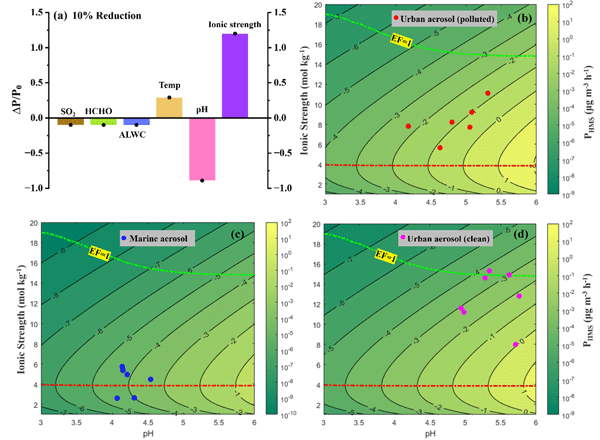
Levels of hydroxymethanesulfonate (HMS) in a continental city and, for the first time, a marine atmosphere are reported. The effect of aerosol ionic strength (IS) on HMS formation was quantified; it first rises with increasing IS and then peaks at 4 mol kg−1 before declining. Given the IS range of marine (2–6) and urban (6–20 mol kg−1) aerosols and the clearly negative correlation between humidity and IS, moderate IS levels in humid conditions may notably boost ambient HMS formation.
Xueqin Zheng, Junwen Liu, Nima Chuduo, Bian Ba, Pengfei Yu, Phu Drolgar, Fang Cao, and Yanlin Zhang
Atmos. Chem. Phys., 25, 12451–12465, https://doi.org/10.5194/acp-25-12451-2025, https://doi.org/10.5194/acp-25-12451-2025, 2025
Short summary
Short summary
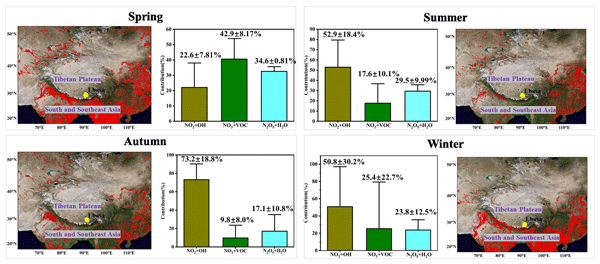
In this study, we present the first report on the annual variation of stable oxygen isotope anomalies in nitrate (NO3−) collected from the urban area of Lhasa, on the Tibetan Plateau, China. Using a Bayesian isotope mixture model, we found that the relative contribution of the NO3 + volatile organic compound (VOC) pathway to NO3− formation in spring in Lhasa was several times higher than that in urban cities, highlighting the significant influence of VOCs transported from outside the Tibetan Plateau.
Abudurexiati Abulimiti, Yanlin Zhang, Mingyuan Yu, Yihang Hong, Yu-Chi Lin, Chaman Gul, and Fang Cao
Atmos. Chem. Phys., 25, 6161–6178, https://doi.org/10.5194/acp-25-6161-2025, https://doi.org/10.5194/acp-25-6161-2025, 2025
Short summary
Short summary
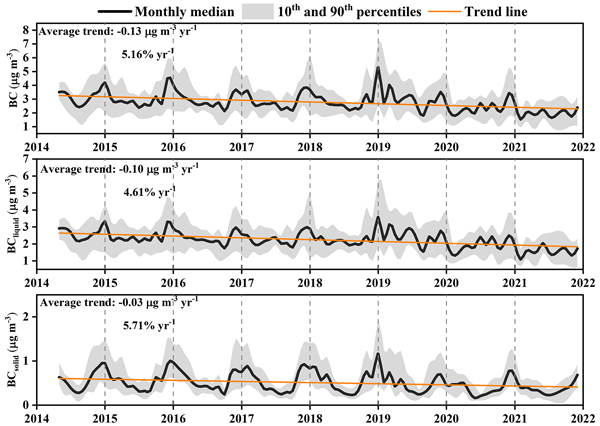
To improve air quality, the Chinese government has implemented strict clean-air measures. We explored how black carbon (BC) responded to these measures and found that a reduction in liquid fuel use was the main factor driving a decrease in BC levels. Additionally, meteorological factors also played a significant role in the long-term trends of BC. These factors should be considered in future emission reduction policies to further enhance air quality improvements.
Mingjie Kang, Mengying Bao, Wenhuai Song, Aduburexiati Abulimiti, Changliu Wu, Fang Cao, Sönke Szidat, and Yanlin Zhang
Atmos. Chem. Phys., 25, 73–91, https://doi.org/10.5194/acp-25-73-2025, https://doi.org/10.5194/acp-25-73-2025, 2025
Short summary
Short summary
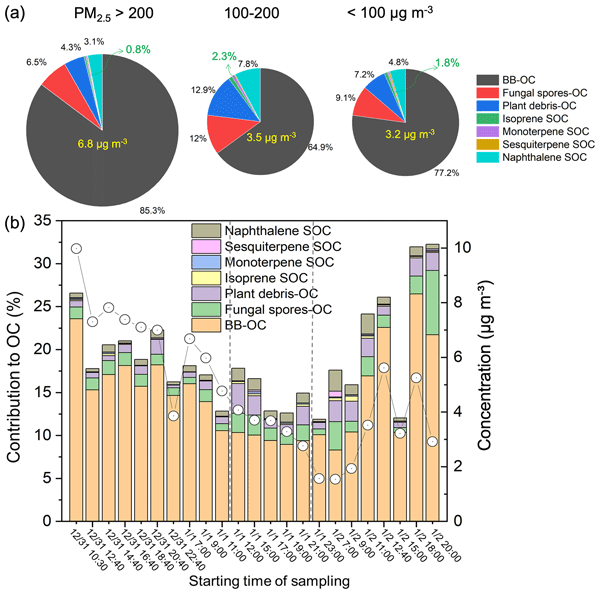
Reports on molecular-level knowledge of high-temporal-resolution particulate matter ≤2.5 µm in diameter (PM2.5) on hazy days are limited. We investigated various PM2.5 species and their sources. The results show biomass burning (BB) was the main source of organic carbon. Moreover, BB enhanced fungal spore emissions and secondary aerosol formation. The contribution of non-fossil sources increased with increasing haze pollution, suggesting BB may be an important driver of haze events in winter.
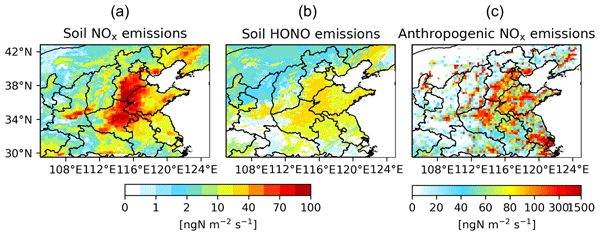
Tong Sha, Siyu Yang, Qingcai Chen, Liangqing Li, Xiaoyan Ma, Yan-Lin Zhang, Zhaozhong Feng, K. Folkert Boersma, and Jun Wang
Atmos. Chem. Phys., 24, 8441–8455, https://doi.org/10.5194/acp-24-8441-2024, https://doi.org/10.5194/acp-24-8441-2024, 2024
Short summary
Short summary
Using an updated soil reactive nitrogen emission scheme in the Unified Inputs for Weather Research and Forecasting coupled with Chemistry (UI-WRF-Chem) model, we investigate the role of soil NO and HONO (Nr) emissions in air quality and temperature in North China. Contributions of soil Nr emissions to O3 and secondary pollutants are revealed, exceeding effects of soil NOx or HONO emission. Soil Nr emissions play an important role in mitigating O3 pollution and addressing climate change.
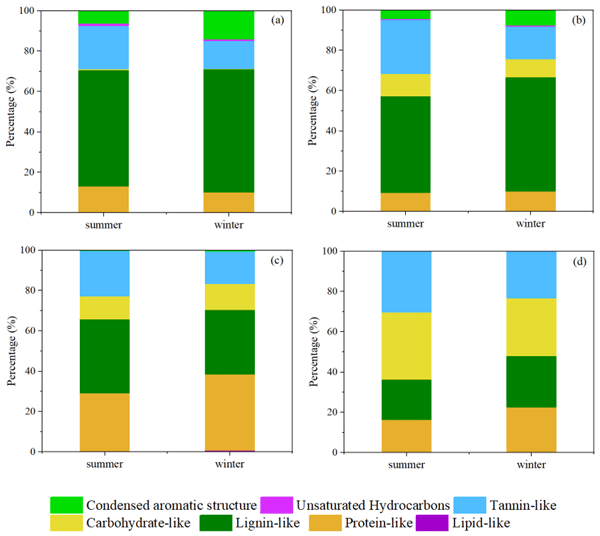
Mengying Bao, Yan-Lin Zhang, Fang Cao, Yihang Hong, Yu-Chi Lin, Mingyuan Yu, Hongxing Jiang, Zhineng Cheng, Rongshuang Xu, and Xiaoying Yang
Atmos. Chem. Phys., 23, 8305–8324, https://doi.org/10.5194/acp-23-8305-2023, https://doi.org/10.5194/acp-23-8305-2023, 2023
Short summary
Short summary
The interaction between the sources and molecular compositions of humic-like substances (HULIS) at Nanjing, China, was explored. Significant fossil fuel source contributions to HULIS were found in the 14C results from biomass burnng and traffic emissions. Increasing biogenic secondary organic aerosol (SOA) products and anthropogenic aromatic compounds were detected in summer and winter, respectively.
Hao-Ran Yu, Yan-Lin Zhang, Fang Cao, Xiao-Ying Yang, Tian Xie, Yu-Xian Zhang, and Yongwen Xue
Atmos. Meas. Tech. Discuss., https://doi.org/10.5194/amt-2022-239, https://doi.org/10.5194/amt-2022-239, 2022
Preprint withdrawn
Short summary
Short summary
We developed a high time resolution method for determining the δ13C values of WSOCp and WSOCg by combination of wet oxidation pretreatment and IRMS. With improvement of oxidation method and determination method, δ13C value of liquid sample with a carbon content between 0.5 to 5 μg can be determined with an accuracy of 0.6 ‰. Using this method, the δ13C value of WSOCp and WSOCg in winter of 2021 at an urban site of Nanjing were determined, which were -25.9 ± 0.7 ‰ and -29.9 ± 0.9 ‰ respectively.
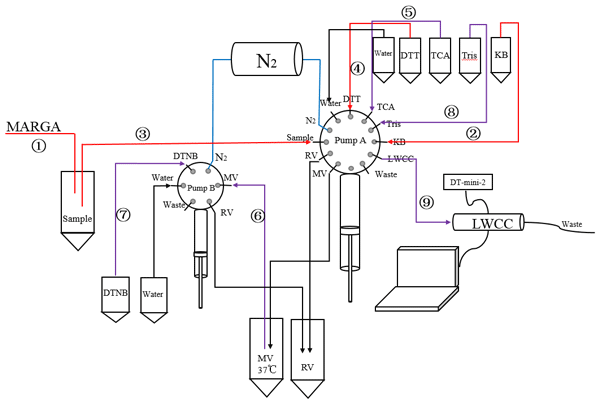
Jiyan Wu, Chi Yang, Chunyan Zhang, Fang Cao, Aiping Wu, and Yanlin Zhang
Atmos. Meas. Tech., 15, 2623–2633, https://doi.org/10.5194/amt-15-2623-2022, https://doi.org/10.5194/amt-15-2623-2022, 2022
Short summary
Short summary
We introduced an online method to simultaneously determine the content of inorganic salt ions and reactive oxygen species (ROS) in PM2.5 hour by hour. We verified the accuracy and precision of the instrument. And we got the daily changes in ROS and the main sources that affect ROS. This breakthrough enables the quantitative assessment of atmospheric particulate matter ROS at the diurnal scale, providing an effective tool to study sources and environmental impacts of ROS.
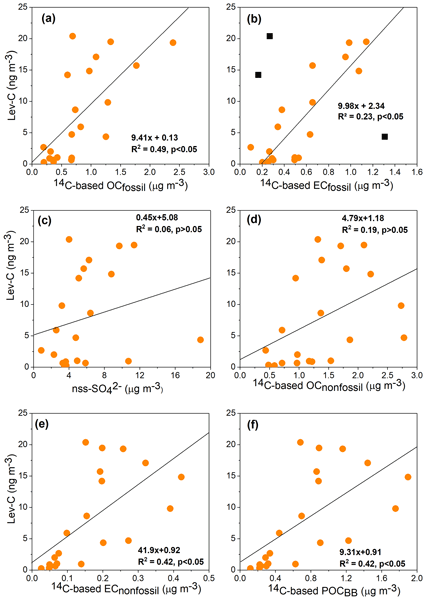
Md. Mozammel Haque, Yanlin Zhang, Srinivas Bikkina, Meehye Lee, and Kimitaka Kawamura
Atmos. Chem. Phys., 22, 1373–1393, https://doi.org/10.5194/acp-22-1373-2022, https://doi.org/10.5194/acp-22-1373-2022, 2022
Short summary
Short summary
We attempt to understand the current state of East Asian organic aerosols with both the molecular marker approach and 14° C data of carbonaceous components. A significant positive correlation of nonfossil- and fossil-derived organic carbon with levoglucosan suggests the importance of biomass burning (BB) and coal combustion sources in the East Asian outflow. Thus, attribution of ambient levoglucosan levels over the western North Pacific to the impact of BB emission may cause large uncertainty.
Ahsan Mozaffar, Yan-Lin Zhang, Yu-Chi Lin, Feng Xie, Mei-Yi Fan, and Fang Cao
Atmos. Chem. Phys., 21, 18087–18099, https://doi.org/10.5194/acp-21-18087-2021, https://doi.org/10.5194/acp-21-18087-2021, 2021
Short summary
Short summary
We performed a long-term investigation of ambient volatile organic compounds (VOCs) in an industrial area in Nanjing, China. Followed by alkanes, halocarbons and aromatics were the most abundant VOC groups. Vehicle-related emissions were the major VOC sources in the study area. Aromatic and alkene VOCs were responsible for most of the atmospheric reactions.
Cited articles
Barsanti, K. and Pankow, J.: Thermodynamics of the formation of atmospheric organic particulate matter by accretion reactions – Part 3: Carboxylic and dicarboxylic acids, Atmos. Environ., 40, 6676–6686, https://doi.org/10.1016/j.atmosenv.2006.03.013, 2006.
Bates, T., Calhoun, J., and Quinn, P.: Variations in the methanesulfonate to sulfate molar ratio in marine aerosol particles over the South Pacific Ocean, J. Geophys. Res., 97, 9859–9865, https://doi.org/10.1029/92JD00411, 1992.
Bates, T. S., Quinn, P. K., Frossard, A. A., Russell, L. M., Hakala, J., Petäjä, T., Kulmala, M., Covert, D. S., Cappa, C. D., Li, S. M., Hayden, K. L., Nuaaman, I., McLaren, R., Massoli, P., Canagaratna, M. R., Onasch, T. B., Sueper, D., Worsnop, D. R., and Keene, W. C.: Measurements of ocean derived aerosol off the coast of California, J. Geophys. Res.-Atmos., 117, https://doi.org/10.1029/2012jd017588, 2012.
Bauer, H., Claeys, M., Vermeylen, R., Schüller, E., Weinke, G., Berger, A., and Puxbaum, H.: Arabitol and mannitol as tracers for a quantification of airborne fungal spores, Atmos. Environ., 42, 588–593, https://doi.org/10.1016/j.atmosenv.2007.10.013, 2008.
Behera, S. N., Sharma, M., Aneja, V. P., and Balasubramanian, R.: Ammonia in the atmosphere: a review on emission sources, atmospheric chemistry and deposition on terrestrial bodies, Environ. Sci. Pollut. R., 20, 8092–8131, https://doi.org/10.1007/s11356-013-2051-9, 2013.
Bzdek, B. R., Ridge, D. P., and Johnston, M. V.: Amine exchange into ammonium bisulfate and ammonium nitrate nuclei, Atmos. Chem. Phys., 10, 3495–3503, https://doi.org/10.5194/acp-10-3495-2010, 2010.
Calderón, S., Poor, N., and Campbell, S.: Estimation of the particle and gas scavenging contributions to wet deposition of organic nitrogen, Atmos. Environ., 41, 4281–4290, https://doi.org/10.1016/j.atmosenv.2006.06.067, 2007.
Cao, F., Zhang, Y.-X., Zhang, Y.-L., Song, W.-H., Zhang, Y.-X., Lin, Y.-C., Gul, C., and Haque, M. M.: Molecular compositions of marine organic aerosols over the Bohai and Yellow Seas: Influence of primary emission and secondary formation, Atmos. Res., 297, 107088, https://doi.org/10.1016/j.atmosres.2023.107088, 2024.
Carpenter, L., Archer, S., and Beale, R.: Ocean-atmosphere trace gas exchange, Chem. Soc. Rev., 41, 6473–6506, https://doi.org/10.1039/c2cs35121h, 2012.
Chan, L. and Chan, C.: Role of the Aerosol Phase State in Ammonia/Amines Exchange Reactions, Environ. Sci. Technol., 47, 5755–5762, https://doi.org/10.1021/es4004685, 2013.
Chen, D., Yao, X., Chan, C. K., Tian, X., Chu, Y., Clegg, S. L., Shen, Y., Gao, Y., and Gao, H.: Competitive Uptake of Dimethylamine and Trimethylamine against Ammonia on Acidic Particles in Marine Atmospheres, Environ. Sci. Technol., 56, 5430–5439, https://doi.org/10.1021/acs.est.1c08713, 2022.
Chen, Y., Patel, N., Crombie, A., Scrivens, J., and Murrell, J.: Bacterial flavin-containing monooxygenase is trimethylamine monooxygenase, P. Natl. Acad. Sci. USA, 108, 17791–17796, https://doi.org/10.1073/pnas.1112928108, 2011.
Chen, Y., Tian, M., Huang, R.-J., Shi, G., Wang, H., Peng, C., Cao, J., Wang, Q., Zhang, S., Guo, D., Zhang, L., and Yang, F.: Characterization of urban amine-containing particles in southwestern China: seasonal variation, source, and processing, Atmos. Chem. Phys., 19, 3245–3255, https://doi.org/10.5194/acp-19-3245-2019, 2019.
Cheng, C., Huang, Z., Chan, C. K., Chu, Y., Li, M., Zhang, T., Ou, Y., Chen, D., Cheng, P., Li, L., Gao, W., Huang, Z., Huang, B., Fu, Z., and Zhou, Z.: Characteristics and mixing state of amine-containing particles at a rural site in the Pearl River Delta, China, Atmos. Chem. Phys., 18, 9147–9159, https://doi.org/10.5194/acp-18-9147-2018, 2018.
Cheng, G., Hu, Y., Sun, M., Chen, Y., Chen, Y., Zong, C., Chen, J., and Ge, X.: Characteristics and potential source areas of aliphatic amines in PM2.5 in Yangzhou, China, Atmos. Pollut. Res., 11, 296–302, https://doi.org/10.1016/j.apr.2019.11.002, 2020.
Chu, Y., Sauerwein, M., and Chan, C. K.: Hygroscopic and phase transition properties of alkyl aminium sulfates at low relative humidities, Phys. Chem. Chem. Phys., 17, 19789–19796, https://doi.org/10.1039/C5CP02404H, 2015.
Corral, A. F., Choi, Y., Collister, B. L., Crosbie, E., Dadashazar, H., DiGangi, J. P., Diskin, G. S., Fenn, M., Kirschler, S., Moore, R. H., Nowak, J. B., Shook, M. A., Stahl, C. T., Shingler, T., Thornhill, K. L., Voigt, C., Ziemba, L. D., and Sorooshian, A.: Dimethylamine in cloud water: a case study over the northwest Atlantic Ocean, Environmental Science: Atmospheres, 2, 1534–1550, https://doi.org/10.1039/D2EA00117A, 2022.
Dall'Osto, M., Airs, R., Beale, R., Cree, C., Fitzsimons, M., Beddows, D., Harrison, R., Ceburnis, D., O'Dowd, C., Rinaldi, M., Paglione, M., Nenes, A., Decesari, S., and Simó, R.: Simultaneous Detection of Alkylamines in the Surface Ocean and Atmosphere of the Antarctic Sympagic Environment, ACS Earth and Space Chemistry, 3, 854–862, https://doi.org/10.1021/acsearthspacechem.9b00028, 2019.
Du, W., Wang, X., Yang, F., Bai, K., Wu, C., Liu, S., Wang, F., Lv, S., Chen, Y., Wang, J., Liu, W., Wang, L., Chen, X., and Wang, G.: Particulate Amines in the Background Atmosphere of the Yangtze River Delta, China: Concentration, Size Distribution, and Sources, Adv. Atmos. Sci., 38, 1128–1140, https://doi.org/10.1007/s00376-021-0274-0, 2021.
Facchini, M., Decesari, S., Rinaldi, M., Carbone, C., Finessi, E., Mircea, M., Sandro, F., Moretti, F., Tagliavini, E., Ceburnis, D., and O'Dowd, C.: Important Source of Marine Secondary Organic Aerosol from Biogenic Amines, Environ. Sci. Technol., 42, 9116–9121, https://doi.org/10.1021/es8018385, 2008a.
Facchini, M., Rinaldi, M., Decesari, S., Carbone, C., Finessi, E., Mircea, M., Sandro, F., Ceburnis, D., Flanagan, R., Nilsson, E., de Leeuw, G., Martino, M., Woeltjen, J., and Dowd, C.: Primary submicron marine aerosol dominated by insoluble organic colloids and aggregates, Geophys. Res. Lett., 35, L17814, https://doi.org/10.1029/2008GL034210, 2008b.
Fan, M.-Y., Zhang, Y.-L., Lin, Y.-C., Chang, Y.-H., Cao, F., Zhang, W.-Q., Hu, Y.-B., Bao, M.-Y., Liu, X.-Y., Zhai, X.-Y., Lin, X., Zhao, Z.-Y., and Song, W.-H.: Isotope-based source apportionment of nitrogen-containing aerosols: A case study in an industrial city in China, Atmos. Environ., 212, 96–105, https://doi.org/10.1016/j.atmosenv.2019.05.020, 2019.
Fang, Y., Chen, Y., Tian, C., Lin, T., Hu, L., Li, J., and Zhang, G.: Application of PMF receptor model merging with PAHs signatures for source apportionment of black carbon in the continental shelf surface sediments of the Bohai and Yellow Seas, China, J. Geophys. Res.-Oceans, 121, 1346–1359, https://doi.org/10.1002/2015JC011214, 2016.
Feng, H., Ye, X., Liu, Y., Wang, Z., Gao, T., Cheng, A., and Chen, J.: Simultaneous Determination of Nine Atmospheric Amines and Six Inorganic Ions by Non-suppressed Ion Chromatography Using Acetonitrile and 18-Crown-6 as Eluent Additive, J. Chromatogr. A, 461234, https://doi.org/10.1016/j.chroma.2020.461234, 2020.
Feng, X., Wang, C., Feng, Y., Junjie, C., Zhang, Y., Qi, X., Li, Q., Li, J., and Chen, Y.: Outbreaks of Ethyl-Amines during Haze Episodes in North China Plain: A Potential Source of Amines from Ethanol Gasoline Vehicle Emission, Environ. Sci. Tech. Let., 9, 306–311, https://doi.org/10.1021/acs.estlett.2c00145, 2022.
Gaston, C., Quinn, P., Bates, T., Gilman, J., Bon, D., Kuster, W., and Prather, K.: The impact of shipping, agricultural, and urban emissions on single particle chemistry observed aboard the R/V Atlantis during CalNex, J. Geophys. Res.-Atmos., 118, 5003–5017, https://doi.org/10.1002/jgrd.50427, 2013.
Ge, X., Wexler, A., and Clegg, S.: Atmospheric amines – Part I. A review, Atmos. Environ., 45, 524–546, https://doi.org/10.1016/j.atmosenv.2010.10.012, 2011a.
Ge, X., Wexler, A., and Clegg, S.: Atmospheric amines – Part II. Thermodynamic properties and gas/particle partitioning, Atmos. Environ., 45, 561–577, https://doi.org/10.1016/j.atmosenv.2010.10.013, 2011b.
Gibb, S., Mantoura, R., and Liss, P.: Ocean-atmosphere exchange and atmospheric speciation of ammonia and methylamines in the region of the NW Arabian Sea, Global Biogeochem. Cy., 13, 161–178, https://doi.org/10.1029/98GB00743, 1999.
Gomez-Hernandez, M., McKeown, M., Secrest, J., Marrero-Ortiz, W., Lavi, A., Rudich, Y., Collins, D. R., and Zhang, R.: Hygroscopic Characteristics of Alkylaminium Carboxylate Aerosols, Environ. Sci. Technol., 50, 2292–2300, https://doi.org/10.1021/acs.est.5b04691, 2016.
Gorzelska, K. and Galloway, J.: Amine nitrogen in the atmospheric environment over the North Atlantic Ocean, Global Biogeochem. Cy., 4, 309–333, https://doi.org/10.1029/GB004i003p00309, 1990.
Haque, Md. M., Kawamura, K., Deshmukh, D. K., Fang, C., Song, W., Mengying, B., and Zhang, Y.-L.: Characterization of organic aerosols from a Chinese megacity during winter: predominance of fossil fuel combustion, Atmos. Chem. Phys., 19, 5147–5164, https://doi.org/10.5194/acp-19-5147-2019, 2019.
He, Q., Ding, X., Fu, X.-X., Zhang, Y.-Q., Wang, J.-Q., Liu, Y.-X., Tang, M.-J., Wang, X., and Rudich, Y.: Secondary Organic Aerosol Formation from Isoprene Epoxides in the Pearl River Delta, South China: IEPOX- and HMML-Derived Tracers, J. Geophys. Res.-Atmos., 123, 6999–7012, https://doi.org/10.1029/2017JD028242, 2018.
Hemmilä, M., Hellén, H., Virkkula, A., Makkonen, U., Praplan, A. P., Kontkanen, J., Ahonen, L., Kulmala, M., and Hakola, H.: Amines in boreal forest air at SMEAR II station in Finland, Atmos. Chem. Phys., 18, 6367–6380, https://doi.org/10.5194/acp-18-6367-2018, 2018.
Hu, Q., Yu, P., Zhu, Y., Li, K., Gao, H., and Yao, X.: Concentration, Size Distribution, and Formation of Trimethylaminium and Dimethylaminium Ions in Atmospheric Particles over Marginal Seas of China, J. Atmos. Sci., 72, 150522112638006, https://doi.org/10.1175/JAS-D-14-0393.1, 2015.
Huang, S., Song, Q., Hu, W., Yuan, B., Liu, J., Jiang, B., Li, W., Wu, C., Jiang, F., Chen, W., Wang, X., and Shao, M.: Chemical composition and sources of amines in PM2.5 in an urban site of PRD, China, Environ. Res., 212, 113261, https://doi.org/10.1016/j.envres.2022.113261, 2022.
Huang, X., Kao, S.-J., Lin, J., Qin, X., and Deng, C.: Development and validation of a HPLC/FLD method combined with online derivatization for the simple and simultaneous determination of trace amino acids and alkyl amines in continental and marine aerosols, PLOS ONE, 13, e0206488, https://doi.org/10.1371/journal.pone.0206488, 2018.
Johnson, J. and Jen, C.: Role of Methanesulfonic Acid in Sulfuric Acid–Amine and Ammonia New Particle Formation, ACS Earth and Space Chemistry, 7, 653–660, https://doi.org/10.1021/acsearthspacechem.3c00017, 2023.
Kanawade, V. P. and Jokinen, T.: Atmospheric amines are a crucial yet missing link in Earth's climate via airborne aerosol production, Communications Earth & Environment, 6, 98, https://doi.org/10.1038/s43247-025-02063-0, 2025.
Kang, M., Fu, P., Kawamura, K., Yang, F., Zhang, H., Zang, Z., Ren, H., Ren, L., Zhao, Y., Sun, Y., and Wang, Z.: Characterization of biogenic primary and secondary organic aerosols in the marine atmosphere over the East China Sea, Atmos. Chem. Phys., 18, 13947–13967, https://doi.org/10.5194/acp-18-13947-2018, 2018.
Kleindienst, T., Jaoui, M., Lewandowski, M., Offenberg, J., Lewis, C., Bhave, P., and Edney, E.: Estimates of the contributions of biogenic and anthropogenic hydrocarbons to secondary organic aerosol at a southern US location, Atmos. Environ., 41, 8288–8300, https://doi.org/10.1016/j.atmosenv.2007.06.045, 2007.
Köllner, F., Schneider, J., Willis, M. D., Klimach, T., Helleis, F., Bozem, H., Kunkel, D., Hoor, P., Burkart, J., Leaitch, W. R., Aliabadi, A. A., Abbatt, J. P. D., Herber, A. B., and Borrmann, S.: Particulate trimethylamine in the summertime Canadian high Arctic lower troposphere, Atmos. Chem. Phys., 17, 13747–13766, https://doi.org/10.5194/acp-17-13747-2017, 2017.
Lee, D. and Wexler, A.: Atmospheric amines – Part III: Photochemistry and toxicity, Atmos. Environ., 71, 95–103, https://doi.org/10.1016/j.atmosenv.2013.01.058, 2013.
Li, G., Liao, Y., Hu, J., Lu, L., Zhang, Y., Li, B., and An, T.: Activation of NF-κB pathways mediating the inflammation and pulmonary diseases associated with atmospheric methylamine exposure, Environ. Pollut., 252, 1216–1224, https://doi.org/10.1016/j.envpol.2019.06.059, 2019a.
Li, J., Wang, G., Zhang, Q., Li, J., Wu, C., Jiang, W., Zhu, T., and Zeng, L.: Molecular characteristics and diurnal variations of organic aerosols at a rural site in the North China Plain with implications for the influence of regional biomass burning, Atmos. Chem. Phys., 19, 10481–10496, https://doi.org/10.5194/acp-19-10481-2019, 2019b.
Lidbury, I., Chen, Y., and Murrell, J.: Trimethylamine and trimethylamine N-oxide are supplementary energy sources for a marine heterotrophic bacterium: Implications for marine carbon and nitrogen cycling, ISME J., 9, 760–769, https://doi.org/10.1038/ismej.2014.149, 2015.
Lidbury, I., Mausz, M., Scanlan, D., and Chen, Y.: Identification of dimethylamine monooxygenase in marine bacteria reveals a metabolic bottleneck in the methylated amine degradation pathway, ISME J., 11, 1592–1601, https://doi.org/10.1038/ismej.2017.31, 2017.
Lin, P., Laskin, J., Nizkorodov, S., and Laskin, A.: Revealing Brown Carbon Chromophores Produced in Reactions of Methylglyoxal with Ammonium Sulfate, Environ. Sci. Technol., 49, 14257–14266, https://doi.org/10.1021/acs.est.5b03608, 2015.
Lin, Q., Zhang, G., Peng, L., Bi, X., Wang, X., Brechtel, F. J., Li, M., Chen, D., Peng, P., Sheng, G., and Zhou, Z.: In situ chemical composition measurement of individual cloud residue particles at a mountain site, southern China, Atmos. Chem. Phys., 17, 8473–8488, https://doi.org/10.5194/acp-17-8473-2017, 2017.
Liu, F., Bi, X., Zhang, G., Peng, L., Lian, X., Lu, H., Fu, Y., Wang, X., Peng, P. A., and Sheng, G.: Concentration, size distribution and dry deposition of amines in atmospheric particles of urban Guangzhou, China, Atmos. Environ., 171, 279–288, https://doi.org/10.1016/j.atmosenv.2017.10.016, 2017.
Liu, F., Bi, X., Zhang, G., Lian, X., Fu, Y., Yang, Y., Lin, Q., Jiang, F., Wang, X., Peng, P. a., and Sheng, G.: Gas-to-particle partitioning of atmospheric amines observed at a mountain site in southern China, Atmos. Environ., 195, 1–11, https://doi.org/10.1016/j.atmosenv.2018.09.038, 2018.
Liu, T., Xu, Y., Sun, Q., Zhu, R.-G., Li, C. X., Li, Z. Y., Zhang, K. Q., Sun, C. X., and Xiao, H. Y.: Characteristics, Origins, and Atmospheric Processes of Amines in Fine Aerosol Particles in Winter in China, J. Geophys. Res.-Atmos., 128, e2023JD038974, https://doi.org/10.1029/2023JD038974, 2023.
Liu, Z., Li, M., Wang, X., Liang, Y., Jiang, Y., Chen, J., Mu, J., Zhu, Y., Meng, H., Yang, L., Hou, K., Wang, Y., and Xue, L.: Large contributions of anthropogenic sources to amines in fine particles at a coastal area in northern China in winter, Sci. Total Environ., 839, 156281, https://doi.org/10.1016/j.scitotenv.2022.156281, 2022.
Marrero-Ortiz, W., Hu, M., Du, Z., Ji, Y.-M., Wang, Y., Guo, S., Lin, Y., Gomez-Hermandez, M., Peng, J., Li, Y., Secrest, J., Levy Zamora, M., Wang, Y., An, T., and Zhang, R.: Formation and Optical Properties of Brown Carbon from Small α-Dicarbonyls and Amines, Environ. Sci. Technol., 53, 117–126, https://doi.org/10.1021/acs.est.8b03995, 2018.
Medeiros, P., Conte, M., Weber, J., and Simoneit, B.: Sugars as source indicators of biogenic organic carbon in aerosols collected above the Howland Experimental Forest, Maine, Atmos. Environ., 40, 1694–1705, https://doi.org/10.1016/j.atmosenv.2005.11.001, 2006.
Milne, P. and Zika, R.: Amino acid nitrogen in atmospheric aerosols: Occurrence, sources and photochemical modification, J. Atmos. Chem., 16, 361–398, https://doi.org/10.1007/BF01032631, 1993.
Miyazaki, Y., Kawamura, K., and Sawano, M.: Size distributions and chemical characterization of water-soluble organic aerosols over the western North Pacific in summer, J. Geophys. Res., 115, 210, https://doi.org/10.1029/2010JD014439, 2010.
Mochida, M., Kawabata, A., Kawamura, K., Hatsushika, H., and Yamazaki, K.: Seasonal variation and origin of dicarboxylic acids in the marine atmosphere over the western North Pacific, J. Geophys. Res., 108, 4193, https://doi.org/10.1029/2002JD002355, 2003.
Müller, C., Iinuma, Y., Karstensen, J., van Pinxteren, D., Lehmann, S., Gnauk, T., and Herrmann, H.: Seasonal variation of aliphatic amines in marine sub-micrometer particles at the Cape Verde islands, Atmos. Chem. Phys., 9, 9587–9597, https://doi.org/10.5194/acp-9-9587-2009, 2009.
Myriokefalitakis, S., Elisabetta, V., Tsigaridis, K., Papadimas, C. D., Sciare, J., Mihalopoulos, N., Facchini, M., Matteo, R., Dentener, F., Ceburnis, D., Hatzianastassiou, N., O'Dowd, C., van Weele, M., and Kanakidou, M.: Global Modeling of the Oceanic Source of Organic Aerosols, Adv. Meteorol., 2010, https://doi.org/10.1155/2010/939171, 2010.
Nakamura, T., Matsumoto, K., and Uematsu, M.: Chemical characteristics of aerosols transported from Asia to the East China Sea: An evaluation of anthropogenic combined nitrogen deposition in autumn, Atmos. Environ., 39, 1749–1758, https://doi.org/10.1016/j.atmosenv.2004.11.037, 2005.
Namieśnik, J., Jastrzebska, A., and Zygmunt, B.: Determination of volatile aliphatic amines in air by solid-phase microextraction coupled with gas chromatography with flame ionization detection, J. Chromatogr. A, 1016, 1–9, https://doi.org/10.1016/S0021-9673(03)01296-2, 2003.
Ng, N. L., Canagaratna, M. R., Jimenez, J. L., Chhabra, P. S., Seinfeld, J. H., and Worsnop, D. R.: Changes in organic aerosol composition with aging inferred from aerosol mass spectra, Atmos. Chem. Phys., 11, 6465–6474, https://doi.org/10.5194/acp-11-6465-2011, 2011.
Nielsen, C. J., Herrmann, H., and Weller, C.: Atmospheric chemistry and environmental impact of the use of amines in carbon capture and storage (CCS), Chem. Soc. Rev., 41, 6684–6704, https://doi.org/10.1039/c2cs35059a, 2012.
Pankow, J.: Phase Considerations in the Gas/Particle Partitioning of Organic Amines in the Atmosphere, Atmos. Environ., 122, 448–453, https://doi.org/10.1016/j.atmosenv.2015.09.056, 2015.
Place, B. K., Quilty, A. T., Di Lorenzo, R. A., Ziegler, S. E., and VandenBoer, T. C.: Quantitation of 11 alkylamines in atmospheric samples: separating structural isomers by ion chromatography, Atmos. Meas. Tech., 10, 1061–1078, https://doi.org/10.5194/amt-10-1061-2017, 2017.
Price, D., Clark, C., Tang, X., Cocker, D., Purvis-Roberts, K., and Silva, P.: Proposed chemical mechanisms leading to secondary organic aerosol in the reactions of aliphatic amines with hydroxyl and nitrate radicals, Atmos. Environ., 96, 135–144, https://doi.org/10.1016/j.atmosenv.2014.07.035, 2014.
Price, D., Kacarab, M., Cocker, D., Purvis-Roberts, K., and Silva, P.: Effects of Temperature on the Formation of Secondary Organic Aerosol from Amine Precursors, Aerosol Sci. Tech., 50, 1216–1226, https://doi.org/10.1080/02786826.2016.1236182, 2016.
Qiu, C. and Zhang, R.: Multiphase chemistry of atmospheric amines, Phys. Chem. Chem. Phys., 15, 5738–5752, https://doi.org/10.1039/c3cp43446j, 2013.
Rinaldi, M., Decesari, S., Finessi, E., Giulianelli, L., Carbone, C., Fuzzi, S., O'Dowd, C. D., Ceburnis, D., and Facchini, M. C.: Primary and Secondary Organic Marine Aerosol and Oceanic Biological Activity: Recent Results and New Perspectives for Future Studies, Adv. Meteorol., 2010, 1–10, https://doi.org/10.1155/2010/310682, 2010.
Rogge, W., Hildemann, L., Mazurek, M., Cass, G., and Simoneit, B.: Sources of Fine Organic Aerosol. 3. Road Dust, Tire Debris, and Organometallic Brake Lining Dust: Roads as Sources and Sinks, Environ. Sci. Technol., 27, 1892–1904, https://doi.org/10.1021/es00046a019, 1993.
Schade, G. and Crutzen, P.: Emission of aliphatic amines from animal husbandry and their reactions: Potential source of N2O and HCN, J. Atmos. Chem., 22, 319–346, https://doi.org/10.1007/BF00696641, 1995.
Shen, J., Xie, H.-B., Elm, J., Ma, F., Chen, J., and Vehkamäki, H.: Methanesulfonic Acid-driven New Particle Formation Enhanced by Monoethanolamine: A Computational Study, Environ. Sci. Technol., 53, 14387–14397, https://doi.org/10.1021/acs.est.9b05306, 2019.
Shen, W., Ren, L., Zhao, Y., Zhou, L., Dai, L., Ge, X., Kong, S., Yan, Q., Xu, H., Jiang, Y., He, J., Chen, M., and Yu, H.: C1-C2 alkyl aminiums in urban aerosols: Insights from ambient and fuel combustion emission measurements in the Yangtze River Delta region of China, Environ. Pollut., 230, 12–21, https://doi.org/10.1016/j.envpol.2017.06.034, 2017.
Shen, X., Chen, J., and An, T.: A new advance in pollution profile, transformation process, and contribution to SOA formation of atmospheric organic amines, Environmental Science: Atmospheres, 3, 444–473, https://doi.org/10.1039/D2EA00167E, 2023.
Simoneit, B., Sheng, G., Chen, X., Fu, J., Zhang, J., and Xu, Y.: Molecular marker study of extractable organic matter in aerosols from urban areas of China, Atmos. Environ. A-Gen., 25, 2111–2129, https://doi.org/10.1016/0960-1686(91)90088-O, 1991.
Simoneit, B., Elias, V., Kobayashi, M., Kawamura, K., Rushdi, A., Medeiros, P., Rogge, W., and Didyk, B.: SugarsDominant Water-Soluble Organic Compounds in Soils and Characterization as Tracers in Atmospheric Particulate Matter, Environ. Sci. Technol., 38, 5939–5949, https://doi.org/10.1021/es0403099, 2004.
Sorooshian, A., Murphy, S. M., Hersey, S., Gates, H., Padro, L. T., Nenes, A., Brechtel, F. J., Jonsson, H., Flagan, R. C., and Seinfeld, J. H.: Comprehensive airborne characterization of aerosol from a major bovine source, Atmos. Chem. Phys., 8, 5489–5520, https://doi.org/10.5194/acp-8-5489-2008, 2008.
Sun, J., Mausz, M., Chen, Y., and Giovannoni, S.: Microbial Trimethylamine Metabolism in Marine Environments: Microbial TMA metabolism, Environ. Microbiol., 21, 513–520, https://doi.org/10.1111/1462-2920.14461, 2019.
Tang, X., Price, D., Praske, E., Lee, S. A., Shattuck, M. A., Purvis-Roberts, K., Silva, P. J., Asa-Awuku, A., and Cocker, D. R.: NO3 radical, OH radical and O3-initiated secondary aerosol formation from aliphatic amines, Atmos. Environ., 72, 105–112, https://doi.org/10.1016/j.atmosenv.2013.02.024, 2013.
Tang, X., Price, D., Praske, E., Vu, D. N., Purvis-Roberts, K., Silva, P. J., Cocker III, D. R., and Asa-Awuku, A.: Cloud condensation nuclei (CCN) activity of aliphatic amine secondary aerosol, Atmos. Chem. Phys., 14, 5959–5967, https://doi.org/10.5194/acp-14-5959-2014, 2014.
Van Neste, A., Duce, R. A., and Lee, C.: Methylamines in the Marine Atmosphere, Geophys. Res. Lett., 14, 711–714, https://doi.org/10.1029/GL014i007p00711, 1987.
van Pinxteren, M., Fomba, K., van Pinxteren, D., Triesch, N., Hoffmann, E., Cree, C., Fitzsimons, M., Tümpling, W., and Herrmann, H.: Aliphatic amines at the Cape Verde Atmospheric Observatory: Abundance, origins and sea-air fluxes, Atmos. Environ., 203, 183–195, https://doi.org/10.1016/j.atmosenv.2019.02.011, 2019.
VandenBoer, T., Markovic, M., Petroff, A., Czar, M. F., Borduas, N., and Murphy, J. G.: Ion chromatographic separation and quantitation of alkyl methylamines and ethylamines in atmospheric gas and particulate matter using preconcentration and suppressed conductivity detection, J. Chromatogr. A, 1252, 74–83, https://doi.org/10.1016/j.chroma.2012.06.062, 2012.
Violaki, K. and Mihalopoulos, N.: Water-soluble organic nitrogen (WSON) in size-segregated atmospheric particles over the Eastern Mediterranean, Atmos. Environ., 44, 4339–4345, https://doi.org/10.1016/j.atmosenv.2010.07.056, 2010.
Wang, X.-C. and Lee, C.: Sources and distribution of aliphatic amines in salt marsh sediment, Org. Geochem., 22, 1005–1021, https://doi.org/10.1016/0146-6380(94)90034-5, 1994.
Welsh, D.: Ecological significance of compatible solute accumulation by micro-organisms: From single cells to global climate, FEMS Microbiol. Rev., 24, 263–290, https://doi.org/10.1111/j.1574-6976.2000.tb00542.x, 2000.
Xie, H., Feng, L., Hu, Q., Zhu, Y., Gao, H., Gao, Y., and Yao, X.: Concentration and size distribution of water-extracted dimethylaminium and trimethylaminium in atmospheric particles during nine campaigns – Implications for sources, phase states and formation pathways, Sci. Total Environ., 631–632, 130–141, https://doi.org/10.1016/j.scitotenv.2018.02.303, 2018.
Yang, H., Xu, J., Wu, W.-S., Wan, C., and Yu, J.: Chemical Characterization of Water-Soluble Organic Aerosols at Jeju Island Collected During ACE-Asia, Environ. Chem., 1, 13–17, https://doi.org/10.1071/EN04006, 2004.
Yang, X.-Y., Cao, F., Fan, M., Lin, Y. C., Xie, F., and Zhang, Y.: Seasonal variations of low molecular alkyl amines in PM2.5 in a North China Plain industrial city: Importance of secondary formation and combustion emissions, Sci. Total Environ., 857, 159371, https://doi.org/10.1016/j.scitotenv.2022.159371, 2023.
Yao, L., Garmash, O., Bianchi, F., Zheng, J., Yan, C., Kontkanen, J., Junninen, H., Mazon, S., Ehn, M., Paasonen, P., Sipilä, M., Wang, M., Wang, X., Xiao, S., Chen, H., Lu, Y., Zhang, B., Wang, D., Fu, Q., and Wang, L.: Atmospheric new particle formation from sulfuric acid and amines in a Chinese megacity, Science, 361, 278–281, https://doi.org/10.1126/science.aao4839, 2018.
Yin, S., Ge, M.-F., Wang, W., Liu, Z., and Wang, D.: Uptake of gas-phase alkylamines by sulfuric acid, Chinese Sci. Bull., 56, 1241–1245, https://doi.org/10.1007/s11434-010-4331-9, 2011.
You, Y., Kanawade, V. P., de Gouw, J. A., Guenther, A. B., Madronich, S., Sierra-Hernández, M. R., Lawler, M., Smith, J. N., Takahama, S., Ruggeri, G., Koss, A., Olson, K., Baumann, K., Weber, R. J., Nenes, A., Guo, H., Edgerton, E. S., Porcelli, L., Brune, W. H., Goldstein, A. H., and Lee, S.-H.: Atmospheric amines and ammonia measured with a chemical ionization mass spectrometer (CIMS), Atmos. Chem. Phys., 14, 12181–12194, https://doi.org/10.5194/acp-14-12181-2014, 2014.
Yu, P., Hu, Q., Li, K., Zhu, Y., Liu, X., Gao, H., and Yao, X.: Characteristics of dimethylaminium and trimethylaminium in atmospheric particles ranging from supermicron to nanometer sizes over eutrophic marginal seas of China and oligotrophic open oceans, Sci. Total Environ., 572, 813–824, https://doi.org/10.1016/j.scitotenv.2016.07.114, 2016.
Zhang, H., Surratt, J. D., Lin, Y. H., Bapat, J., and Kamens, R. M.: Effect of relative humidity on SOA formation from isoprene/NO photooxidation: enhancement of 2-methylglyceric acid and its corresponding oligoesters under dry conditions, Atmos. Chem. Phys., 11, 6411–6424, https://doi.org/10.5194/acp-11-6411-2011, 2011.
Zheng, J., Ma, Y., Chen, M., Zhang, Q., Wang, L., Khalizov, A. F., Yao, L., Wang, Z., Wang, X., and Chen, L.: Measurement of atmospheric amines and ammonia using the high resolution time-of-flight chemical ionization mass spectrometry, Atmos. Environ., 102, 249–259, https://doi.org/10.1016/j.atmosenv.2014.12.002, 2015.
Zheng, L., Yang, X., Lai, S., Ren, H., Yue, S., Zhang, Y., Huang, X., Gao, Y., Sun, Y., Wang, Z., and Fu, P.: Impacts of springtime biomass burning in the northern Southeast Asia on marine organic aerosols over the Gulf of Tonkin, China, Environ. Pollut., 237, 285–297, https://doi.org/10.1016/j.envpol.2018.01.089, 2018.
Zhou, S., Li, H., Yang, T., Chen, Y., Deng, C., Gao, Y., Chen, C., and Xu, J.: Characteristics and sources of aerosol aminiums over the eastern coast of China: insights from the integrated observations in a coastal city, adjacent island and surrounding marginal seas, Atmos. Chem. Phys., 19, 10447–10467, https://doi.org/10.5194/acp-19-10447-2019, 2019.
Zhu, S., Yan, C., Zheng, J., Chen, C., Ning, H., Yang, D., Wang, M., Ma, Y., Zhan, J., Hua, C., Yin, R., Li, Y., Liu, Y., Jiang, J., Yao, L., Wang, L., Kulmala, M., and Worsnop, D.: Observation and Source Apportionment of Atmospheric Alkaline Gases in Urban Beijing, Environ. Sci. Technol., 56, 17545–17555, https://doi.org/10.1021/acs.est.2c03584, 2022.
Short summary
This study provides a systematic analysis of the spatial variations, potential sources, and secondary formation mechanisms of low molecular weight amines in aerosols over the marginal seas of China. Amines in offshore aerosols were largely influenced by terrestrial emissions, substantially contributed by marine sources, and dominated by secondary formation, with two distinct major pathways (nitrate or sulfate-associated) identified for different amine species.
This study provides a systematic analysis of the spatial variations, potential sources, and...


Altmetrics
Final-revised paper
Preprint